

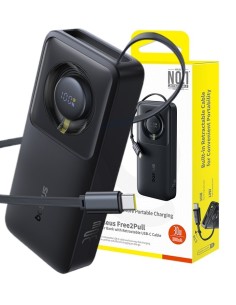
Best USB-C Cables for Fast Charging
USB-C has become the universal connector standard for modern electronics, replacing the era of device-specific charging cables and proprietary connectors. From smartphones and tablets to laptops and even some gaming consoles, USB-C compatibility has simplified the charging landscape dramatically. However, not all USB-C cables deliver equal performance, and choosing the right cable impacts charging speed, device safety, and overall user experience. A quality USB-C cable becomes indispensable in a world of rapidly multiplying corded devices, yet many users remain uncertain about what distinguishes premium cables from inferior alternatives.
The proliferation of USB-C devices means most people now own multiple cables scattered throughout their home, office, and travel bags. Instead of managing dozens of different connector types, a single USB-C standard accommodates virtually all modern devices. This standardization has driven innovation in cable design, materials, and functionality, leading to cables that handle extreme power levels while maintaining safety and durability. Understanding cable specifications and construction quality helps users select cables that deliver reliable performance without compromising device safety or longevity.
Understanding USB-C Cable Specifications
USB-C cables vary significantly in their power delivery capacity, data transfer speeds, and design construction. Power Delivery (PD) specifications indicate maximum wattage a cable can safely transmit, typically ranging from 60W to 240W in current models. A 60W cable suits smartphones and small tablets, while 100W or higher capacity cables support laptops and high-power devices. Matching cable specifications to your device requirements ensures optimal charging speed without risking equipment damage from inadequate power delivery. Baseus manufactures USB-C cables engineered to precise power specifications for different device categories.
Data transfer speeds remain important despite faster wireless solutions becoming more prevalent. High-speed USB 3.1 cables transfer files between devices significantly faster than older standards, which matters for professionals moving large video files, photos, or software builds. Some cables prioritize fast charging while maintaining standard USB 2.0 data speeds, suitable for users primarily charging devices rather than transferring files. Identifying which capabilities matter most to your workflow prevents overpaying for features you will not use or compromising on critical performance factors.
Cable Construction and Durability
Cable lifespan depends heavily on construction quality, material selection, and connector design. Premium cables feature braided nylon or reinforced fabric outer sheaths that resist fraying and kinks far better than basic plastic insulation. The connection points where cables meet connectors experience the most stress during daily use, repeatedly inserted and removed from device ports. High-quality cables reinforce these stress points with reinforced strain relief collars that distribute pressure across a wider area, dramatically extending usable lifespan. Materials also affect cable flexibility and usability, with stiffer cables being more durable while flexible cables integrate more easily into tight spaces and travel situations. Baseus uses premium materials and reinforced construction to ensure cables withstand years of daily use.
Internal conductor quality directly impacts charging efficiency and safety. Copper conductors with appropriate gauge ensure electrical resistance remains low, preventing power loss and heat generation during charging. Lower quality cables with inadequate conductor gauges waste energy as heat, which can damage both the cable and connected devices. Premium cables specify their AWG (American Wire Gauge) conductor size, demonstrating transparency about quality. Users who frequently charge devices overnight or during work sessions should invest in premium cables to prevent heat-related degradation and ensure consistent charging performance throughout the cable’s lifespan.
Charging Speed and Power Management
Modern fast-charging protocols require cables capable of transmitting high wattage safely without voltage drops. A quality cable maintains power delivery efficiency across its entire length, crucial when using longer cables or charging remotely located devices. Some advanced cables integrate additional safety components such as surge protection or intelligent power management chips that optimize power delivery based on connected device requirements. These features prevent device overcharging and battery damage, extending device lifespan beyond what basic cables provide. Baseus cables incorporate advanced power management technology protecting your valuable devices during charging.
Cable length impacts both charging speed and convenience. Shorter cables typically offer lower electrical resistance and faster charging times, while longer cables provide flexibility in placement and reach. A practical solution involves maintaining multiple cables of different lengths optimized for specific scenarios rather than forcing one cable to serve every situation. Desk cables can be longer to accommodate varied sitting positions, while travel cables prioritize compactness and portability. Understanding how cable length affects performance helps users maintain a practical cable inventory.
Compatibility and Safety Standards
Certified USB-C cables meet industry safety standards ensuring they will not damage connected devices through electrical faults or improper power delivery. Legitimate manufacturers undergo testing and maintain compliance with USB specifications and international electrical safety standards. Counterfeit cables, particularly from unknown sellers on online marketplaces, often bypass these safety certifications and create significant risk of device damage or even physical hazards. Purchasing from established retailers or directly from manufacturers eliminates risks associated with fake products. Baseus cables carry certification guarantees and authentic sourcing that protects your devices and investment.
Device compatibility remains straightforward with USB-C standardization, yet power delivery speeds vary based on device capabilities and charger specifications. A premium cable unlocks maximum charging speed when paired with compatible chargers and devices, while basic chargers will not utilize cable capabilities. Understanding your device’s maximum supported power delivery prevents purchasing cables exceeding your actual needs, though having higher-rated cables provides flexibility when upgrading devices in the future.
Practical Cable Management
An effective cable strategy involves maintaining different cable types and lengths for specific use cases. Home and office setups benefit from longer cables ranging from 6-10 feet that reach distant outlets or accommodate furniture arrangements. Travel and on-the-go use benefits from compact 3-6 foot cables that minimize packed volume while maintaining sufficient reach for typical usage patterns. Car charging and portable chargers pair well with shorter 2-3 foot cables that remain accessible without excessive cable bulk. This diversified approach costs more initially but ensures optimal cables for each scenario rather than compromising with a single multipurpose cable.
Cable organization prevents tangles and extends lifespan by reducing stress on connectors from repeated folding and kinking. Simple velcro cable ties or cord management boxes keep cables organized and easily accessible when needed. Taking thirty seconds to coil cables properly after use prevents knots that eventually damage internal conductors and connector alignment. Professional-grade cable management might seem excessive for personal use, yet spending minimal time on organization yields significant improvements in cable lifespan and functionality.
Long-Term Value and Replacement
Investing in premium USB-C cables delivers value across years of daily use compared to repeatedly replacing cheap cables that fail prematurely. A high-quality cable costing three times more than basic alternatives will likely outlast five or more cheaper cables, providing superior reliability and better device safety throughout. Warranties offered by premium manufacturers indicate confidence in product longevity and provide replacement options if defects emerge. Baseus offers warranty support for its cables, backing products with manufacturer confidence.
Selecting quality USB-C cables ultimately means committing to your device’s safety, charging efficiency, and long-term reliability. By prioritizing cable specifications, construction quality, and safety certifications, you will invest in accessories that deliver consistent performance and protect your valuable devices throughout their usable lifespan.