


Island Hopping Made Easy: Ferry Travel Tips
Island hopping represents one of travel’s most rewarding experiences, offering opportunities to explore diverse cultures, landscapes, and cuisines within a single vacation. Whether navigating Mediterranean archipelagos, Southeast Asian island chains, or Caribbean routes, ferry travel connects island destinations in ways that flights cannot match. Understanding ferry systems, booking processes, and travel logistics transforms what might seem complicated into a straightforward island exploration adventure. Modern ferry operators have invested heavily in passenger comfort, amenities, and scheduling reliability, making multi-island journeys more accessible than ever before.
The appeal of island hopping lies partially in the flexibility and immersion that ferry travel provides compared to flying. Traveling by sea allows passengers to gradually transition between destinations while enjoying scenic views and meeting fellow travelers. Ferries often dock in city centers rather than distant airports, eliminating long transfers and placing visitors immediately into local environments. This accessibility has made island hopping increasingly popular among travelers seeking more authentic experiences and efficient use of limited vacation time.
Planning Your Island Hopping Route
Successful island hopping begins with thoughtful route planning that balances geographic proximity, ferry schedules, and personal interests. Mapping islands within a manageable distance reduces travel time between stops and maximizes time spent exploring each destination. Some travelers prefer concentrating on a single region to minimize ferry transitions, while others enjoy the variety of hopping across diverse island chains spread across larger areas. Research ferry schedules months in advance for popular summer routes, as capacity fills quickly and prices increase as departure dates approach. FerryHopper provides comprehensive route planning tools and booking options for simplified island hopping organization.
Weather patterns significantly impact ferry availability and comfort throughout the year. Summer months typically offer daily service on most routes with reliable scheduling, while winter months may see reduced frequency or service cancellations during storms. Researching historical weather patterns and ferry operation calendars helps travelers select seasons when their desired routes operate reliably. Spring and autumn often provide ideal conditions with fewer summer crowds, moderate weather, and consistent ferry schedules.
Understanding Ferry Types and Amenities
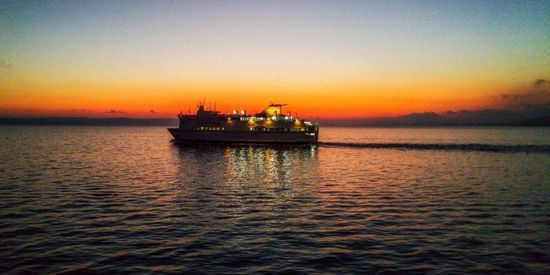
Modern ferries range from small local boats connecting nearby islands to large high-speed vessels serving major routes with hundreds of passengers. Smaller traditional ferries often provide more authentic local experiences and access to less touristed islands, though amenities may be basic. Large modern ferries typically feature restaurants, bars, shops, sleeping cabins, and observation decks, transforming the journey itself into part of the travel experience. High-speed ferries dramatically reduce travel time between distant islands but cost significantly more than traditional ferries and may offer fewer viewing opportunities. Choosing ferry types based on distance, budget, and personal comfort preferences optimizes each leg of your island hopping journey.
Cabin availability deserves consideration on longer routes, particularly overnight ferries covering substantial distances. Upgrading from standard deck seating to a private or shared cabin significantly improves overnight comfort and sleep quality. Some budget-conscious travelers sleep on deck under stars or in modest internal dormitory berths, which reduces costs while maintaining the adventure spirit. First-time island hoppers benefit from experiencing at least one overnight ferry journey to understand the differences and decide their preferences for future travel.
Ferry Booking Strategies and Costs
Booking ferries during low-demand periods typically offers lowest fares, with prices increasing substantially as travel dates approach. Flexibility regarding exact travel dates often enables significant savings, as departing mid-week or during shoulder seasons costs dramatically less than peak summer weekends. Ferry pass programs offered by operators covering multiple routes provide excellent value for travelers planning extensive island hopping, though these require advance planning and specific route matching. FerryHopper’s platform streamlines booking across multiple operators, comparing prices and schedules to identify optimal routes.
Booking directly through ferry operator websites versus consolidators like FerryHopper involves different trade-offs. Direct operator websites occasionally offer lower prices and more frequent schedule updates, while booking platforms provide convenient comparison across multiple operators, unified customer support, and simplified multi-leg booking. Many experienced island hoppers use comparison platforms for initial research, then book directly with operators when significant price differences appear.
Packing and Practical Considerations
Island hopping travel requires different packing approaches compared to traditional vacations at single destinations. Lightweight luggage becomes essential when transferring between ferries and island accommodations frequently throughout your journey. Minimalist packing allows easier movement between islands and accommodates variable weather encountered across different islands within a single region. Many travelers wear quick-dry clothing suitable for ferry decks and swimming, reducing total luggage while maintaining functionality.
Travel documents deserve careful attention, particularly when island hopping across different countries. EU island hoppers enjoy seamless travel without border checks, while travelers hopping between different nations should verify visa requirements and maintain passports readily accessible. Ferry operators increasingly require advance passenger information for security purposes, which can be submitted during booking or at check-in. Downloading offline maps of islands prevents navigation challenges when cellular service proves unreliable, and researching each island’s transportation infrastructure helps plan ground travel between ferry docks and accommodations.
Maximizing Island Experiences While Minimizing Ferry Time

Strategic scheduling allows extensive exploration while minimizing non-productive ferry time. Overnight ferries maximize daylight exploration hours, arriving at new islands ready for morning activities rather than arriving mid-afternoon after consuming valuable exploration time on travel. Some travelers dedicate one rest day per week to simply relaxing on an island rather than immediately departing for the next destination, which reduces ferry time frequency while preventing travel fatigue. Building recovery days into island hopping itineraries improves overall enjoyment and prevents the rushed feeling that too-frequent movement can create. FerryHopper’s planning tools help identify optimal ferry schedules balancing movement between islands with adequate exploration time.
Connecting with local communities and learning about each island’s unique character enriches island hopping experiences far beyond surface tourism. Visiting markets, chatting with locals, and exploring beyond typical tourist areas reveals authentic island life and creates memorable interactions. Some travelers extend successful island experiences by returning on future trips, transforming quick stops into deeper explorations developed over multiple visits.
Safety and Health Considerations
Island hopping generally presents minimal health and safety concerns with standard travel precautions. Most developed island destinations offer excellent medical facilities comparable to home countries, though remote islands may require ferry travel to reach major hospitals. Travel insurance covering evacuation proves valuable on trips involving remote island exploration. Seasickness affects some travelers on longer ferry routes, with prevention through medication, ginger supplements, or acupressure bands available for those susceptible to motion sickness.
Sea safety remains a minor concern with modern ferries meeting rigorous international maritime standards. Life jackets are provided, and crew conduct safety drills on longer journeys. Checking that ferries meet international safety standards provides peace of mind, though statistically ferry travel remains exceptionally safe compared to other transportation modes. FerryHopper operates through established ferry operators maintaining strict safety and operational standards.
Island hopping transforms vacations into multi-destination adventures combining travel, exploration, and local discovery. By understanding ferry systems, planning thoughtfully, and remaining flexible to unexpected opportunities, travelers create extraordinary journeys through island regions that reveal diverse cultures, stunning landscapes, and rewarding human connections.