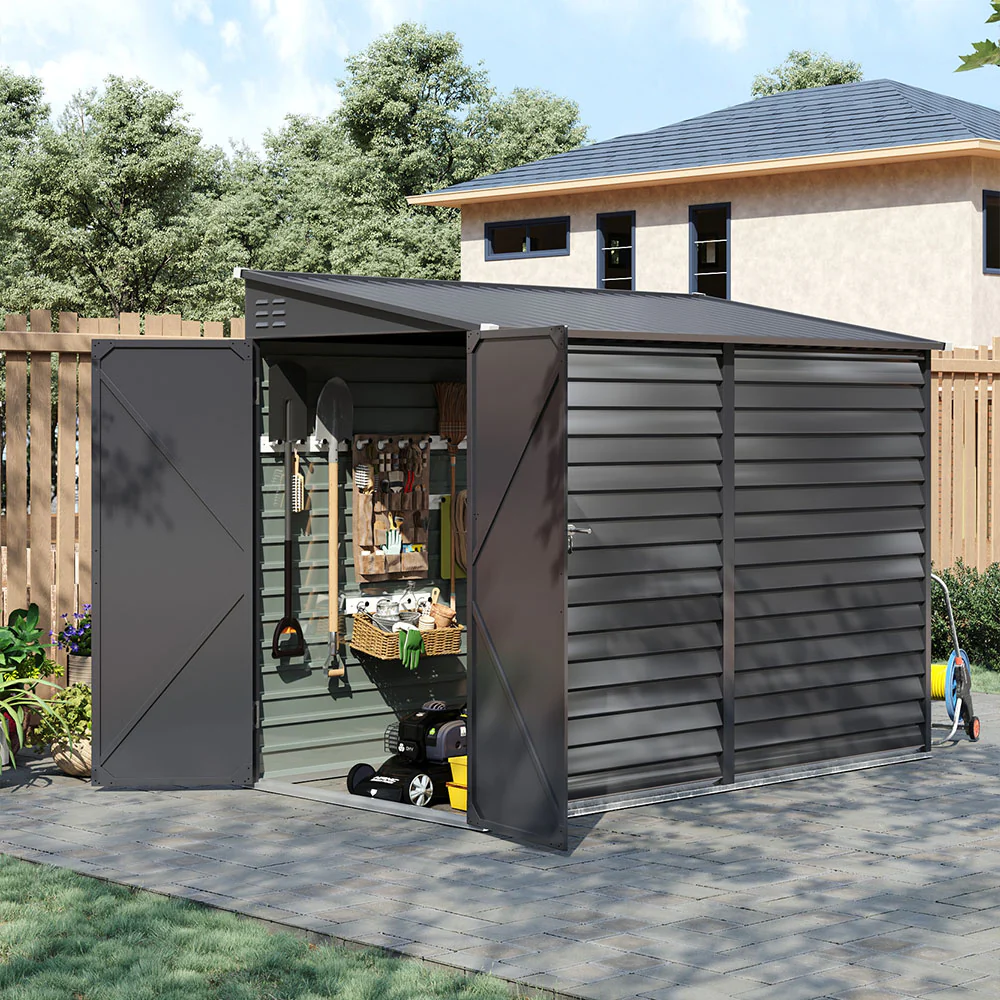
Creating Your Own Garden Sanctuary: Transform Your Outdoor Space Into a Peaceful Retreat
In our fast-paced world filled with constant demands and digital distractions, the desire to create a personal sanctuary has never been stronger. Your garden holds remarkable potential to become that sacred space—a place where stress melts away, nature soothes your soul, and you reconnect with what truly matters. A garden sanctuary isn’t about achieving magazine-perfect landscaping; it’s about crafting a space that reflects your personality, meets your needs, and invites genuine relaxation. Whether you have a sprawling backyard or a small balcony, the principles of creating a restorative outdoor environment apply universally. When you invest time and intention into your garden, you’re investing in your mental health, well-being, and daily quality of life.
Understanding the Elements of a Restorative Garden
Effective garden sanctuaries combine several key elements that work together to create peaceful, inviting spaces. Water features—fountains, ponds, birdbaths—provide soothing sounds and visual interest that draw your attention away from worries. Greenery offers natural color, oxygen production, and a living connection to nature. Comfortable seating positioned thoughtfully allows genuine relaxation. Soft lighting extends garden enjoyment into evening hours. Fragrant plants engage your senses and create deeper connection to your space. Garden Sanctuary resources help you understand how each element contributes to overall sanctuary feeling, allowing strategic choices that maximize your space’s restorative potential. The combination of these elements creates an environment greater than the sum of individual parts.
Designing for Your Lifestyle and Needs
Your sanctuary should support how you actually use your garden. If you entertain, design spaces for gathering and conversation. If you seek solitude, create intimate nooks for reflection. If you garden as therapy, ensure adequate space for planting and tending. Parent families might prioritize safe play areas. Designers often make the mistake of creating beautiful spaces that don’t actually serve their residents’ real needs. Personalized garden design starts by understanding your lifestyle, then creating spaces supporting those genuine needs rather than design trends. Your sanctuary is worthless if it doesn’t serve how you actually live and what you genuinely need.
Incorporating Water Features Thoughtfully
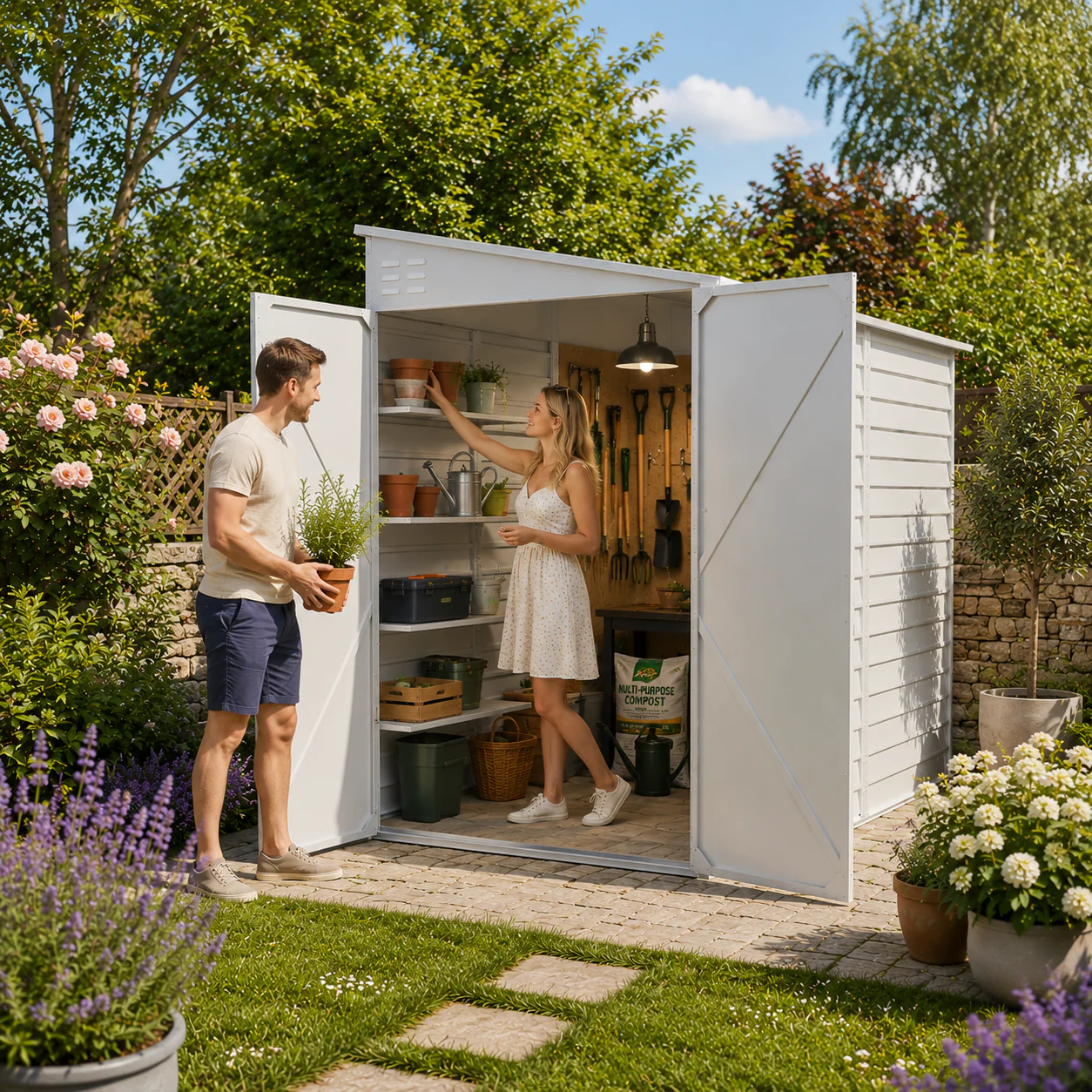
Water brings life, movement, and sound to gardens in ways few other elements can. Even modest water features—a small fountain, bird bath, or rain barrel—add considerable appeal. The gentle sound of water masks urban noise, creating acoustic sanctuary alongside visual beauty. Moving water attracts birds and wildlife, enriching your garden’s ecosystem and your connection to nature. Still water surfaces reflect sky and vegetation, expanding perceived space. Water feature options range from simple to elaborate, allowing choices fitting any space and budget. A small water element transforms garden atmosphere far beyond what you might expect from its size.
Selecting Plants for Sensory Richness
Plants extend sanctuary appeal far beyond visual beauty into taste, scent, and tactile experience. Fragrant plants—lavender, jasmine, roses—create sensory immersion that calms nervous systems. Herbs offer culinary reward alongside visual interest. Soft-textured plants like ornamental grasses invite gentle touch. Blooming plants provide seasonal rhythm and color variation. Native plants support local ecosystems while requiring less maintenance. Rather than focusing solely on aesthetic appearance, thoughtful plant selection engages multiple senses, creating deeper garden connection. The scent of plants can transport you emotionally, creating feelings of peace and contentment simply through olfactory response.
Creating Comfortable Outdoor Living Spaces
A garden sanctuary without comfortable seating misses its essential purpose—inviting you to actually sit and enjoy. Quality outdoor furniture positioned to take advantage of pleasant views, shade, or sun encourages genuine relaxation. Consider seating serving different purposes—a cushioned lounge for reading, a bench for quiet reflection, a table for outdoor dining. Shelter from elements—pergolas providing dappled shade or structures offering weather protection—extends garden usability throughout seasons. Quality outdoor furnishings transform gardens from beautiful backdrops into functional living spaces supporting actual relaxation and enjoyment. Without comfortable places to sit, your garden becomes museum rather than living space.
Lighting for Extended Garden Enjoyment
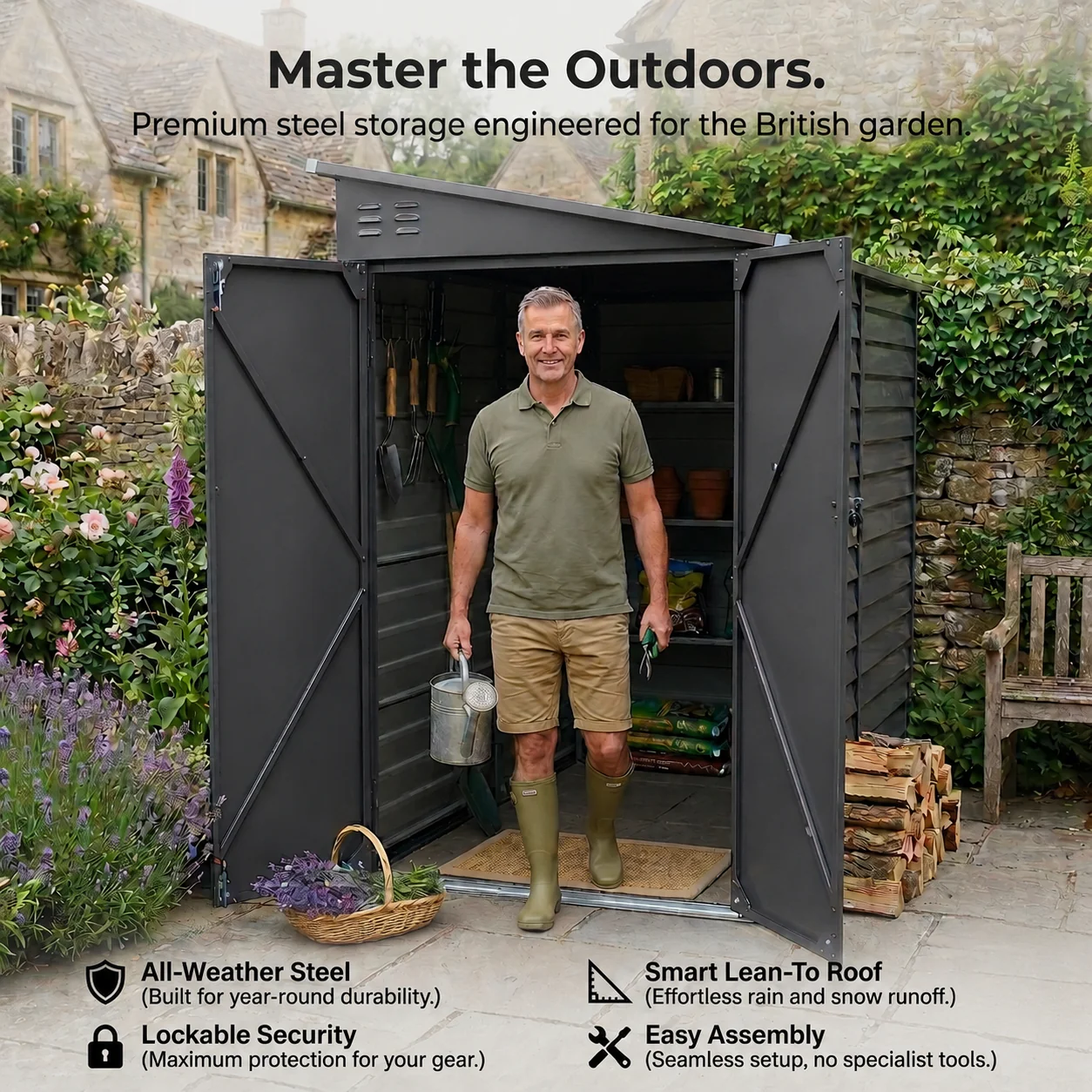
Strategic lighting expands garden sanctuary use into evening hours while creating magical ambiance. Soft pathway lighting provides safety while guiding movement through your space. Accent lighting highlighting special features creates visual drama. String lights overhead create cozy atmosphere for entertaining or evening relaxation. Solar lights offer easy installation without electrical work. Avoiding harsh, overly bright lighting preserves the peaceful atmosphere sanctuary gardens require. Evening garden time becomes special ritual when lighting creates ambiance supporting relaxation rather than stark visibility.
Maintenance Considerations for Sustainable Sanctuary
High-maintenance gardens create stress rather than relief. Designing your sanctuary with maintenance reality in mind ensures it remains enjoyable long-term. Drought-tolerant plants reduce watering demands. Mulching minimizes weeding. Selecting plants sized appropriately for their spaces prevents constant pruning. Grouping plants with similar water needs simplifies care. Sustainable garden practices create beautiful, low-stress spaces supporting your well-being rather than creating burden. Your garden should enhance your life, not become another obligation consuming your limited time and energy.
Starting Your Garden Sanctuary Journey
Creating your sanctuary doesn’t require starting everything simultaneously. Begin with one element—perhaps comfortable seating in a quiet corner. Add water feature or plant fragrant flowers. Let your garden grow gradually as your vision clarifies. This incremental approach prevents overwhelm while allowing your sanctuary to evolve matching your changing needs. Each addition brings you closer to your ideal restorative space.
- Combine water, greenery, seating, and lighting for restorative environment.
- Design spaces supporting your actual lifestyle and how you use gardens.
- Incorporate water features for sensory appeal and wildlife attraction.
- Select plants engaging multiple senses beyond visual appearance.
- Invest in comfortable outdoor furnishings supporting genuine relaxation.
- Use strategic lighting extending garden enjoyment into evenings.
- Prioritize sustainable maintenance enabling long-term enjoyment.
Your garden sanctuary awaits. Garden Sanctuary provides inspiration and guidance for transforming your outdoor space into the peaceful retreat you deserve. Begin where you are, with what you have, and watch your personal sanctuary grow into a space enriching your life daily.