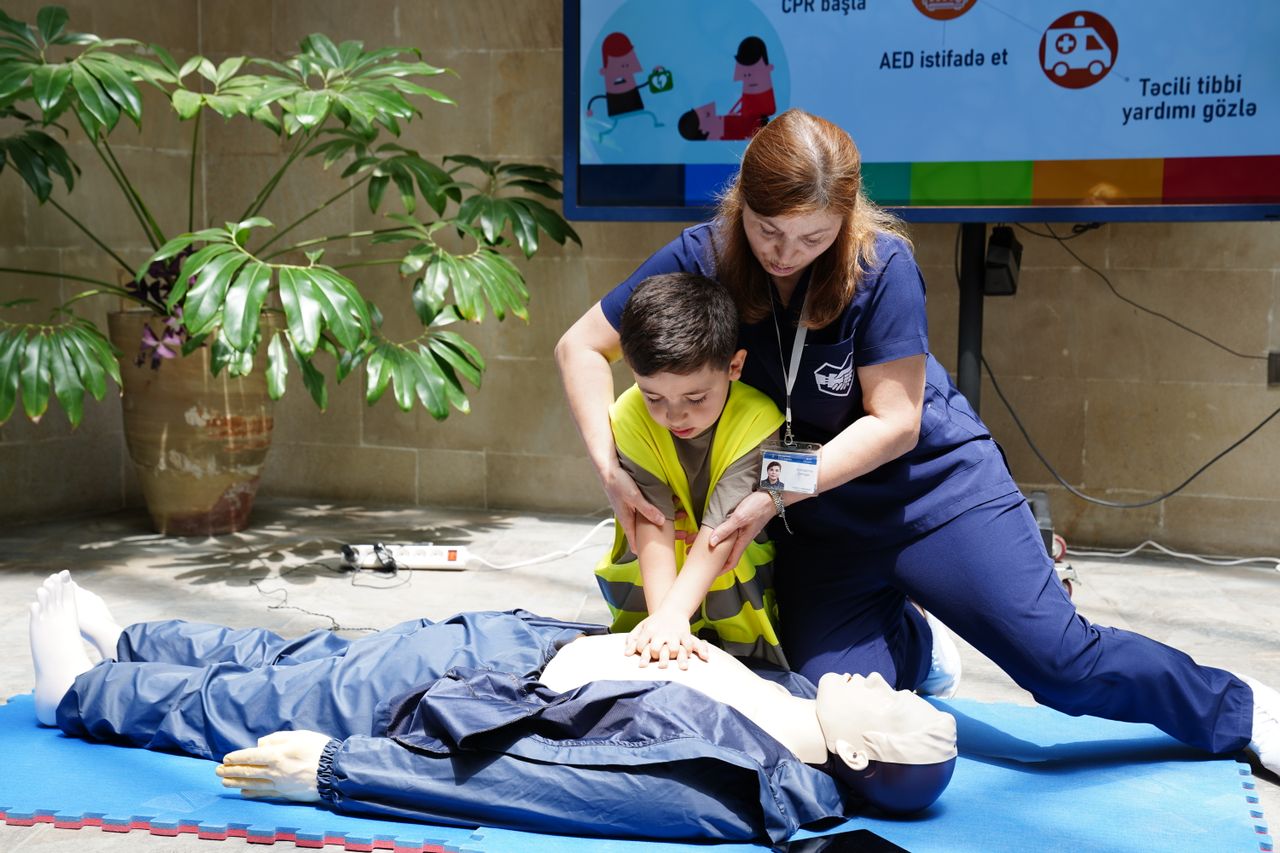
Pediatric CPR: Why Every Parent and Caregiver Needs This Potentially Lifesaving Knowledge
The phone call every parent dreads. Your child stops breathing. Their face turns blue. Your mind goes blank, and panic sets in. In that horrifying moment, you desperately wish you knew what to do. Pediatric cardiac arrest happens more often than most parents realize, approximately 7,000 children suffer cardiac arrest outside of hospitals each year in the United States. The causes vary: choking, drowning, trauma, respiratory illness, or sudden unexpected nocturnal death syndrome. Unlike adult cardiac arrest, which is primarily a heart problem, pediatric arrest is usually a respiratory problem. This distinction matters because it means the approach to CPR is different. Standard adult CPR won’t work on children. The compressions need to be gentler. The rescue breaths are essential, not optional. The techniques are specifically adapted for smaller bodies and developing systems. CPR AED Course offers pediatric-specific training that teaches parents exactly how to adapt lifesaving techniques for children and infants, transforming panic into capable action.
Here’s what keeps pediatric experts up at night: most parents have never received pediatric CPR training. They assume that if they learned adult CPR, they can apply it to children. This assumption is dangerously wrong. Adult CPR is too forceful for a child’s body. Adult hand placement doesn’t match a child’s anatomy. Adult rescue breathing ratios are incorrect for children. An untrained parent performing adult CPR on a choking or drowning child might actually cause more harm than good. But here’s the encouraging part: pediatric CPR is learnable. It’s not complicated. The fundamental principles remain the same, keep blood flowing, keep oxygen moving. The details are simply adapted. With just a few hours of training, any parent or caregiver can become equipped to handle their worst nightmare scenario. CPR AED Course specifically teaches these pediatric adaptations, empowering caregivers with knowledge that could mean the difference between recovery and tragedy.
Understanding the Differences: Why Pediatric CPR Isn’t Adult CPR
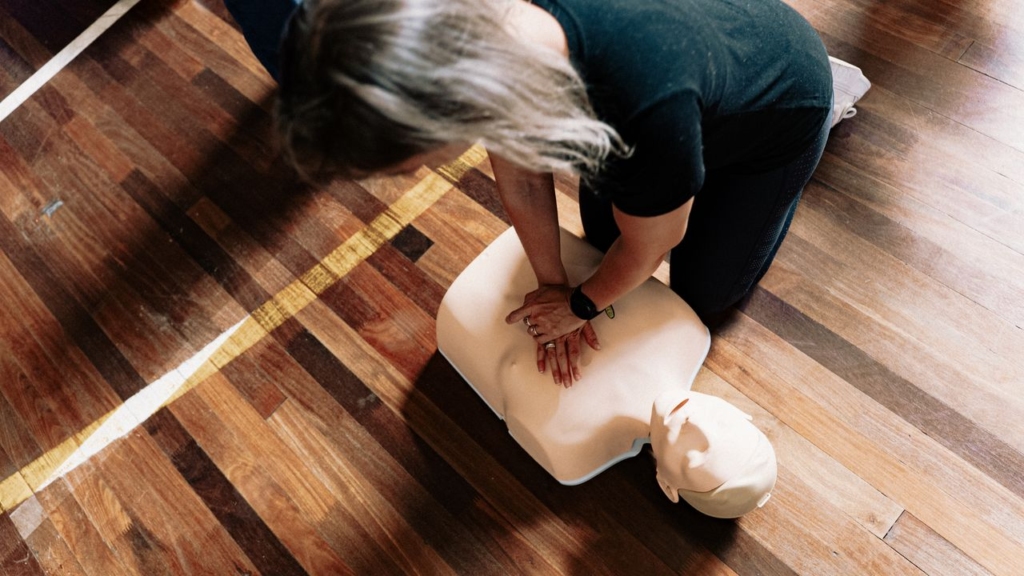
The pediatric body is fundamentally different from an adult body, and CPR technique must reflect these differences. First, compression depth: adults need compressions to a depth of 2 to 2.4 inches, but children need only 2 inches or about one-third of their chest depth. Pushing harder can crack ribs and cause internal injuries. Hand placement differs because a child’s heart sits higher in the chest cavity than an adult’s. For infants under one year, you use two fingers for compressions. For children one to eight years, you use one hand. For children over eight, adult technique applies. Rescue breathing ratios differ too. Adult CPR recommends 30 compressions followed by 2 rescue breaths. Pediatric CPR often uses 15 compressions followed by 2 breaths for a single rescuer, creating a more balanced ratio. This matters because children’s brains are more sensitive to oxygen deprivation. The airway is positioned differently, a child’s airway is more anterior (forward-facing), so head positioning during rescue breaths must be adjusted. These seemingly small differences are actually critical. Performing adult CPR on a child is not just ineffective; it can be harmful.
Choking in Children: Prevention and Response
Choking is one of the leading causes of unintentional injury death in young children, yet it’s often preventable with knowledge. Certain foods are particularly hazardous: peanuts, popcorn, grapes, hot dogs, and hard candies top the list. Young children lack the molars necessary for proper chewing and the judgment about bite size. They get distracted while eating and sometimes aspirate food instead of swallowing it. Recognizing choking versus gagging is the first critical distinction. Gagging is the body’s protective mechanism, the child might cough, make sounds, and potentially dislodge the object on their own. Choking is a silent emergency. The child cannot cough or cry because the airway is completely obstructed. In this situation, the Heimlich maneuver adapted for children, or back blows and chest thrusts for infants, becomes essential. CPR AED Course training covers these techniques with hands-on practice, building your confidence for the moment you hope never comes.
Drowning: The Silent Killer
Drowning happens faster and quieter than most people imagine. A child doesn’t thrash dramatically and call for help. Drowning is often silent. The child slips underwater, inhales water, and loses consciousness within minutes. By the time a bystander realizes something is wrong, precious minutes have passed. This is why vigilant supervision is the primary drowning prevention strategy. But when prevention fails, CPR knowledge becomes critical. A child rescued from water needs immediate CPR. Water that has entered the lungs doesn’t need to be removed, it transfers rapidly into the bloodstream. The focus is on restoring breathing and oxygenation. Waterlogged lungs don’t respond to rescue breaths as normal lungs do, but persisting with proper technique is still essential. Many children who appeared lifeless after drowning have recovered completely with immediate, aggressive CPR and professional medical intervention. The window for recovery is small, perhaps minutes, but it exists.
Infant CPR: The Tiniest Patients Need Special Attention
Infants under one year require completely different CPR technique than older children. For an infant, two fingers from one hand deliver compressions. The compression location is the lower half of the breastbone, just below the nipple line. The compression depth is roughly one-third of the infant’s chest depth, approximately 1.5 inches. The compression rate remains 100-120 compressions per minute, maintaining the same rhythm as adult CPR. Rescue breaths for infants require covering both the nose and mouth with your mouth, unlike older children where you seal only the mouth. The breath volume is much smaller, just enough to see the chest rise. Too much volume can distend the infant’s stomach, causing vomiting and aspiration. Infants can deteriorate rapidly from respiratory problems, making knowledge of infant-specific CPR potentially lifesaving.
Building Confidence Through Practice
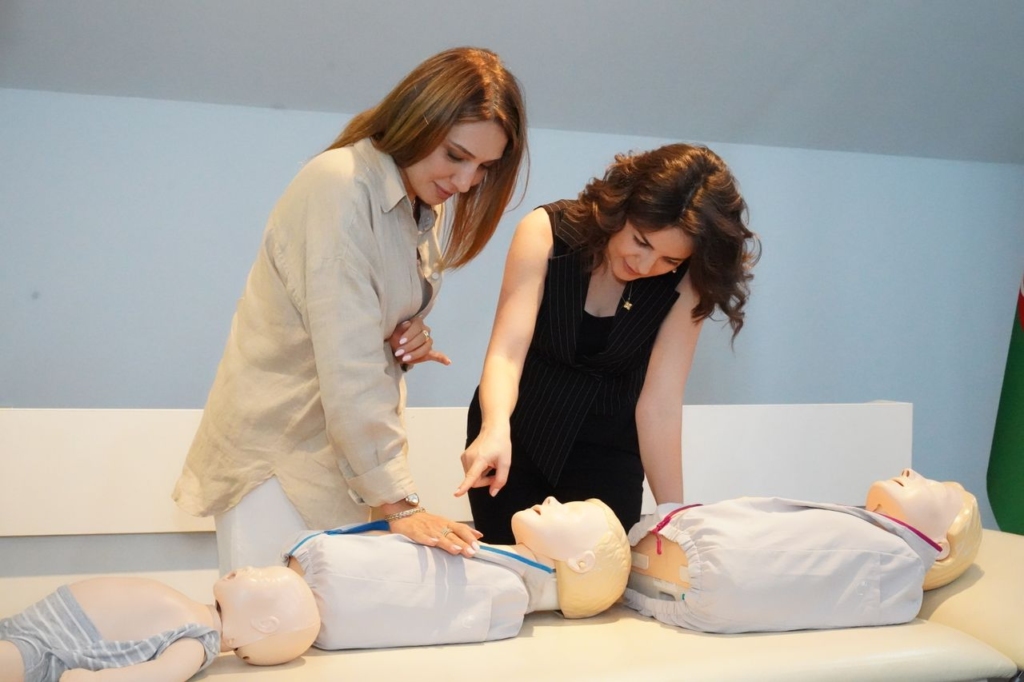
One reason pediatric CPR training is so valuable is that it builds confidence through practice. You’ll spend hands-on time with pediatric mannequins, practicing compression depth and rate on realistically sized bodies. You’ll practice rescue breaths on child-sized faces. You’ll rehearse the decision-making process: Is the child responsive? Is she breathing? Do I need to call 911 first or start CPR immediately? (The answer: for unresponsive children, call 911 first, then start CPR, unless you’re alone with an infant, then do CPR for two minutes before calling.) This muscle memory and decision clarity mean that if an emergency happens, you won’t freeze. You’ll move through the steps automatically, allowing your cognitive resources to focus on calling for help and other critical actions.
When to Use AED on Children
Automated external defibrillators are incredibly valuable for children, but some adaptations exist. For children one to eight years old, pediatric pads should be used if available. If only adult pads exist, they can be used, place one on the upper right chest and one on the lower left ribs, ensuring they don’t touch each other. For children under one year, AEDs are generally not recommended unless no other option exists. Understanding when and how to use AED technology on children completes the comprehensive pediatric emergency response toolkit.