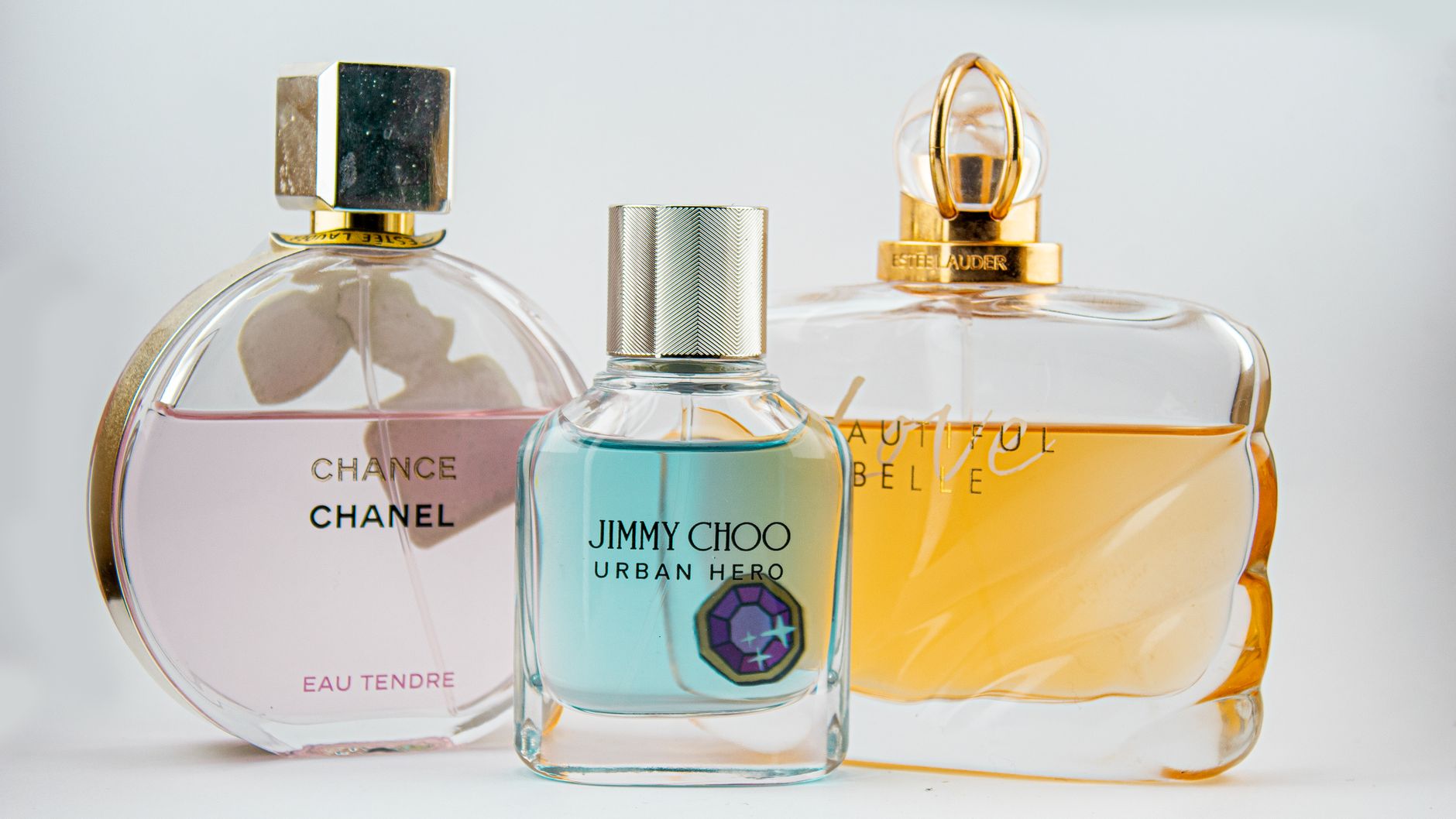
Find Your Signature Scent: A Beginner’s Guide to Choosing Fragrances That Match Your Personality
Fragrance is personal. It’s one of the few things you select purely for yourself, not for others. Yet most people wear fragrance reactively—they smell something appealing at a store and buy it without understanding what they’re actually choosing. They end up with bottles they like initially but grow tired of, or fragrances that don’t suit them long-term. This approach wastes money and leaves you never quite satisfied with your scent. Finding your signature fragrance is different. It requires understanding fragrance families, knowing what your preferences are, and trying scents thoughtfully before committing to a full bottle. Once you find your signature scent, something shifts. You feel more confident. You’re happy with your choice. You wear it consistently because it genuinely suits you. Marionnaud provides expert guidance and a vast selection of fragrances to help you discover scents that truly match your personality and preferences.
The first step in finding your signature fragrance is understanding fragrance families. Fragrances fall into recognizable categories based on their dominant characteristics. Floral fragrances feature flower-derived ingredients and range from light and airy (white florals like gardenia and tuberose) to heavy and romantic (rose and jasmine). Fresh fragrances include citrus, aquatic, and green notes—they feel clean and energizing. Oriental fragrances are warm and sensual, featuring amber, vanilla, and exotic spices—they’re often evening-appropriate and seductive. Woody fragrances center on sandalwood, cedar, or vetiver, creating earthy, grounding scents. Fruity fragrances feature realistic or stylized fruit notes. Aromatic fragrances blend herbs and spices for a warm, slightly masculine character. Understanding these families helps you navigate options. Rather than randomly sampling 50 fragrances, you can identify which family appeals to you, then explore options within that family. This focused approach is far more efficient and increases your chances of finding something you genuinely love. Marionnaud’s knowledgeable team can guide you through fragrance families and help identify which suits your personality.
The Science of Scent Perception

Fragrance perception is more complex than simply smelling something nice. Fragrances develop in three layers called notes. Top notes are the first impression—what you smell immediately when applying. They’re volatile and fade within 5-15 minutes. Top notes are typically light, fresh, and often citrusy. Heart notes (also called middle notes) emerge as top notes fade and last 30 minutes to several hours. Heart notes form the body of the fragrance and often feature florals or fruitiness. Base notes are the foundation that emerges last and lasts longest—often 4-8 hours or more. Base notes are typically warm, sensual, and grounding, featuring woody, amber, vanilla, or musk ingredients. The entire fragrance experience is a journey through these layers. A fragrance you smell in-store and love based on top notes might feel completely different on your skin after those top notes fade and heart and base notes emerge. This is why you should always test fragrances on your skin and wait at least 15 minutes before deciding. You need to experience the entire arc, not just the initial impression.
Personal Preference and Longevity
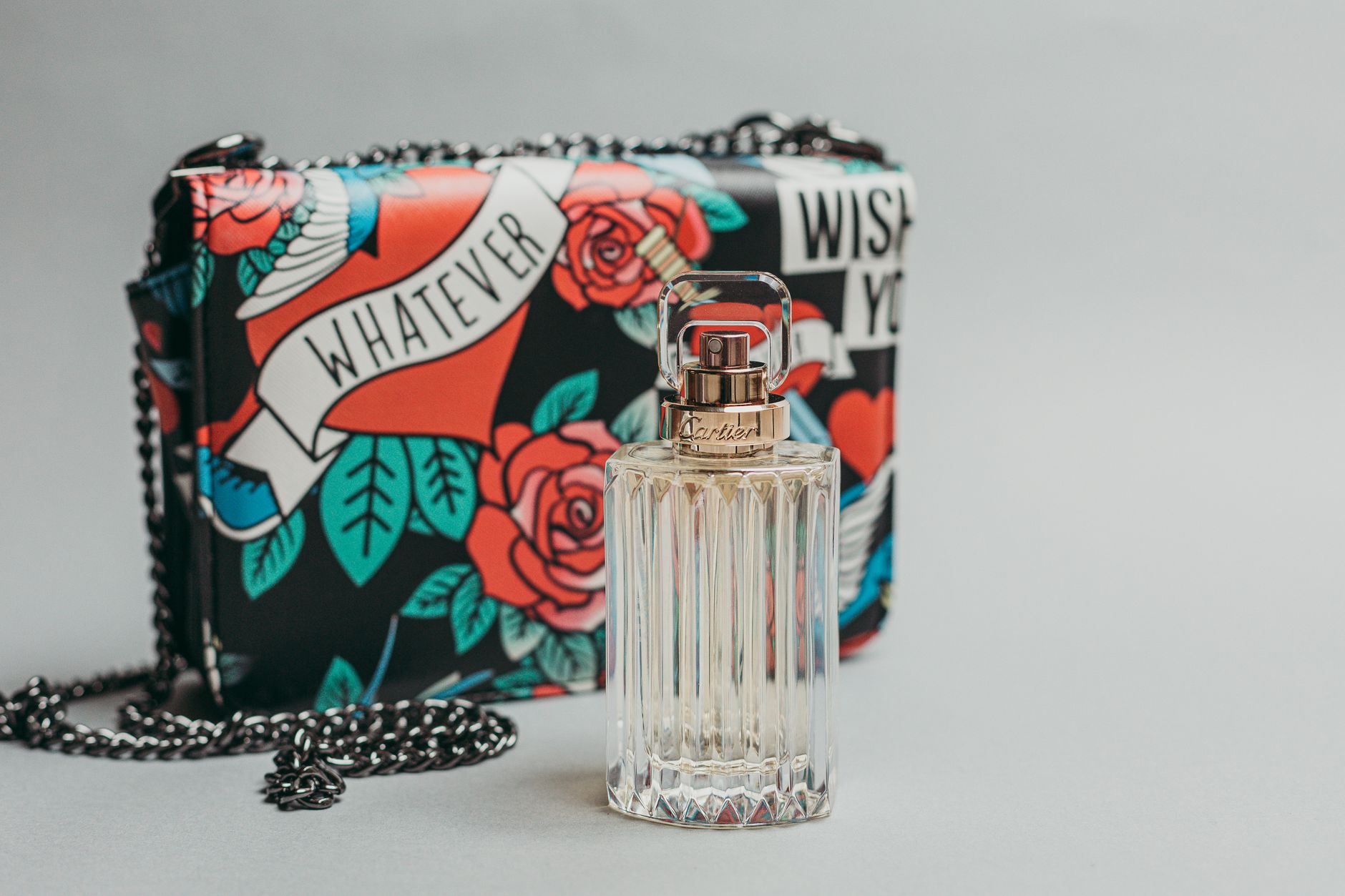

Fragrance longevity matters—there’s no point loving a scent that disappears within an hour. Eau de Toilette typically lasts 2-4 hours. Eau de Parfum lasts 4-8 hours or more and is more concentrated. Parfum (also called Perfume or Extrait) is the most concentrated and longest-lasting, often 6-12 hours. Parfum is more expensive but offers better value per wear since you need less and it lasts longer. For your signature scent, Eau de Parfum offers the best balance of longevity, intensity, and value. Personal preference matters enormously. You might prefer light, fresh fragrances that don’t project strongly versus bold, intense scents that announce your presence. You might prefer sweet fragrances versus spicy ones. You might love fragrances that smell like you (as if you’re naturally scented that way) versus fragrances that smell like fragrance (obviously perfumed). There’s no objective best—just what works for you. The key is being honest about your preferences rather than forcing yourself to like something that’s trendy or critically acclaimed. A fragrance you genuinely love but doesn’t match current trends is infinitely better than a famous fragrance you tolerate.
Building Your Fragrance Wardrobe

Once you discover fragrances you love, you might want to explore building a small wardrobe rather than sticking to a single signature scent. A light, fresh fragrance works beautifully for daytime or warm weather. A richer, warmer fragrance serves evening or winter better. A floral might suit romantic occasions while a fresh scent works for professional settings. This approach lets you express different facets of yourself through scent depending on context and season. However, start with finding one signature scent you love. Once you master that, expanding your collection becomes easier. Building a fragrance wardrobe without having a strong foundation often results in multiple bottles you don’t wear consistently.
Testing and Commitment
Never buy a full bottle of fragrance you haven’t tested extensively. Purchase samples or test at the store multiple times across different days. Notice how it smells on your skin versus on paper. Notice how you feel wearing it—confident? Seductive? Fresh? Grounded? The fragrance should feel like an extension of you, not something you’re wearing. Once you find that feeling, the full bottle becomes a worthwhile investment.
Discover Your Signature Scent
The perfect fragrance is waiting—one that matches your personality, expresses your style, and makes you feel genuinely confident. Marionnaud has the expertise and selection to help you find it.