

Seasonal Shoe Guide: Building Your Perfect Collection for Every Weather
A well-planned shoe collection adapts to seasonal changes while maintaining consistent personal style across the year. Rather than reactive shopping that results in last-minute purchases when seasons shift, proactive seasonal planning ensures you always have appropriate footwear that feels both comfortable and stylish. Understanding how different shoe styles, materials, and colours work with seasonal clothing and weather conditions helps you build a cohesive wardrobe where every pair serves genuine purposes. Seasonally curated footwear collections guide you toward pieces that work within your personal aesthetic while meeting practical demands of each season.
Spring Footwear Essentials
Spring represents transition from winter’s heaviness toward lighter, brighter aesthetics. Your spring shoe collection should bridge this shift with fresh colours and breathable materials without losing warmth entirely. Lightweight canvas trainers in pastels or white provide casual comfort while feeling appropriately seasonal. Ballet flats in leather or suede work with both dresses and trousers, offering feminine grace without summer’s exposure. Loafers in warm neutrals transition beautifully from professional environments to weekend casual wear. Ankle boots in lighter materials or pastel tones continue working from winter into spring without feeling too heavy. Open-toed sandals in woven or leather materials preview summer while remaining practical for cool spring days. Spring shoe selections prioritise breathability and lighter palettes while maintaining the versatility necessary for unpredictable seasonal weather.
Summer Shoe Strategy
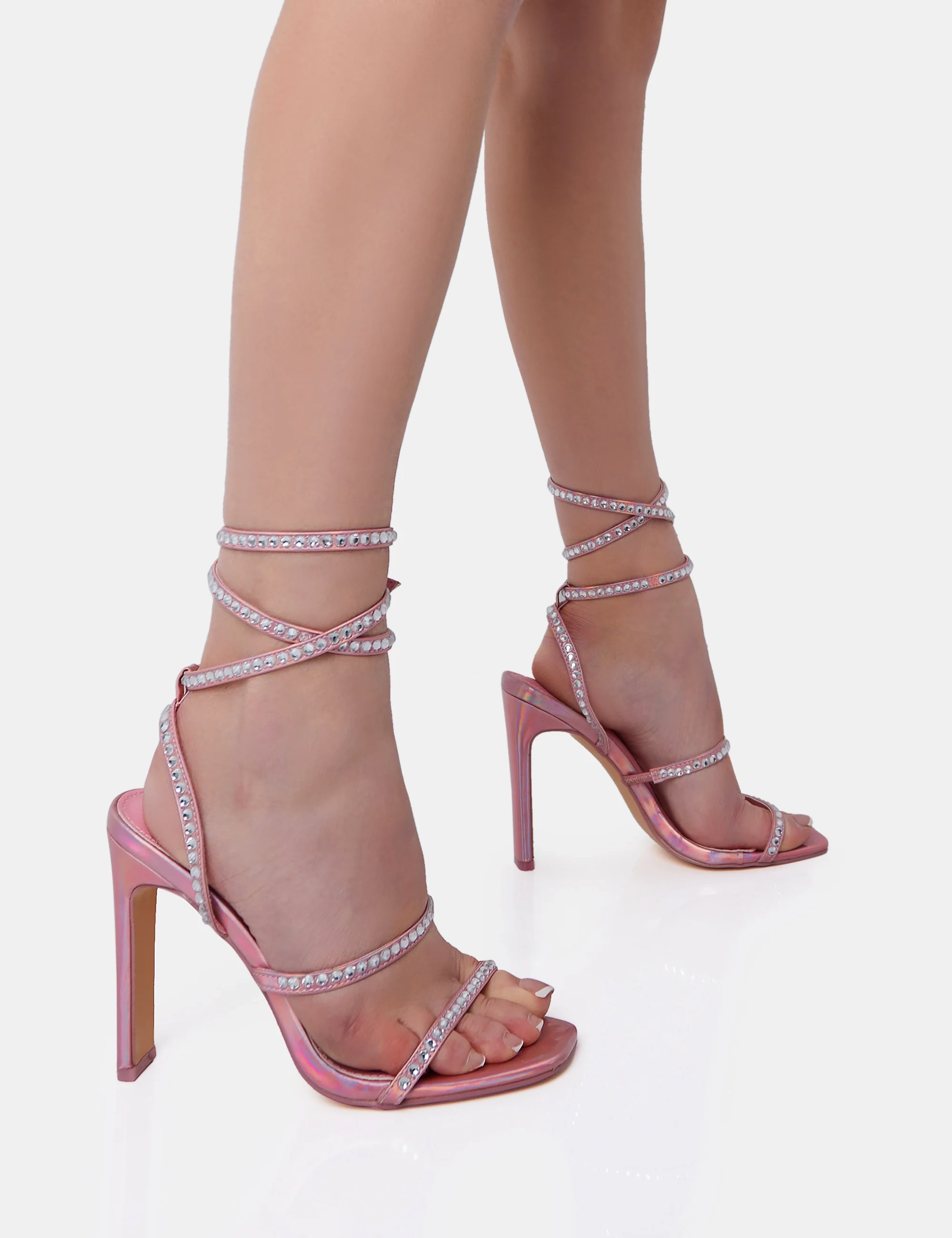
Summer allows maximum skin exposure and breathability, shifting focus toward lightweight materials and open designs. Flat sandals in leather or metallic finishes work everywhere from beach settings to casual dates. Strappy heeled sandals dress up summer dresses and shorts for evening occasions. White or neutral trainers remain summer staples, pairing with everything and providing comfortable all-day wear. Woven slip-ons or espadrilles add texture and warmth of tone while remaining cool. Metallic flip-flops or slides offer casual comfort with subtle style. Lightweight materialscanvas, linen, leather, and breathable synthetics become essential as closed shoes feel suffocating in heat. Summer footwear options embrace breathability and lightness while offering styles versatile enough to work across casual and dressier occasions throughout the season.
Autumn Shoe Transitions
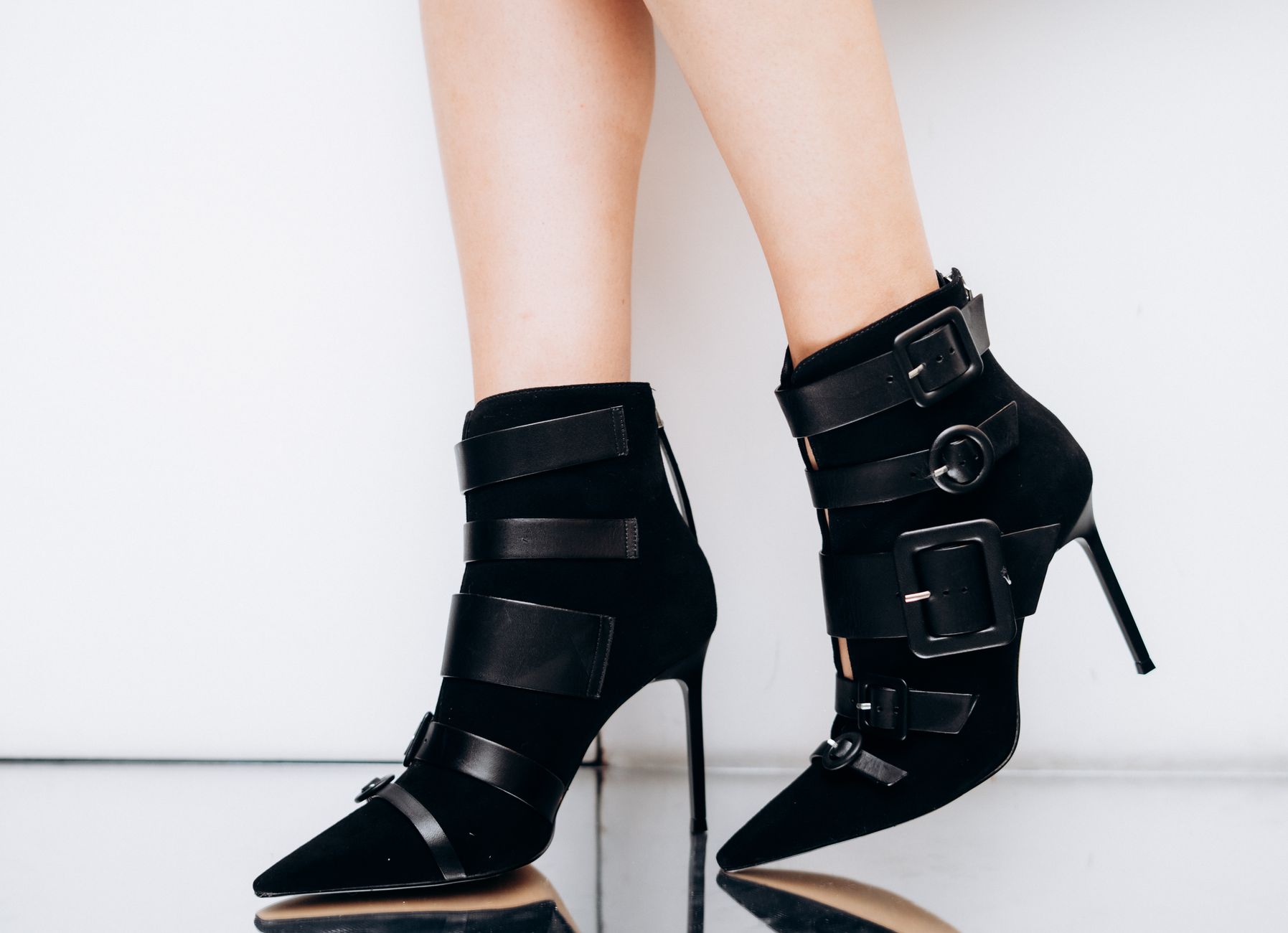
Autumn invites richer colours, warmer tones, and more substantial materials as you layer heavier clothing. Suede becomes a seasonal material staple, working in brown, burgundy, and deeper neutrals that complement autumn palettes. Ankle boots reappear as foundational pieces, now in richer colours and textures paired with thicker socks. Loafers in dark leather offer professional polish while suiting autumn aesthetic. Trainers in deeper tones forest green, navy, burgundy, deep grey replace spring and summer brights. Woven or textured materials add visual interest while suggesting seasonal warmth. Closed-toe shoes become the default, with sandals reserved for unexpectedly warm days. Autumn shoe collections emphasise colour depth, material texture, and pieces that work with layered autumn clothing and cooler temperatures.
Winter Footwear Requirements
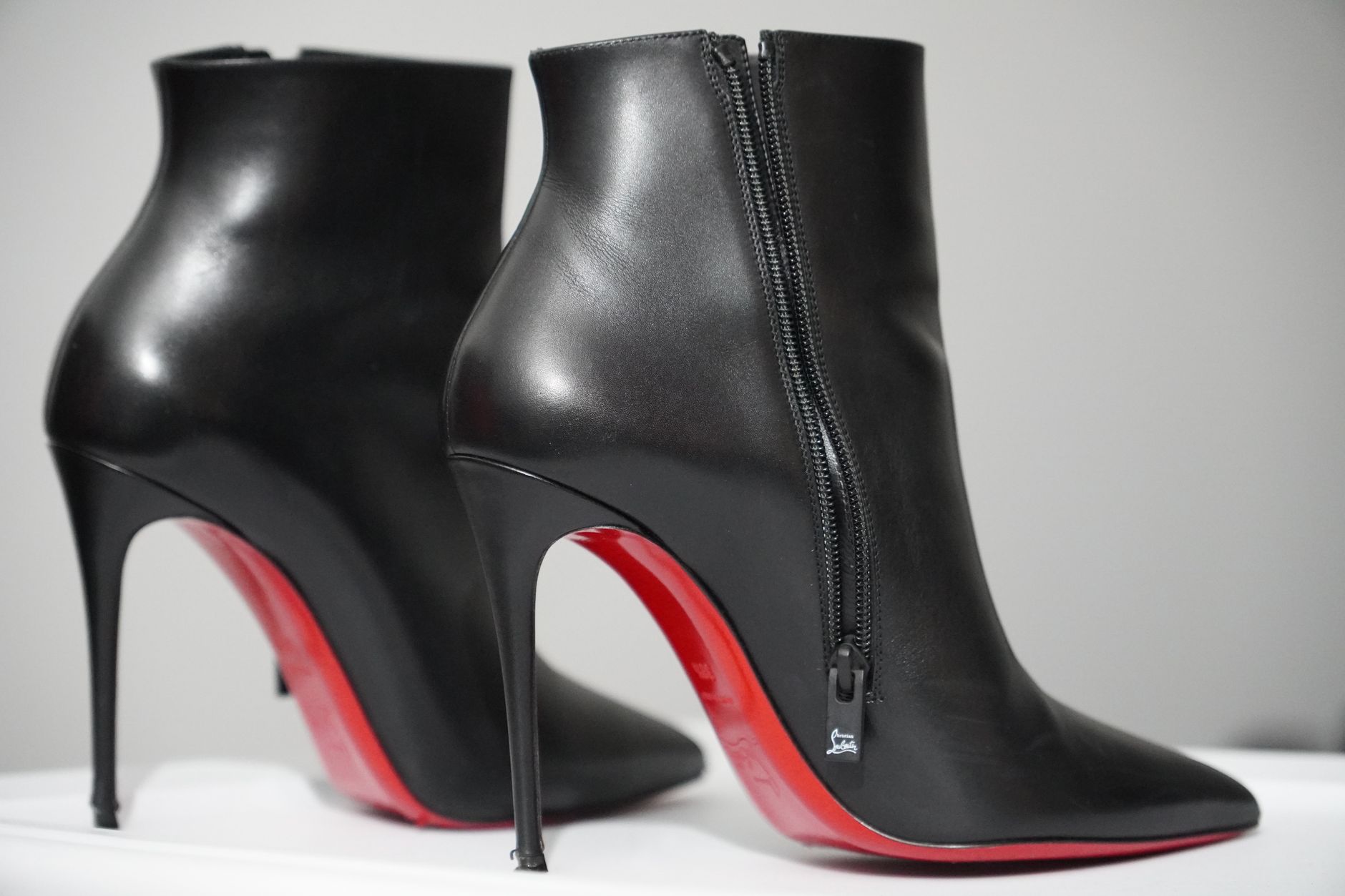
Winter demands both style and practicality as weather becomes serious and clothing layers dramatically increase. Insulated or lined boots become non-negotiable, offering warmth without sacrificing professional or casual style. Waterproof materials protect against snow and slush while maintaining appearance. Darker colours black, brown, deep grey, burgundy work with winter’s heavier palette and hide dirt better than lighter shades. Chunky soles and slip-resistant treads provide safety on icy surfaces. Fleece or wool linings add comfort during extended outdoor time. Ankle boots work as workhorses, pairing with everything from professional trousers to casual jeans and dresses over tights. Closed-toe trainers or sneakers in weatherproof materials bridge casual and athletic needs. Winter shoe selections prioritise insulation, water resistance, and slip-resistant soles while offering enough style variety to feel intentional rather than purely utilitarian.
Capsule Shoe Collection Framework
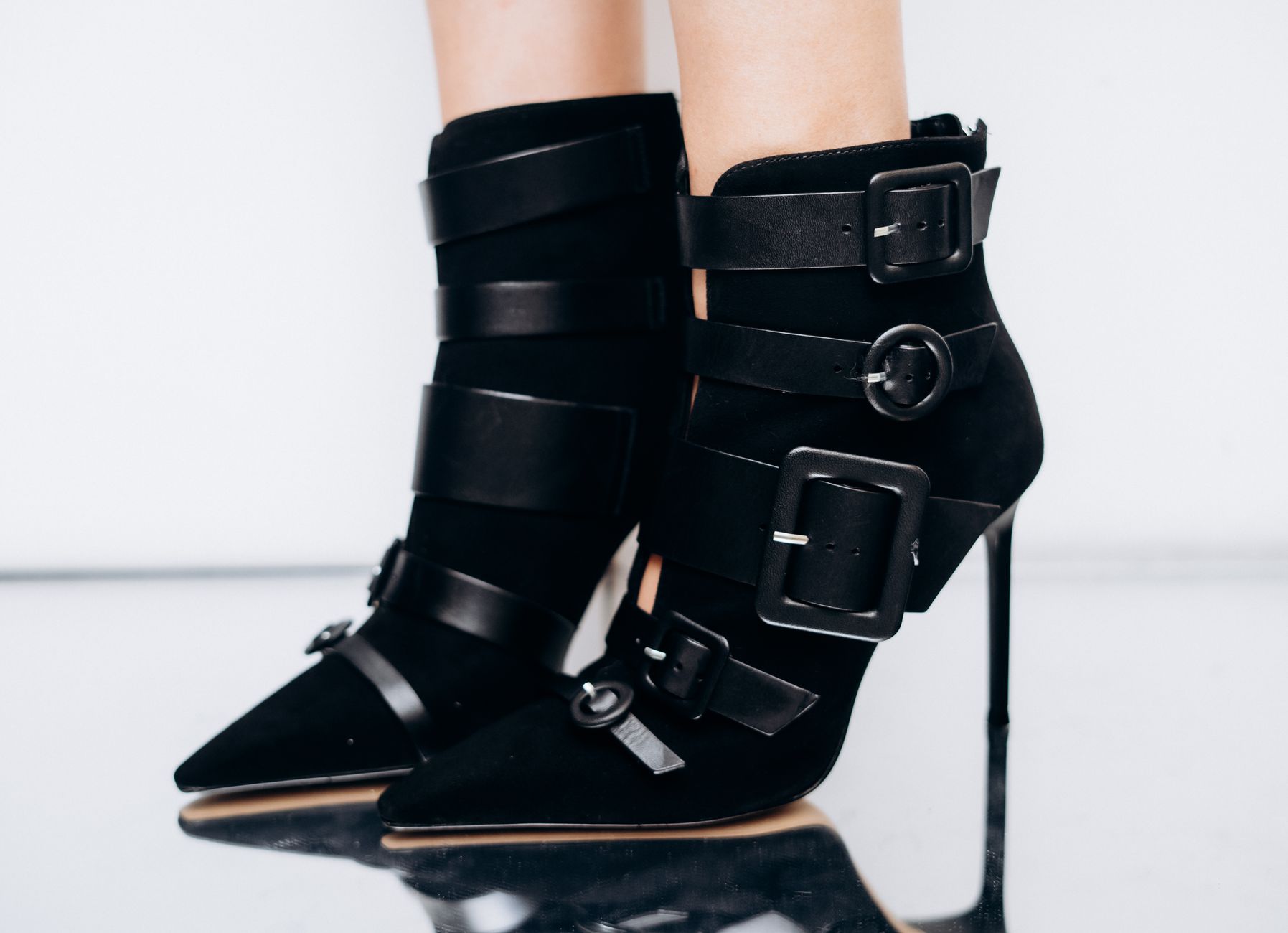
Rather than season-specific shoes that sit unused most of the year, successful dressers build a core collection of versatile pieces that work year-round, then add seasonal accents. Your foundation might include: neutral ankle boots (work with everything, bridge seasons), classic leather loafers (professional and casual), white or neutral trainers (universally versatile), simple flats (feminine and practical), and professional heels or dressy shoes for occasions. These six pieces work throughout the year with different clothing. Then add seasonally: summer sandals, spring pastels, autumn suede, winter insulated boots. This framework prevents wasting money on pieces that work only briefly while ensuring you’re prepared for whatever each season brings.
Quality and Longevity Across Seasons
Shoes experiencing year-round wear need superior construction and materials to remain comfortable and attractive. Quality leather stretches slightly with wear, moulding to your foot. Welted construction allows sole replacement, extending lifespan. Multiple pairs rotated regularly last significantly longer than single worn-out pairs used constantly. Proper seasonal care—conditioning leather before winter storage, applying water protectant in rainy seasons—extends shoe life considerably. Investing in quality foundational pieces means they’ll serve multiple seasons and support countless outfit combinations. Durable seasonal footwear maintains appearance and comfort through extended wear across varying weather conditions and temperatures.
Creating Your Seasonal Shoe Strategy
Begin by honestly assessing your lifestyle and climate. Do you experience all four seasons dramatically, or do you live somewhere with milder variations? How much time do you spend outdoors versus indoors? What does your professional environment require? What do you actually enjoy wearing? Use these answers to identify which seasonal pieces genuinely serve your needs versus which are aspirational. Quality over quantity ensures every purchase works hard across multiple seasons and outfits. Strategic seasonal additions keep your collection feeling fresh and current without requiring constant repurchasing or closet overhauls.