

Creating Functional, Beautiful Spaces: Home Organisation and Domestic Efficiency
A well-organised home eliminates daily frustrations, reduces time spent searching for items, and creates visual calm that genuinely improves quality of life. Organisation isn’t about perfection or aesthetic minimalism; rather, it’s about strategic placement and systems that work with your lifestyle. An organised space where everything has a logical home allows you to locate items instantly, reduces unnecessary duplicate purchases, and creates an environment supporting both productivity and relaxation. Comprehensive home organisation solutions provide the tools and systems necessary to create spaces functioning beautifully for your specific household needs.
Understanding Your Home’s Organisation Challenges
Before purchasing organisers, identify which spaces create ongoing frustration. Does your entryway accumulate clutter without designated homes for daily essentials? Does your pantry make meal planning difficult because you can’t quickly see inventory? Do bathrooms feel chaotic with products everywhere? Do bedrooms struggle with clothing storage? Identifying specific problem areas ensures your organisation efforts address genuine issues rather than aspirational perfection. Most households have three to five primary organisation challenges that, once solved, dramatically improve daily functioning. Addressing these specific problems proves far more effective than attempting wholesale organisation of every space simultaneously.
Practical Storage Solutions for Different Spaces
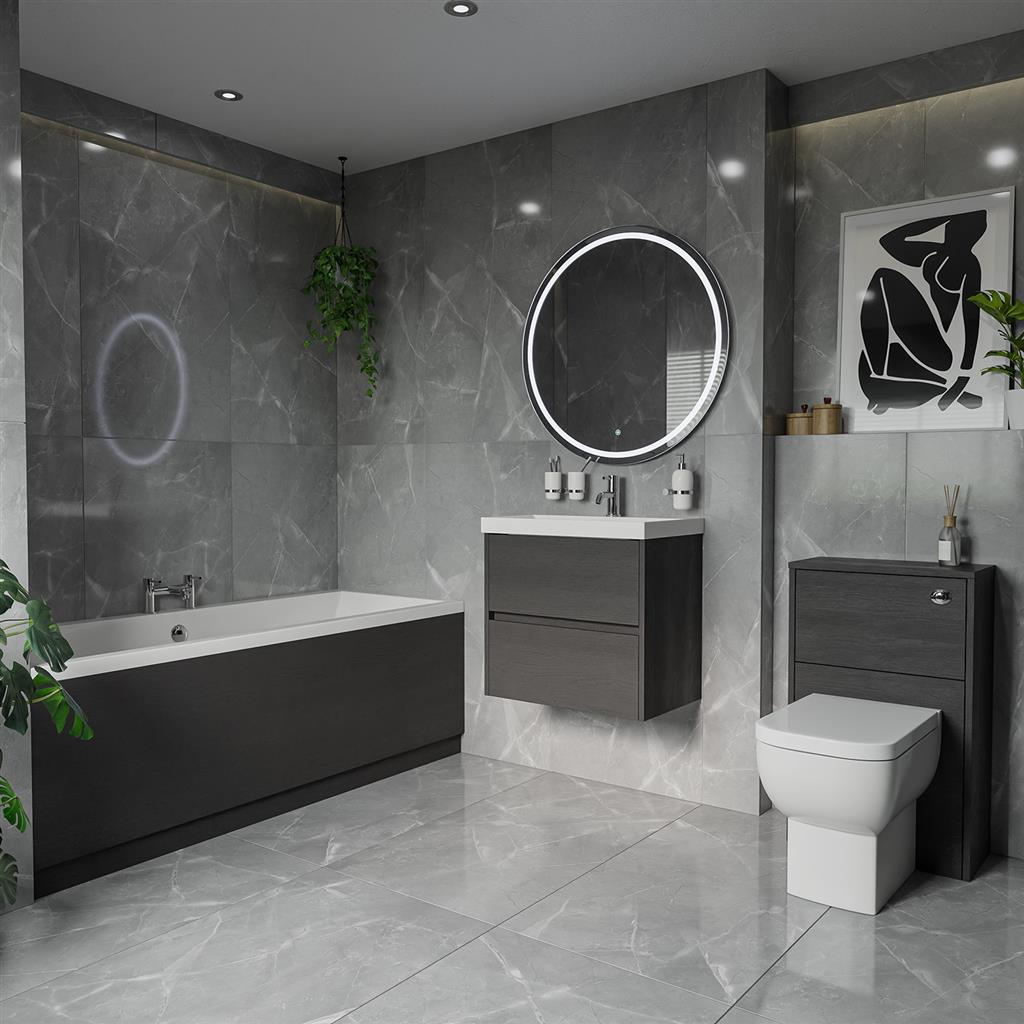
Entryways benefit from hooks for coats and bags, shelves or cubbies for shoes, and small tables or baskets for daily necessities like keys and wallets. Kitchen pantries function better with clear containers holding bulk items, shelves organised by food category, and easily visible inventory. Bathrooms improve dramatically with drawer organisers separating toiletries and cosmetics, shelving for supplies, and hooks for towels and robes. Bedrooms need appropriate clothing storage – dressers or wardrobes – plus nightstands for immediate necessities. Living rooms function better with storage for remotes, magazines, and entertainment items. Matching organisers to specific space challenges and household activities ensures systems support your actual life rather than requiring unrealistic behaviour changes. Versatile storage solutions adapt to different spaces and purposes, providing flexibility across your home.
Clear Containers and Visibility
Transparent storage containers dramatically improve organisation effectiveness because visibility prevents forgotten items accumulating in hidden spaces. Clear plastic bins for seasonal items, closed storage containers for pantry items, and drawer organisers with transparent sections keep inventory visible. Items in opaque containers become invisible – you forget they exist and either duplicate purchases or fail to use them. Labelling transparent containers prevents confusion about contents while making organisation systems accessible to household members. Taking time to label might seem unnecessary but prevents common frustrations like opening containers searching for specific items. This simple system – transparent containers plus clear labelling – solves most household storage challenges more effectively than expensive custom solutions.
The Art of Decluttering Before Organising
Attempting to organise cluttered spaces using containers often creates organised clutter – neat piles of items you don’t actually use. Effective organisation requires first eliminating items you genuinely don’t use or love. Asking honest questions about unused possessions – When did I last use this? Do I actually like it? Would I repurchase it? – helps identify items deserving continued storage versus those creating unnecessary clutter. Donating unwanted items feels good, creates space for things you actually love, and simplifies organisation enormously. A smaller collection of favourite items organised thoughtfully beats elaborate storage systems for items you don’t genuinely value.
Vertical Storage and Space Maximisation
Small spaces benefit tremendously from vertical storage utilising wall space often left empty. Wall-mounted shelving stores items while keeping floor space clear. Hooks on walls and doors hold coats, bags, and towels without occupying drawer or closet space. Tall narrow storage units fit spaces traditional furniture can’t occupy. Corner shelving maximises awkward spaces often wasted. Over-the-door organisers add storage without wall installation. These vertical solutions work in apartments, small homes, or any space where floor space is precious. Maximising vertical space often eliminates needs for larger furniture, keeping spaces feeling open while accommodating necessary items.
Maintaining Organised Systems
The frustration of returning to chaos after organisation efforts occurs when systems don’t match actual household practices. Successful systems require minimal effort to maintain – items return to logical homes easily without feeling like organisation work. If your system requires significant effort to maintain, it doesn’t align with your actual lifestyle and will eventually fail. Weekly reset routines – fifteen minutes of returning items to homes – prevent gradual chaos accumulation. Involving household members in organisation systems and their maintenance ensures buy-in and shared responsibility. Practical organisation products work with human nature rather than against it, supporting systems you’ll actually maintain.
Creating Visual Calm in Living Spaces
Organisation extends beyond functionality to aesthetic calm. Surfaces cluttered with items create visual chaos triggering stress, while clear surfaces feel calming even without perfect organisation. Keeping counters, tables, and shelves relatively clear – reserving them for daily-use items – creates visual calm. Concealing storage – using closed cabinets and drawers rather than open shelving – reduces visual stimulation. Coordinating storage containers creates visual coherence. These aesthetic considerations matter less than functionality for some households but genuinely improve daily wellbeing for others. Understanding your personal response to visual clutter helps you prioritise organisation efforts appropriately.
Building Systems That Evolve With Your Life
Household organisation systems needn’t be static. As your needs change – new family members, different work arrangements, evolving interests – your organisation can adapt. Modular storage systems allowing additions or reconfiguration accommodate life changes better than fixed solutions. Regularly assessing whether current organisation still serves your actual life ensures systems continue working rather than becoming obstacles. Organisation is ongoing maintenance rather than one-time project, adjusted as your household and its needs evolve.