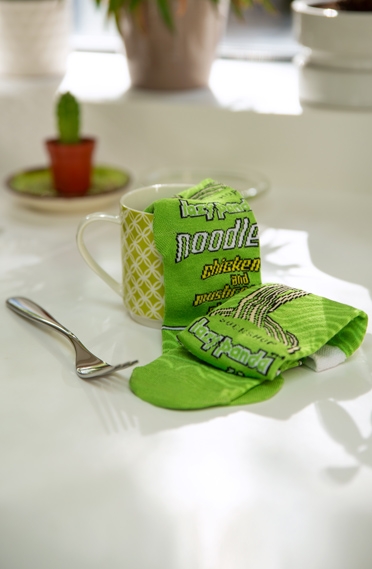
The Complete Guide to Choosing Quality Socks: Comfort, Durability, and Style for Every Occasion
Socks represent often-overlooked essentials significantly impacting daily comfort, foot health, and overall wellbeing. Quality socks prevent blisters, reduce foot fatigue, and maintain temperature regulation throughout daily activities. Yet most people give socks little thought, treating them as disposable commodities rather than important investments in foot care. Understanding sock materials, construction, and design enables informed choices creating healthier, more comfortable daily experiences. Proper sock selection impacts posture, reduces stress on joints, and enhances athletic performance. Comprehensive sock selection addresses diverse needs from athletic performance to professional environments ensuring comfort throughout days.
Understanding Sock Materials
Material composition fundamentally determines sock performance. Cotton offers breathability and comfort but absorbs moisture, creating damp environments where bacteria thrive and blisters develop. Synthetic fibres like polyester wick moisture away from skin maintaining dryness and comfort. Wool, particularly merino wool, regulates temperature across seasons while naturally resisting bacteria and odours. Bamboo fabric offers sustainability with moisture-wicking properties similar to synthetics. Blended materials combine benefits—cotton for comfort with synthetics for moisture management creates effective everyday socks. Understanding material properties helps match socks to activities and environments, ensuring appropriate performance and comfort.
Sock Construction and Durability
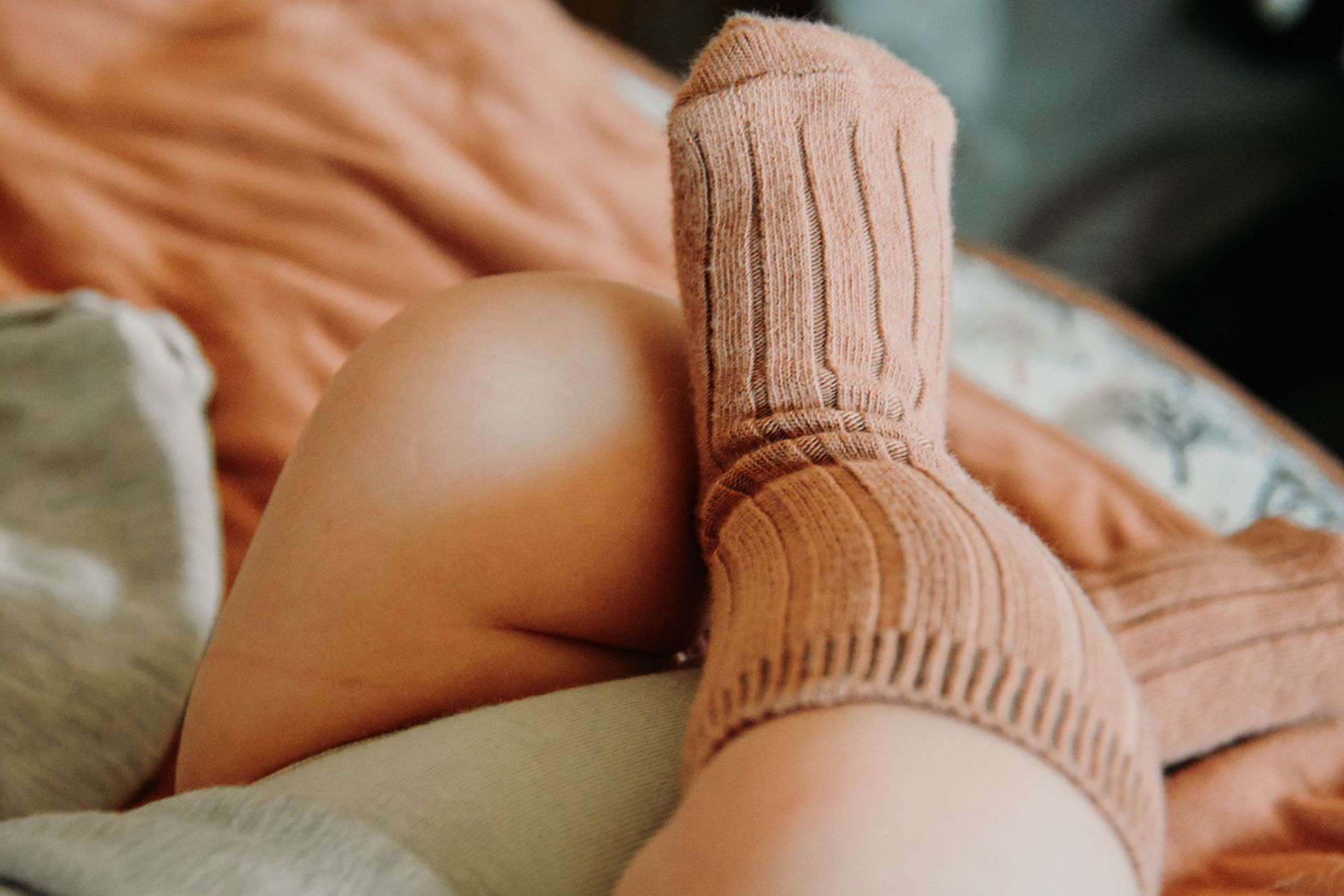
Quality construction determines sock longevity and performance consistency. Reinforced heel and toe areas withstand repeated friction without deterioration. Seamless construction prevents irritation from seam rubbing, particularly important for people with sensitive skin or foot conditions. Arch support bands reduce foot fatigue during extended standing or athletic activities. Graduated compression, properly designed, improves circulation and reduces swelling beneficial for people spending long hours standing or sitting. Understanding construction details helps identify socks that survive repeated washing and wearing rather than deteriorating after few uses.
Matching Socks to Activities
Different activities demand different sock characteristics. Athletic socks require moisture-wicking, arch support, and impact cushioning protecting feet during running and sports. Everyday dress socks need durability and professional appearance without excessive bulk. Hiking socks provide thick cushioning and arch support handling rough terrain and heavy loads. Wool socks excel in cold weather maintaining warmth even when damp. Compression socks improve circulation benefiting people with circulatory issues or standing-intensive jobs. Choosing socks matched to anticipated activities prevents discomfort, blisters, and foot problems. Quality sock varieties address specific needs ensuring appropriate options for all activities.
Sock Fit and Sizing
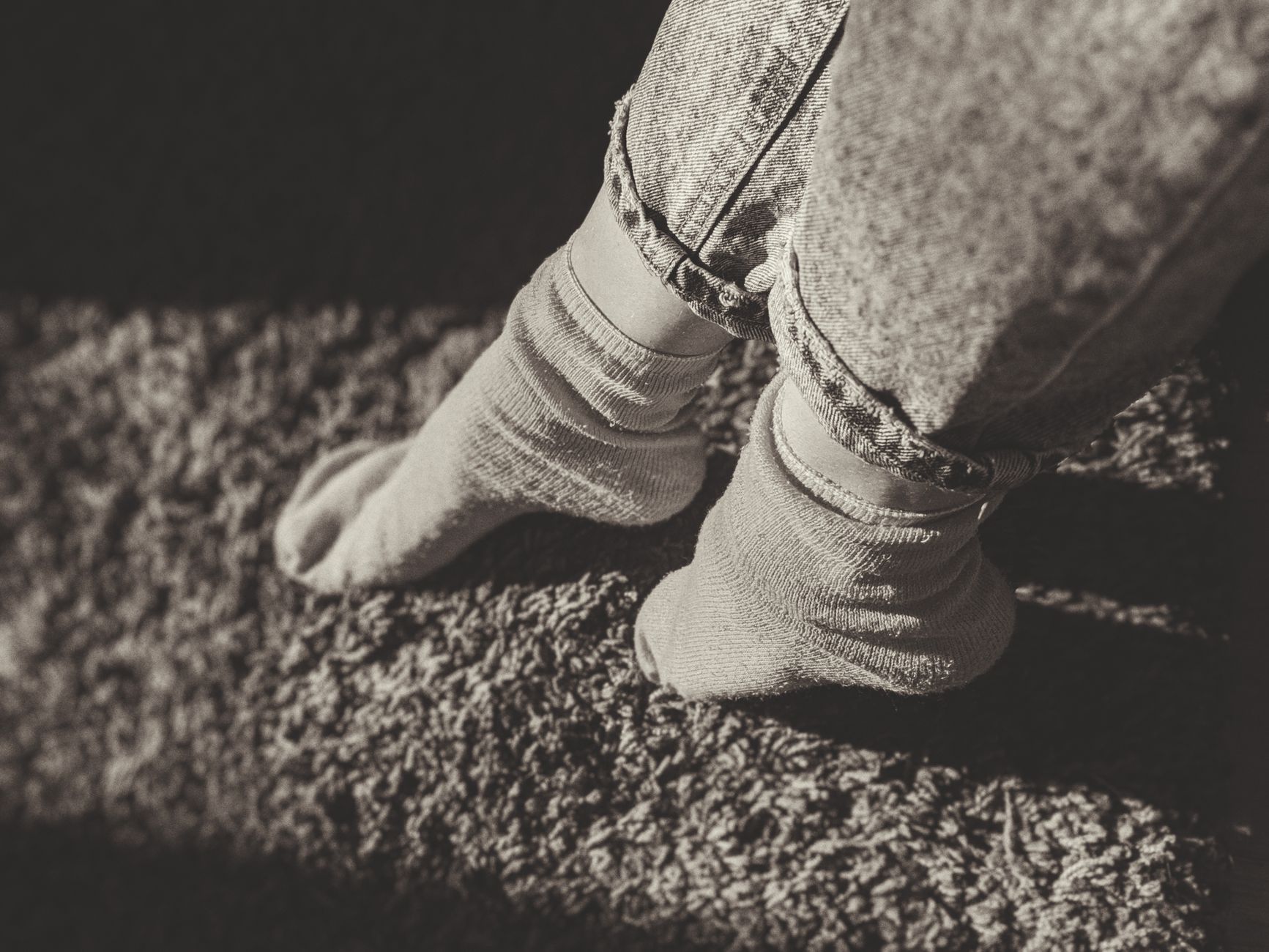
Proper fit prevents slipping, bunching, and pressure points causing discomfort and circulation restriction. Socks too loose slip into shoes creating irritation and blisters. Socks too tight restrict circulation potentially causing numbness and discomfort. Elasticated cuffs should hold socks in place without constricting. Toe boxes should accommodate foot width without excessive room creating bunching. Length matters—crew socks suit athletic activities and casual wear while shorter socks work for professional environments. Trying multiple brands helps identify personal preferences since sizing varies between manufacturers. People with swollen feet or sensitive skin benefit from seamless or specially-designed socks preventing pressure-related issues.
Temperature Regulation and Seasonal Selection
Sock selection varies seasonally to maintain comfortable foot temperatures. Heavy wool socks provide insulation during winter preventing cold feet and related circulation problems. Lightweight cotton or bamboo socks suit summer wear preventing overheating. Transitional seasons benefit from merino wool balancing warmth with breathability. People with circulation problems particularly benefit from proper seasonal sock selection maintaining foot comfort and health. Climate-controlled environments like offices may require specific sock types preventing cold feet despite warm weather outside.
Foot Health and Medical Considerations
Certain foot conditions benefit from specific sock types. Diabetic individuals need seamless socks preventing pressure-related injuries. People with fungal infections benefit from moisture-wicking synthetic socks reducing environments where fungi thrive. Arch pain responds well to socks with arch support bands. Sensitive feet often feel better in merino wool’s naturally hypoallergenic properties avoiding synthetic chemicals. Consulting healthcare providers about specific foot conditions helps identify appropriate sock recommendations supporting foot health and preventing complications.
Sock Care and Longevity
Proper care extends sock lifespan maximising investment value. Washing in warm water rather than hot preserves elasticity and prevents shrinkage. Turning socks inside-out during washing reduces pilling and exterior damage. Air drying rather than machine drying maintains elasticity better than heat exposure. Avoiding fabric softeners which reduce moisture-wicking properties maintains performance. Separating dark and light socks prevents colour bleeding. Regular inspection identifies deteriorating socks preventing uncomfortable wearing experiences.
Preventing Common Sock Problems
Blisters develop from friction between shoe and skin; quality socks reducing moisture and friction prevent blister formation. Odour results from bacterial growth in moist environments; moisture-wicking socks prevent conditions promoting bacterial growth. Athlete’s foot and fungal infections thrive in damp, warm environments; moisture-wicking synthetic or wool socks prevent these conditions. Compression issues from tight socks restrict circulation; properly-fitted socks ensure health and comfort. Understanding causes enables preventive selection rather than treating problems after they develop.
Professional and Dress Sock Selection

Professional environments often require specific sock presentations. Dark, subtle colours match professional attire. Appropriate length ensures no bare leg shows when sitting. Quality construction maintains polished appearance throughout workdays. Comfort remains important despite professional requirements; uncomfortable socks distract and reduce productivity. Investing in quality professional socks pays dividends in comfort and appearance.
Building Your Sock Collection
Building diverse sock collection addressing various needs creates prepared closet. Athletic socks for exercise, everyday socks for casual wear, professional socks for work environments, and seasonal socks for climate variations ensure appropriate options for any situation. Trying various brands identifies preferences and best fits for personal feet. Investing in quality socks improves daily comfort measurably, supporting foot health and reducing common foot problems. Quality sock options enable building collection supporting comfort across all activities and seasons.