Plant-Based Nutrition: How Vegan Eating Delivers Complete Nutrition and Supports Optimal Health
Common misconceptions about vegan diets claim they’re nutritionally incomplete, lacking protein, missing essential amino acids, or causing deficiencies. These myths persist despite extensive research consistently demonstrating that well-planned vegan diets provide complete nutrition superior to many conventional diets. The misunderstanding stems from outdated nutrition science and cultural assumptions that animal products are nutrition’s only reliable source. Modern nutrition science proves otherwise. Plant-based foods provide all essential nutrients your body needs in abundance. When vegan diets are planned thoughtfully, including diverse plant foods, they produce health outcomes superior to conventional diets in many measurable ways. Understanding vegan nutrition eliminates confusion, allowing you to approach plant-based eating confidently, knowing you’re meeting all nutritional needs while often achieving better health markers than conventional eating patterns. VGN recognizes that plant-based nutrition represents a powerful health choice, providing comprehensive resources supporting successful vegan eating grounded in nutrition science.
Complete Protein from Plant Sources
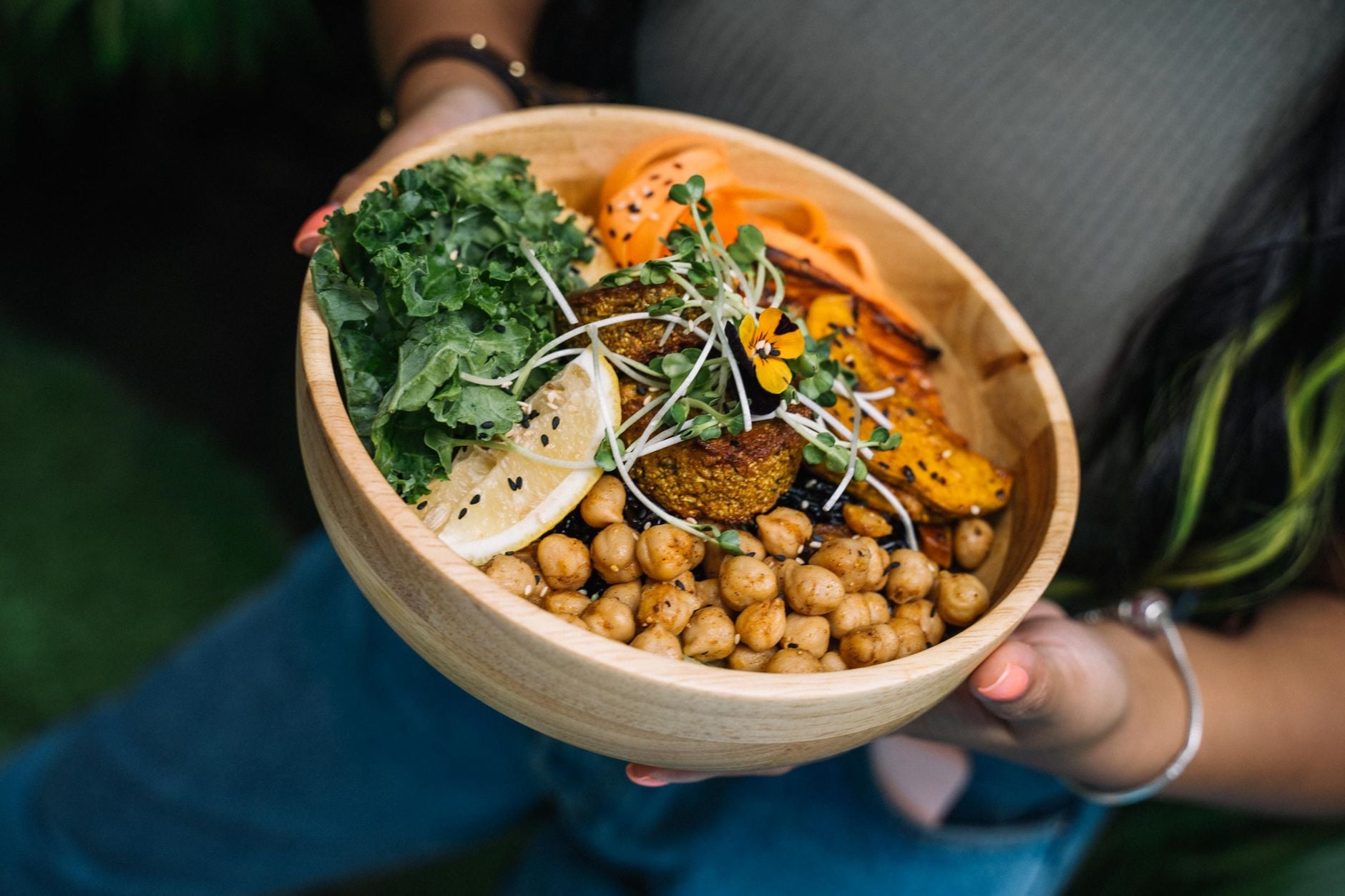
The most persistent misconception about vegan diets concerns protein. Myths claim plant proteins are incomplete, lacking essential amino acids or providing insufficient quantity. Scientific reality contradicts these claims. Plant foods provide abundant protein containing all essential amino acids. While animal products contain high protein density, plant foods collectively provide equal nutrition through diverse consumption. Legumes including beans, lentils, and chickpeas provide protein comparable to meat with additional fiber and micronutrients. Whole grains contribute significant protein. Nuts and seeds provide concentrated protein alongside healthy fats. When these diverse plant proteins combine across meals and days, they provide complete amino acid profiles identical to animal proteins. Research comparing vegan athletes with conventional athletes shows no difference in muscle development, strength gains, or athletic performance when calorie and protein intake are equivalent. Elite vegan athletes from ultramarathoners to weightlifters consistently demonstrate that plant-based nutrition supports high-level athletic performance. VGN provides guidance on combining plant proteins effectively, ensuring adequate amino acid intake without calculating individual meals.
Plant proteins containing all essential amino acids provide complete nutrition comparable to animal sources when consumed thoughtfully.
Micronutrient Abundance in Plant Foods
Plant foods contain vitamins and minerals in concentrations often exceeding animal products. Leafy greens provide iron, calcium, and numerous micronutrients. Colorful vegetables provide antioxidants and phytonutrients. Seeds and nuts provide selenium, zinc, and other minerals. Fruits provide vitamins and beneficial compounds. The variety of plant foods available ensures comprehensive micronutrient coverage. Some nutrients require attention on plant-based diets. Vitamin B12, found primarily in animal products and fortified foods, requires supplementation or regular consumption of fortified foods. Vitamin D requires sun exposure or supplementation, which applies equally to vegan and conventional diets in regions with insufficient sunlight. Iodine requires salt iodization or supplementation. Iron is abundant in plant foods, though plant iron absorption differs from animal iron. Consuming iron-rich foods alongside vitamin C sources, which enhance absorption, easily meets iron needs. These manageable supplementation and attention items are far outweighed by plant foods’ exceptional nutrient density. VGN provides specific guidance on micronutrient adequacy, ensuring you understand which nutrients to prioritize and how to obtain them reliably.
Plant foods provide exceptional micronutrient density, with a few manageable supplements ensuring complete nutrient coverage.
Plant-Based Diets and Disease Prevention
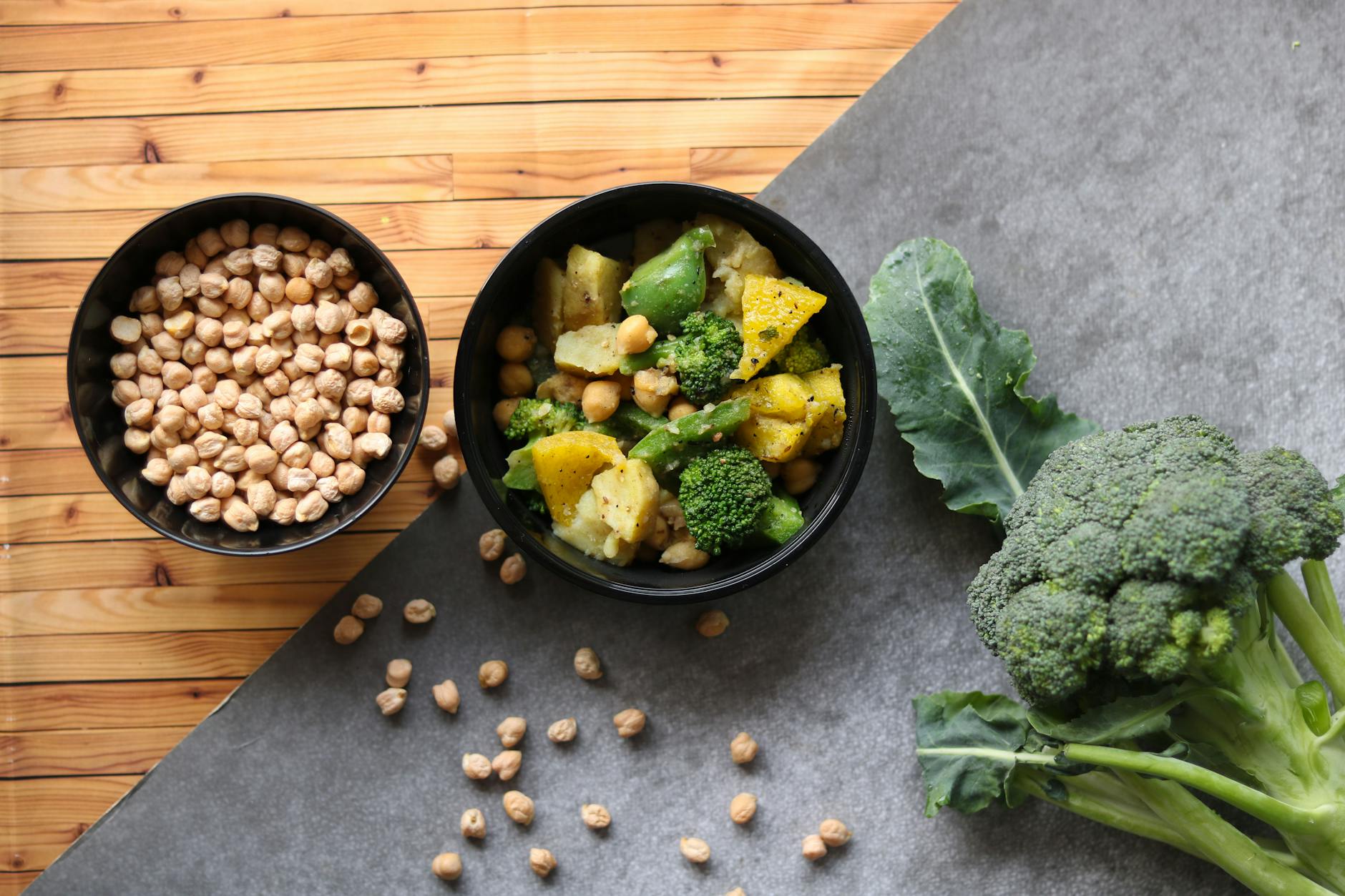
Extensive research demonstrates that plant-based diets reduce risk for chronic diseases affecting modern populations. Cardiovascular disease, the leading cause of death in developed nations, occurs at dramatically lower rates in populations consuming primarily plant-based diets. High cholesterol levels, a major heart disease risk factor, decrease consistently when people transition to plant-based eating. Blood pressure improvements occur rapidly, often within weeks of dietary transition. Type 2 diabetes risk decreases significantly. Cancer rates for several cancer types decrease in populations emphasizing plant-based foods. These protective effects reflect plant foods’ nutrient density, high fiber content, and absence of dietary components associated with disease. Saturated fat and dietary cholesterol from animal products contribute to cardiovascular disease and metabolic dysfunction. Plant-based diets naturally low in these disease-promoting components prove protective. VGN connects this nutrition science to practical eating, supporting disease prevention through plant-based nutrition.
Plant-based diets reduce risk for cardiovascular disease, diabetes, and several cancers through nutrient-dense, disease-preventing nutrition.
Weight Management and Metabolic Health
Vegan diets consistently support healthy weight management and improved metabolic markers. Plant foods’ high fiber content promotes satiation, preventing overeating while supporting stable blood sugar. Lower calorie density of plant foods compared to animal products means you consume more food volume while maintaining lower calories. This abundance of food alongside caloric moderation creates satisfying eating patterns sustainable long-term. Metabolic improvements extend beyond weight. Blood sugar control improves. Insulin sensitivity increases. Inflammation decreases. These metabolic improvements occur even without weight change, though weight change typically accompanies healthier eating. Research comparing people maintaining identical calories on vegan versus conventional diets shows that those eating plant-based achieve superior weight loss, suggesting plant foods’ inherent metabolic advantages beyond simply calories consumed. VGN supports sustainable weight management and metabolic health through plant-based nutrition.
Plant-based diets support weight management and metabolic health through high fiber, satiation, and inherent metabolic advantages.
Energy and Athletic Performance
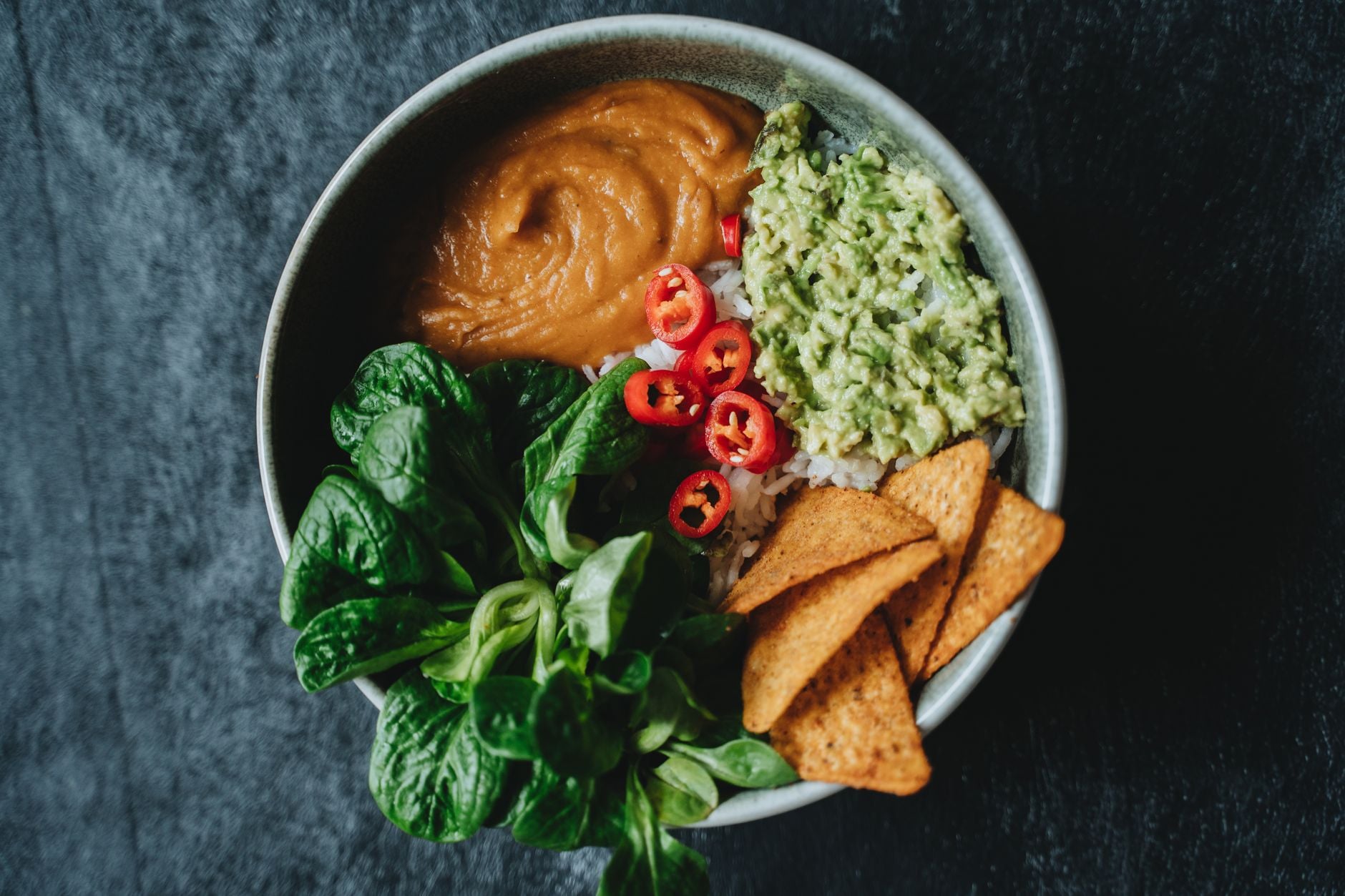
Contrary to claims that plant-based eating reduces performance, athletes adopting plant-based nutrition often report improved energy, faster recovery, and enhanced performance. Plant-based diets typically emphasize complex carbohydrates, which provide sustained energy for training. Reduced inflammation from plant-heavy diets supports faster recovery. Abundant micronutrients support physiological optimization. Many elite athletes attribute performance improvements to plant-based diets. Ultra-endurance athletes, sprinters, weightlifters, and team sport athletes at elite levels demonstrate that plant-based nutrition supports superior performance. While individual variation exists, research shows no inherent performance disadvantage to plant-based diets when nutritionally adequate. VGN supports athletic vegan nutrition, helping athletes optimize performance through plant-based eating.
Plant-based diets support athletic performance through carbohydrate abundance, reduced inflammation, and nutritional optimization.
Practical Plant-Based Nutrition
Understanding plant-based nutrition science matters less than implementing practical eating. Building meals around diverse plant foods—legumes, whole grains, vegetables, fruits, nuts, and seeds—ensures nutritional completeness. Including B12 supplementation or fortified foods ensures this critical nutrient. Eating varied, colorful foods ensures micronutrient diversity. These simple principles translate easily into satisfying meals you actually enjoy eating. Plant-based eating needn’t be complicated. Many traditional cultures have eaten primarily plant-based for generations, developing delicious, nutritionally complete cuisines. Learning from these traditions and adapting to your preferences creates sustainable plant-based eating. VGN provides practical guidance on plant-based eating, supporting easy transition to plant-based nutrition.
Practical plant-based nutrition requires simple principles translated into diverse, enjoyable meals.
Embrace Plant-Based Nutrition

Plant-based nutrition delivers complete nutrition supporting optimal health, disease prevention, and athletic performance. Extensive research confirms what plant-based eaters experience directly: plant foods nourish beautifully. Rather than worrying about nutritional adequacy, focus on eating diverse plant foods, ensuring B12 coverage, and enjoying the vibrant health that emerges from plant-based nutrition. Experience improved energy, better body composition, superior health markers, and the satisfaction of eating in alignment with your values. VGN supports your plant-based nutrition journey, providing resources ensuring success. Begin today and discover how plant-based nutrition transforms your health.