
Master Interior Painting: Professional Techniques for Flawless Walls and Ceilings
Interior painting transforms living spaces, refreshing tired rooms while expressing personal style and improving home appeal. Yet many homeowners approach painting cautiously, deterred by perceived complexity and fear of substandard results. Understanding proper technique, selecting appropriate tools, and preparing thoroughly enables achieving professional-quality finishes without hiring contractors. Quality painting saves substantial renovation costs while creating personal satisfaction from successful projects. Whether refreshing bedrooms, updating kitchens, or transforming entire homes, mastering fundamental painting skills empowers confident DIY results. Comprehensive painting solutions provide quality products supporting professional finishing touches across all interior spaces.
Assessing Your Space and Selecting Colours
Before purchasing paint, understand your space’s lighting, existing décor, and desired aesthetic. Natural light reveals colours differently than artificial light; test paint samples on walls observing appearance throughout the day. Rooms with limited light benefit from lighter colours reflecting available light. North-facing rooms appear cooler requiring warmer paint tones creating balance. East and west-facing rooms receive directional light influencing colour appearance. Sample multiple paint shades identifying personal preferences before committing entire rooms. Taking time selecting colours prevents expensive mistakes from unsuitable choices.
Preparation: The Foundation of Quality Results
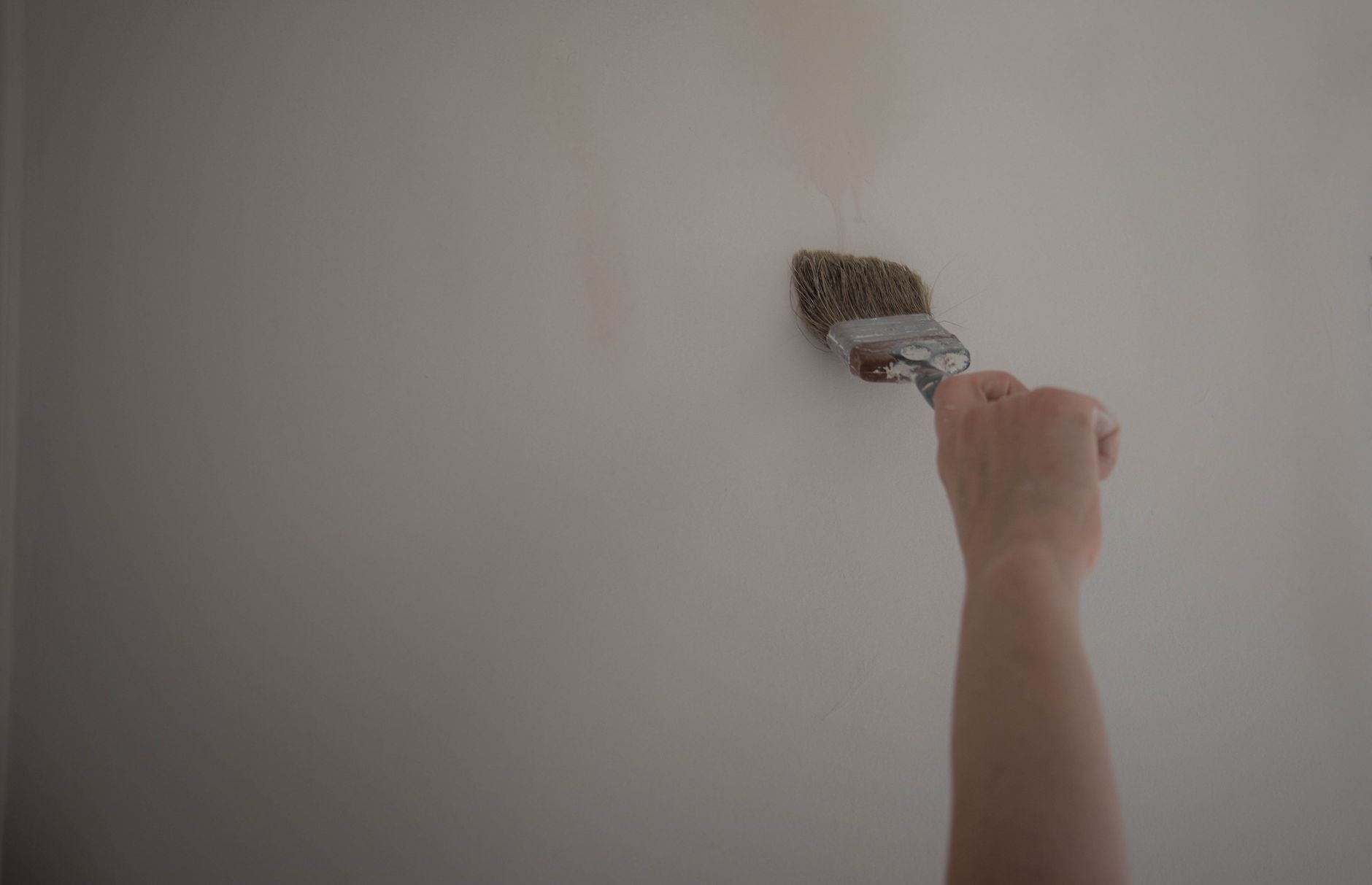
Quality painting begins with thorough preparation determining ultimate finish quality. Remove furniture and cover remaining items with drop cloths. Patch holes and imperfections using spackling compound, sanding smooth once dry. Clean walls removing dust, grease, and mildew preventing paint adhesion problems. Sand glossy surfaces dull enabling new paint grip. Tape baseboards, trim, and ceiling edges protecting from accidental coverage. Proper preparation takes time yet prevents common painting problems requiring extensive rework.
Choosing Quality Paint and Tools
Paint quality significantly impacts durability and aesthetic results. Quality interior paints cover better, resist staining, and maintain colour longer than budget options. Finish selection matters—flat finishes hide imperfections on old walls while satin finishes suit kitchens and bathrooms. Semi-gloss finishes work well on trim and doors. Understanding paint properties helps select appropriate products for specific applications. Quality brushes and rollers make application easier while preventing shedding marring finishes. Investing in proper tools creates professional results justifying higher initial costs.
Painting Techniques and Application
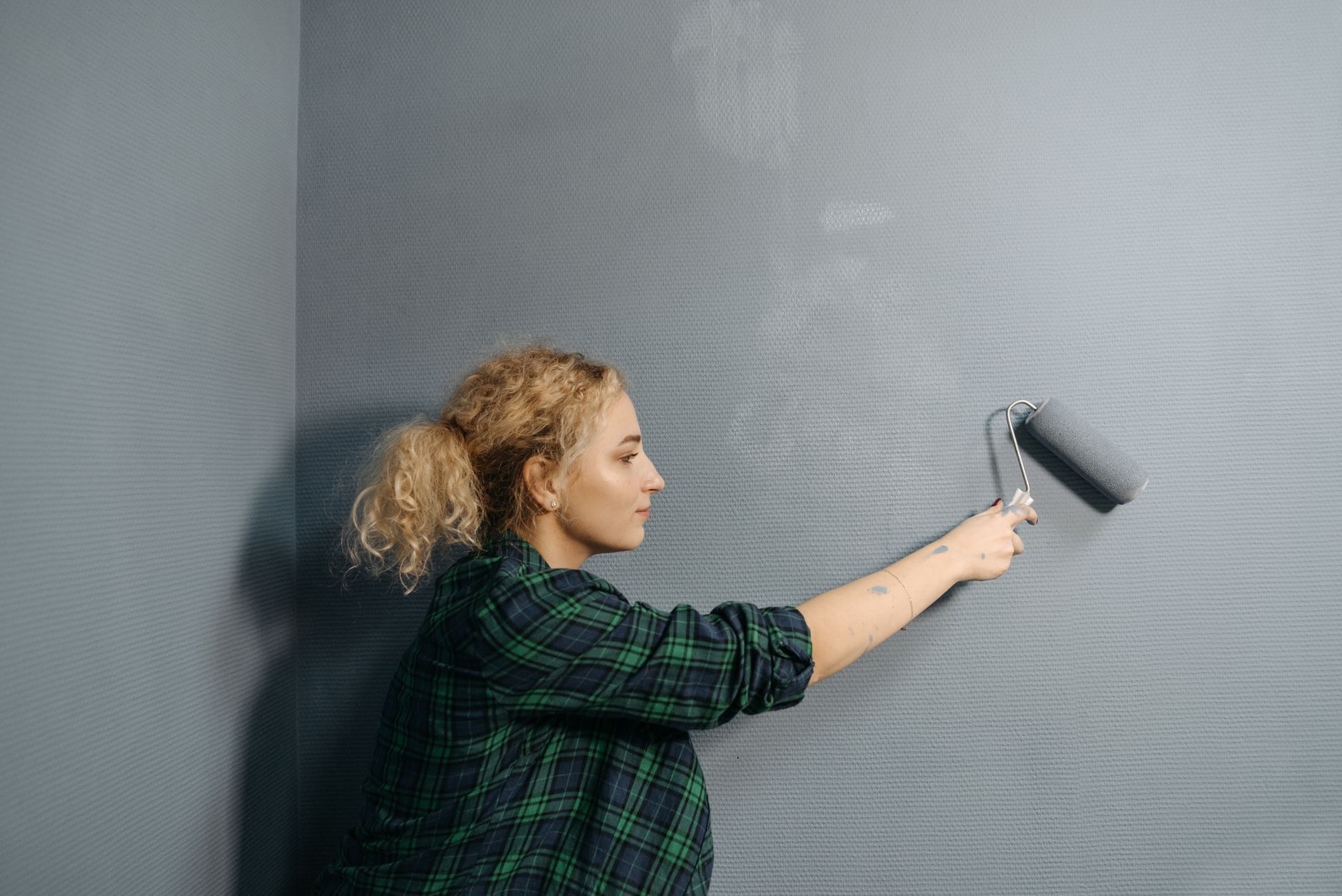
Proper technique prevents common painting problems. Cut in around edges and corners using angled brushes before rolling main wall areas. Apply thin, even coats rather than heavy applications preventing drips and runs. Use roller extension poles maintaining consistent pressure and angle. Work from unpainted areas toward painted sections blending edges preventing visible lines. Maintain wet edges preventing lap marks from drying boundaries. Allow proper drying time between coats—rushing causes colour variations and poor adhesion. Quality paint products enable smooth application creating professional finishes.
Ceiling Painting Challenges
Ceiling painting intimidates many DIYers yet manageable with proper preparation. Paint ceilings before walls catching drips on protective coverings. Use extension poles preventing neck strain and improving control. Apply paint in overlapping strokes maintaining edges wet preventing visible lines. Ensure adequate lighting; ceiling imperfections become visible under certain light angles. Flat white paint suits most ceilings hiding imperfections while reflecting light. Tinted ceilings create intimate atmospheres though requiring more frequent touch-ups.
Addressing Difficult Surface Conditions
Glossy surfaces including previously painted trim and cabinet doors require special preparation. Sanding dull existing gloss enables paint adhesion. Water stains and smoke damage need blocking primers preventing bleed-through. Uneven textures may require skim coating before painting creating smooth surfaces. Moisture problems from leaks or humidity must be addressed before painting preventing failure. Mould growth requires cleaning with appropriate solutions before painting. Understanding surface conditions prevents expensive failures requiring complete repainting.
Creating Feature Walls and Colour Blocking
Strategic colour choices transform spaces beyond uniform painting. Feature walls draw attention and add visual interest. Darker colours create intimacy in larger rooms while lighter colours brighten small spaces. Horizontal colour blocking divides walls creating spaciousness. Ceiling colour coordination extends colour themes. Colour transitions between rooms create flow. Testing colours on walls helps visualise final results before committing. Creative colour selection expresses personality transforming ordinary spaces.
Protecting Woodwork and Trim
Quality trim finishing requires precision and appropriate products. Trim paints differ from wall paints offering durability and finish quality. Semi-gloss or satin finishes work better than flat finishes preventing visible dirt and marks. Proper taping prevents paint overlap on walls. Slow, deliberate brush strokes create clean lines. Trim painting requires patience and attention to detail yet dramatically impacts overall appearance.
Final Touches and Maintenance
Once paint dries completely, remove protective coverings and tape carefully preventing damage. Inspect walls under different lighting identifying touch-up needs. Keep small quantities of original paint colours enabling future repairs maintaining consistency. Regular light cleaning maintains paint appearance. Addressing stains and marks promptly prevents permanent damage. Quality painting creates durable finishes requiring minimal maintenance maintaining freshness for years.
Your Interior Painting Success
Interior painting represents accessible DIY project enabling dramatic home improvements. Proper preparation, appropriate products, and correct techniques create professional results justifying effort. Understanding your space and colour selections ensures satisfaction. Quality painting products support achieving beautiful, durable finishes transforming interior spaces.