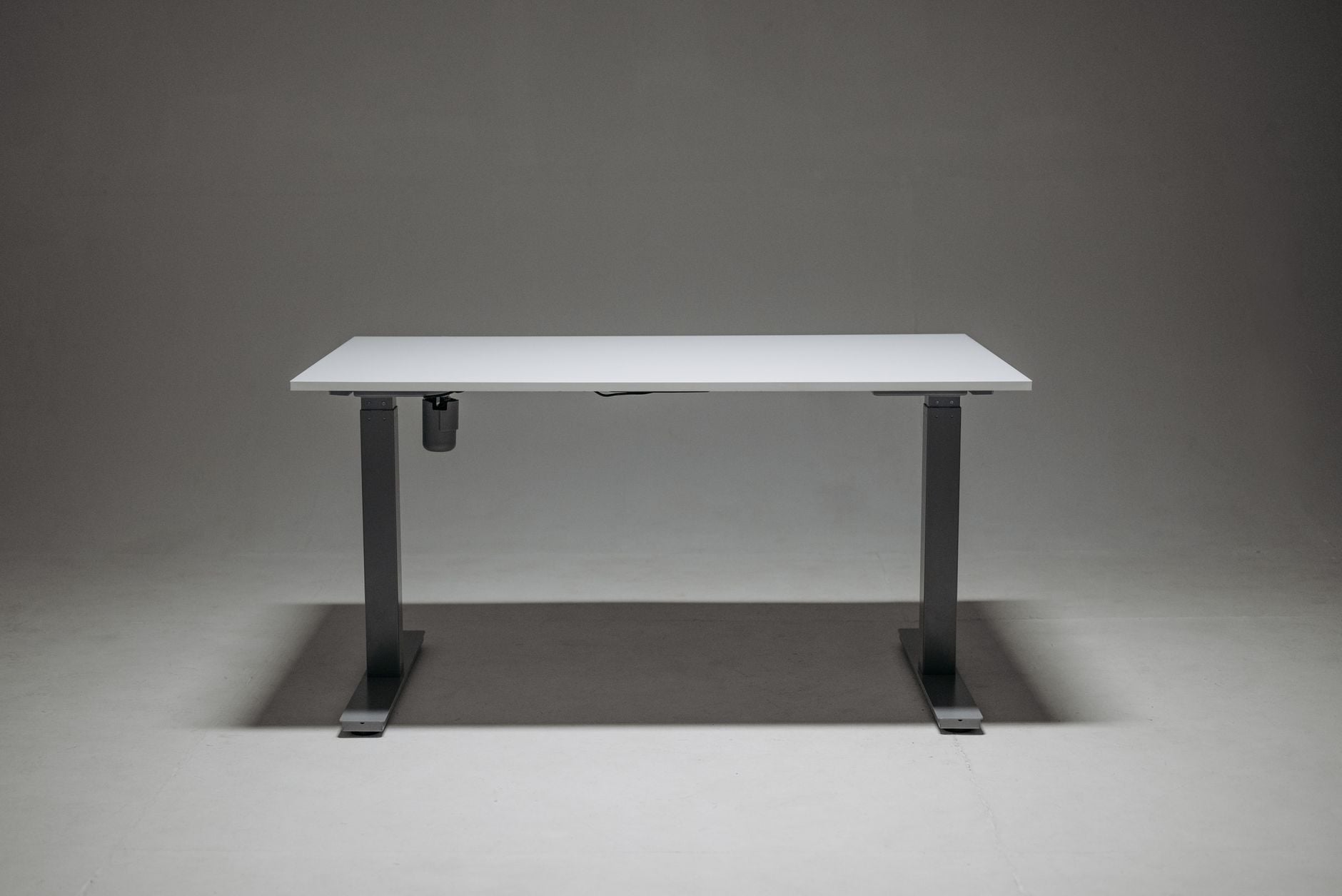
Standing Desks vs. Traditional Desks: Which Is Better for Modern Professionals?
The debate over standing desks versus traditional sitting desks has intensified as remote work has become mainstream. For decades, office workers accepted that their jobs required spending eight hours in a chair, until research began revealing the significant health costs of prolonged sitting. Modern professionals now face a genuine question: should they switch to a standing desk, combine sitting and standing, or maintain their traditional setup? The answer depends on understanding the science, benefits, and practical considerations of each approach.
The Health Crisis of Prolonged Sitting
Modern research has revealed that prolonged sitting carries genuine health risks, often comparable to smoking in terms of long-term consequences. When you sit continuously for eight hours, your muscles become inactive, your circulation slows, and your metabolism shifts into a lower gear. Studies link extended sitting periods to increased risk of cardiovascular disease, type 2 diabetes, certain cancers, and obesity. Additionally, sitting all day contributes to postural problems, weak core muscles, and chronic back pain that can persist long after work hours end.
These findings have fundamentally challenged the traditional office setup where standing was considered optional or even unusual. Employers and workers alike are reconsidering whether the traditional desk is actually the best choice for long-term health. The sedentary nature of sitting work has become widely recognized as a genuine occupational health concern that demands practical solutions.
The Case for Standing Desks: Benefits and Considerations
Standing desks offer several legitimate health advantages. When you stand, your muscles remain engaged, your circulation stays active, and your metabolism maintains a higher baseline rate. Standing workers report improved energy levels, better focus, and reduced fatigue compared to their sitting counterparts. Additionally, standing naturally encourages better posture, your spine aligns more neutrally when standing than when slumped in a chair.
However, standing desks come with their own set of challenges. Standing for eight consecutive hours is not ideal either; your feet, legs, and lower back will fatigue. Standing desks work best when combined with frequent position changes. Additionally, standing desks require a significant upfront investment compared to traditional desks, and they demand proper setup to avoid new problems like foot pain or knee strain. For workers unaccustomed to standing, the transition must be gradual to avoid physical stress.
Traditional Sitting Desks: Why They Remain Relevant
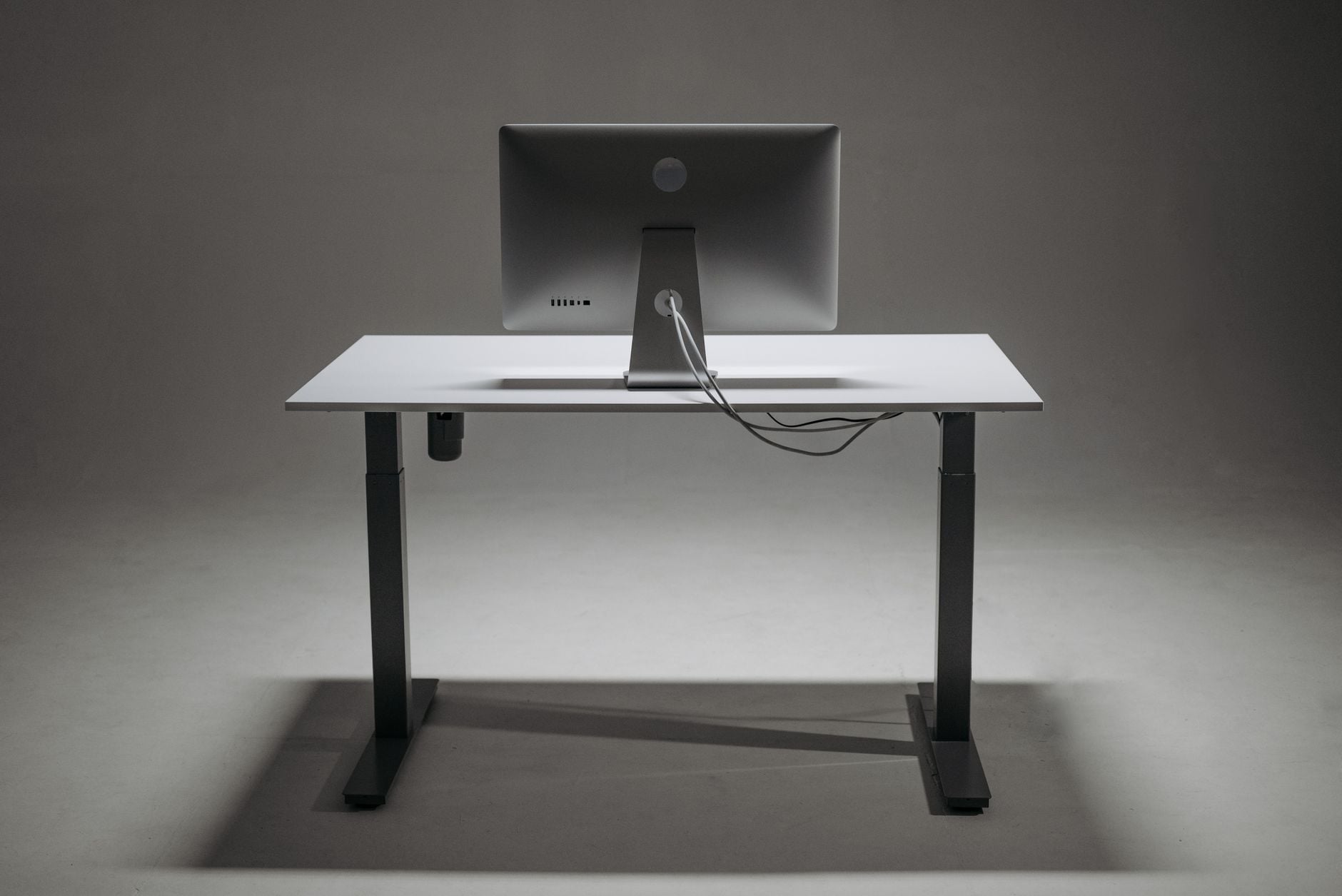
Traditional desks remain the most common workspace configuration for good reasons. They are affordable, familiar, and allow for focused, stable work without physical fatigue from standing. For tasks requiring fine motor control, detailed visual work, or extended concentration, sitting provides stability that standing cannot match. A well-designed ergonomic chair supporting proper posture offers genuine comfort during long work sessions.
The issue with traditional desks is not inherently the design, it is the lack of movement and position variation. A traditional desk becomes problematic only when it becomes the sole position you maintain throughout your entire workday. When used as intended, with proper ergonomic support and regular movement breaks, a traditional desk remains a viable and effective workspace option.
Height-Adjustable Desks: The Practical Compromise
The most effective solution for modern professionals is a height-adjustable desk that accommodates both sitting and standing positions. This hybrid approach allows you to vary your position throughout the day based on your immediate needs and physical state. You can stand during energetic work phases, sit for detailed tasks, and alternate between positions to maintain engagement and comfort.
Height-adjustable desks provide the flexibility that neither permanent standing nor permanent sitting can offer alone. You can start your day standing to boost energy and circulation, transition to sitting for focused work, stand again during afternoon energy dips, and finish with sitting if you prefer. This natural variation aligns with how humans actually work best, moving, adjusting, and responding to immediate comfort needs rather than forcing yourself into a single position for eight straight hours.
Making the Transition: Practical Implementation
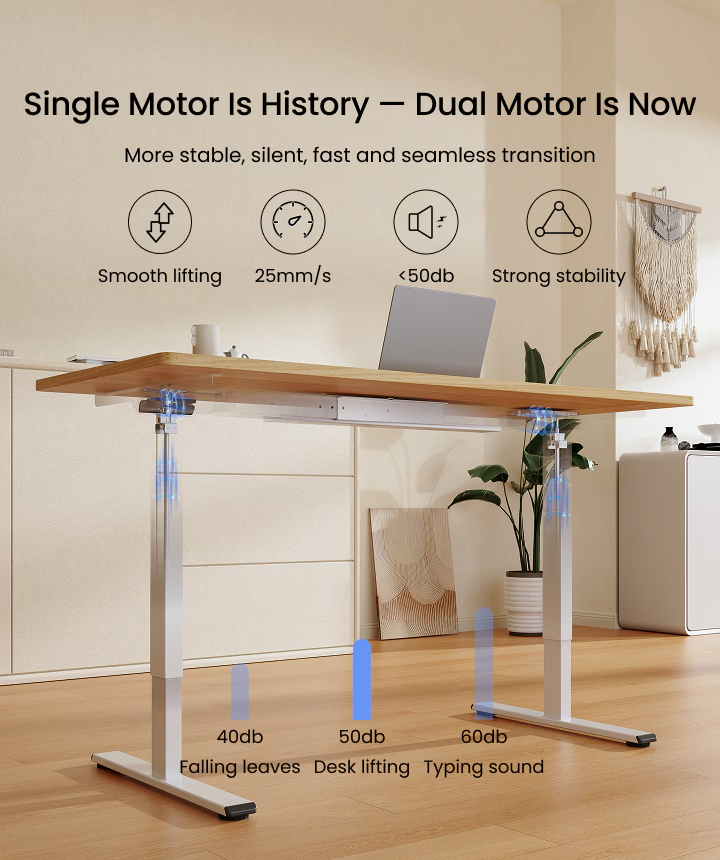
If you are transitioning from a traditional desk to a standing or adjustable solution, gradual implementation is essential. Begin by standing for just thirty minutes to an hour, then gradually increase your standing time as your body adapts. Proper footwear matters significantly—supportive shoes designed for standing reduce foot and leg fatigue. Additionally, having an anti-fatigue mat beneath your standing area provides comfort and reduces joint stress.
The investment in an adjustable desk is worthwhile when you consider the long-term health benefits and productivity gains. Quality adjustable desks last for years and support your evolving health needs. Many professionals report that within weeks of transitioning to adjustable desks, they experience noticeably better energy levels, reduced back pain, and improved focus throughout their workday.
The Verdict for Modern Professionals
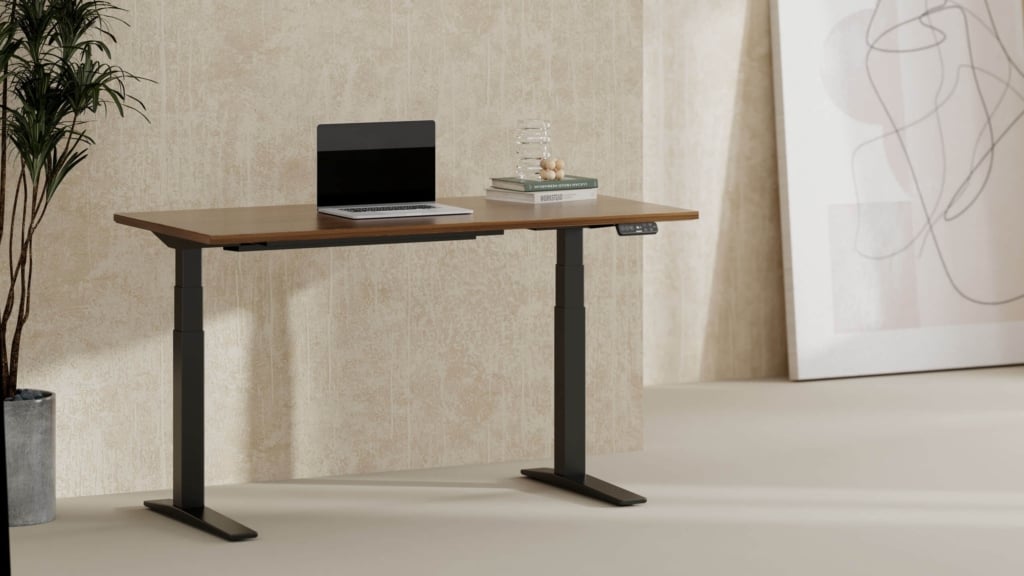
For most modern professionals, a height-adjustable desk that accommodates both sitting and standing represents the optimal choice. It provides the benefits of both positions while avoiding the downsides of either approach alone. Combined with an ergonomic chair, proper monitor positioning, and the discipline to vary your position regularly, an adjustable desk creates a workspace that genuinely supports your long-term health and professional performance. The question is not sitting versus standing, it is about having the flexibility to move and adjust, responding to what your body needs at any given moment.