Master the Art of Wine Tasting: How to Discover Flavors You Never Knew Existed
You swirl your wine glass, take a sip, and immediately think one of two things: either “this tastes good” or “this tastes bad.” You have no vocabulary for what’s happening in your mouth, no framework for understanding the experience beyond basic approval or disapproval. This is where most casual wine drinkers stay. They drink what they like without ever developing deeper appreciation or understanding. But wine tasting isn’t an elite skill reserved for snobs and sommeliers. It’s a learnable practice that transforms wine from something you consume into something you experience. Once you learn to taste deliberately, every glass becomes more interesting. You discover nuances you previously missed. You understand why certain wines cost more. You develop preferences based on actual flavor characteristics rather than pretty labels. Svinando curates exceptional wines specifically selected for their complexity and character, making them ideal for developing your tasting skills.
The fundamental misunderstanding about wine tasting is that it requires special taste buds or inherent talent. It doesn’t. Your taste buds work the same as everyone else’s. What differs is trained attention. Professional tasters aren’t born with superior palates; they’ve simply learned to notice what’s already there. They’ve developed a vocabulary to describe flavors. They’ve practiced identifying different aromatic compounds. They understand how different wines express themselves. This is entirely learnable. Wine tasting is really about slowing down and paying attention. Most of us gulp beverages thoughtlessly. Wine tasting requires the opposite: deliberate, focused attention to every sensation. What does it smell like? What flavors emerge first? How does it evolve as you drink? Does it finish smoothly or with a sharp edge? These questions guide your attention toward genuine sensory experiences. Svinando’s diverse wine selection provides excellent material for developing these tasting skills.
Engage Your Senses: The Five Steps of Wine Tasting

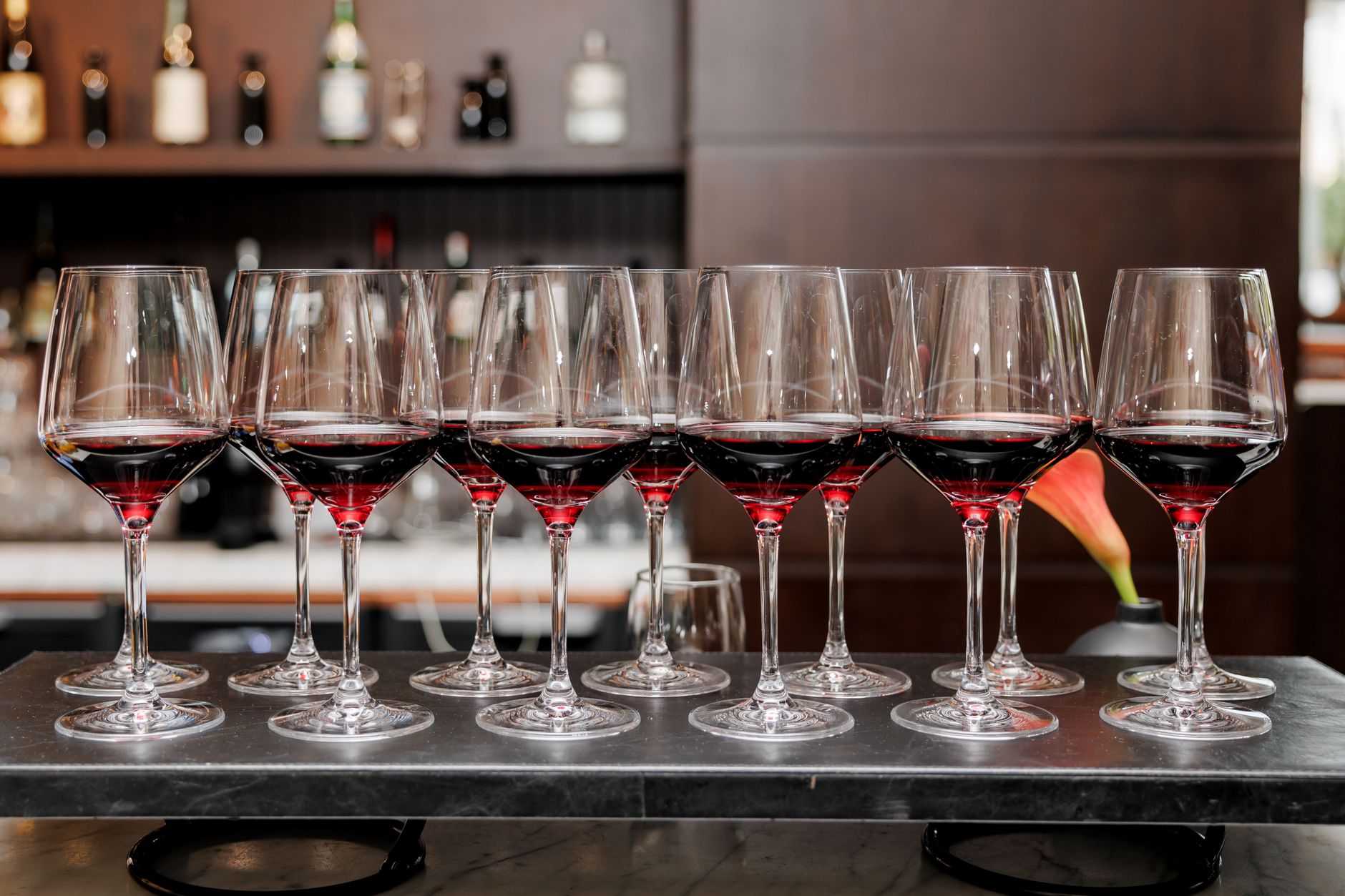
Professional wine tasting follows a structured approach that anyone can learn. First, observe: Look at the wine in good light. Notice its color intensity. Is it pale or deep? Is it clear or slightly hazy? Color provides clues about the wine’s age, grape variety, and winemaking approach. Young white wines appear pale; aged ones develop golden hues. Red wines lighten as they age. This seemingly superficial observation actually provides valuable information. Second, swirl: Swirling releases aromatic compounds into the air, intensifying what you smell. This isn’t pretentious performance; it serves a genuine function. Smell the wine before swirling, then after. Notice how the aroma intensifies. Third, smell: What aromas do you detect? Primary aromas come from the grapes—citrus, berries, flowers, grass. Secondary aromas develop during fermentation—bread, butter, yogurt. Tertiary aromas come from aging—leather, tobacco, earth. Don’t worry about naming everything perfectly. Describing wine as “fruity” is perfectly valid. Fourth, taste: Take a moderate sip. Let it coat your mouth. Notice the flavors that emerge. How does it taste different from what you smelled? Is it sweet or dry? Does it have tannins that create drying sensations? Fifth, reflect: Swallow and notice the finish. How long do flavors persist? Do they evolve? This structured approach transforms tasting from passive consumption into active experience.
Understanding Tannins and Structure
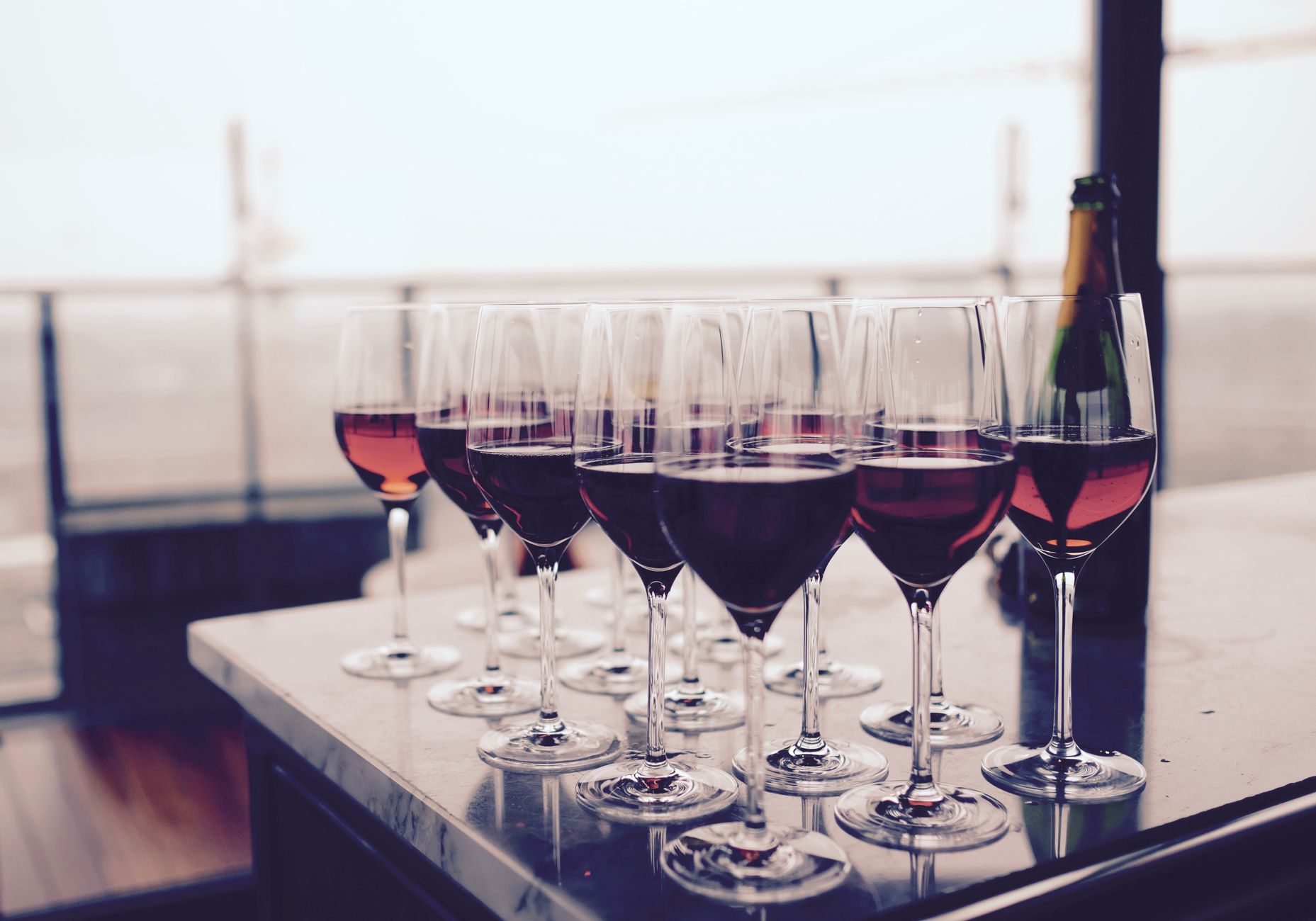

Tannins confuse many casual wine drinkers. That drying sensation in your mouth when drinking red wine—that’s tannins. They’re compounds extracted from grape skins during fermentation. Tannins aren’t bad; they’re structural elements that affect mouthfeel and aging potential. Young wines with high tannins feel harsh and astringent. As wine ages, tannins soften and integrate, becoming smoother. This is why some wines improve dramatically with age while others are meant for immediate drinking. Understanding tannin structure helps you appreciate wines at different stages. A young Bordeaux with aggressive tannins isn’t defective; it’s simply not yet ready. With age, those tannins soften and the wine becomes magnificent. Conversely, lighter wines with minimal tannins are approachable immediately. Neither is superior; they’re simply different expressions. Svinando’s carefully selected collection includes wines at various stages of maturity, allowing you to experience how tannins evolve.
Developing Your Flavor Vocabulary

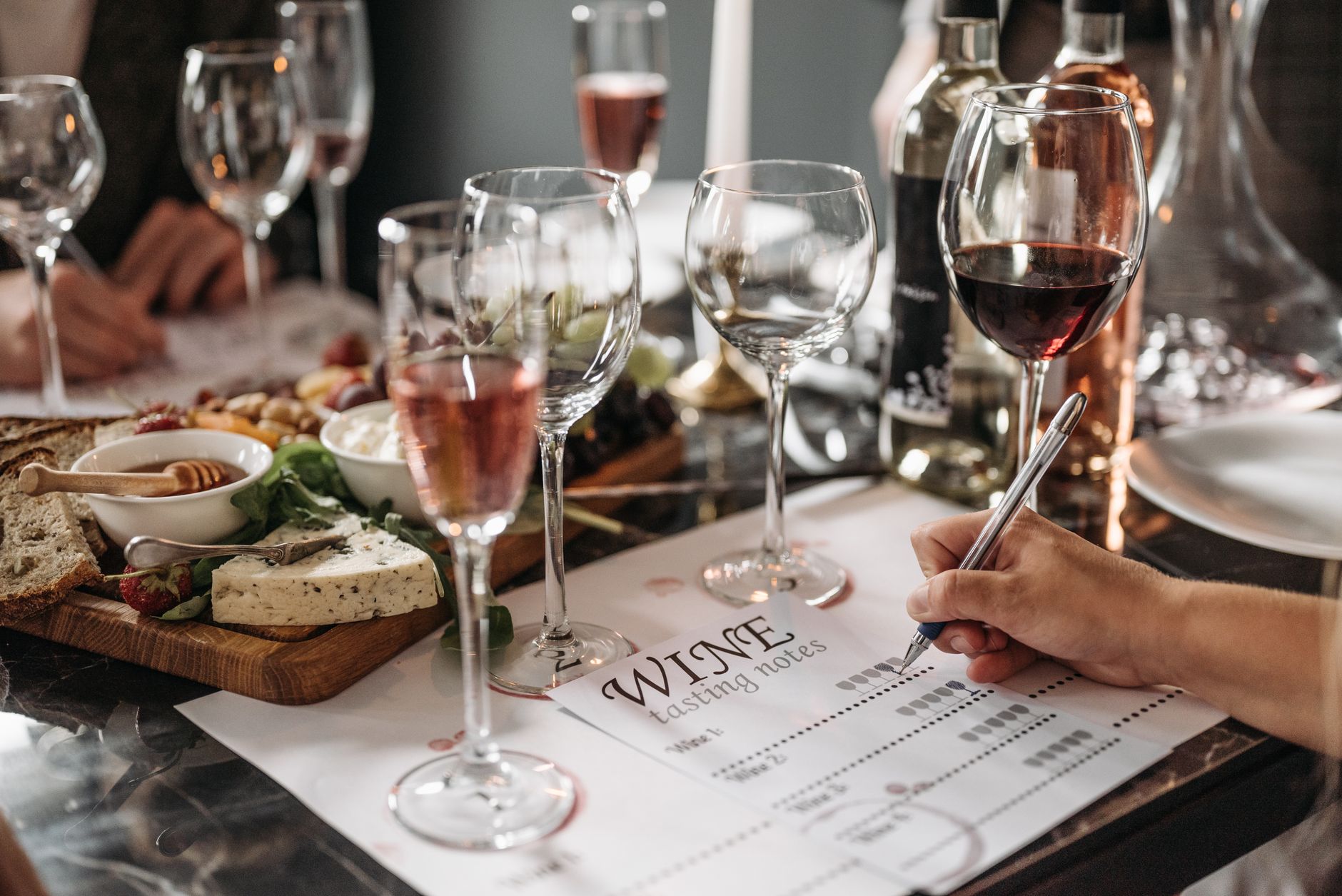
Wine professionals describe flavors using surprising references. “This Sauvignon Blanc has notes of cat pee.” “This Pinot smells like barnyard.” These aren’t insults; they’re accurate flavor descriptors. The challenge is developing the vocabulary to describe what you actually taste. Start with basic categories: Is it fruity or not? Does it smell like flowers, grass, or earth? Does it have vanilla notes from oak aging? Does it taste dry or sweet? Don’t aim for fancy descriptors initially. Even “tastes like cherries” or “has a bitter finish” provides useful framework. As you taste more wines, your vocabulary naturally expands. You’ll discover that some wines remind you of specific berries while others suggest dried fruit. Some evoke leather or spice. This descriptive development happens naturally through experience. Keep tasting notes. Write down your impressions immediately after tasting. Later, read them back. Over time, you’ll notice patterns—you consistently identify certain flavors in certain wine types. This self-awareness builds your tasting confidence.
Pairing Wines with Your Palate
Everyone’s palate is different. You might prefer crisp, acidic whites while your friend loves rich, buttery Chardonnay. Neither preference is wrong. The goal isn’t developing identical taste to wine experts; it’s developing understanding of your own preferences and why you have them. Once you understand that you prefer wines with high acidity, you can confidently select Rieslings or Vermentinos knowing you’ll enjoy them. If you discover you dislike tannic wines, you’ll avoid Cabernet Sauvignon and gravitate toward Pinot Noir instead. This self-knowledge transforms wine shopping from random selection into confident choosing based on genuine understanding.
Creating a Tasting Ritual
The most effective way to develop tasting skills is consistent practice. Dedicate time to intentional tasting. Gather three or four wines of similar type—maybe three different Sauvignon Blancs. Taste them back-to-back, noting differences. How does one differ from another? Which characteristics stand out? This comparative tasting accelerates learning dramatically. You notice differences you’d miss if tasting wines separately across weeks.
Elevate Your Wine Experience
Wine tasting transforms wine from background consumption into engaging exploration. You’ll discover complexity, develop preferences, and genuinely enjoy your wine more fully.