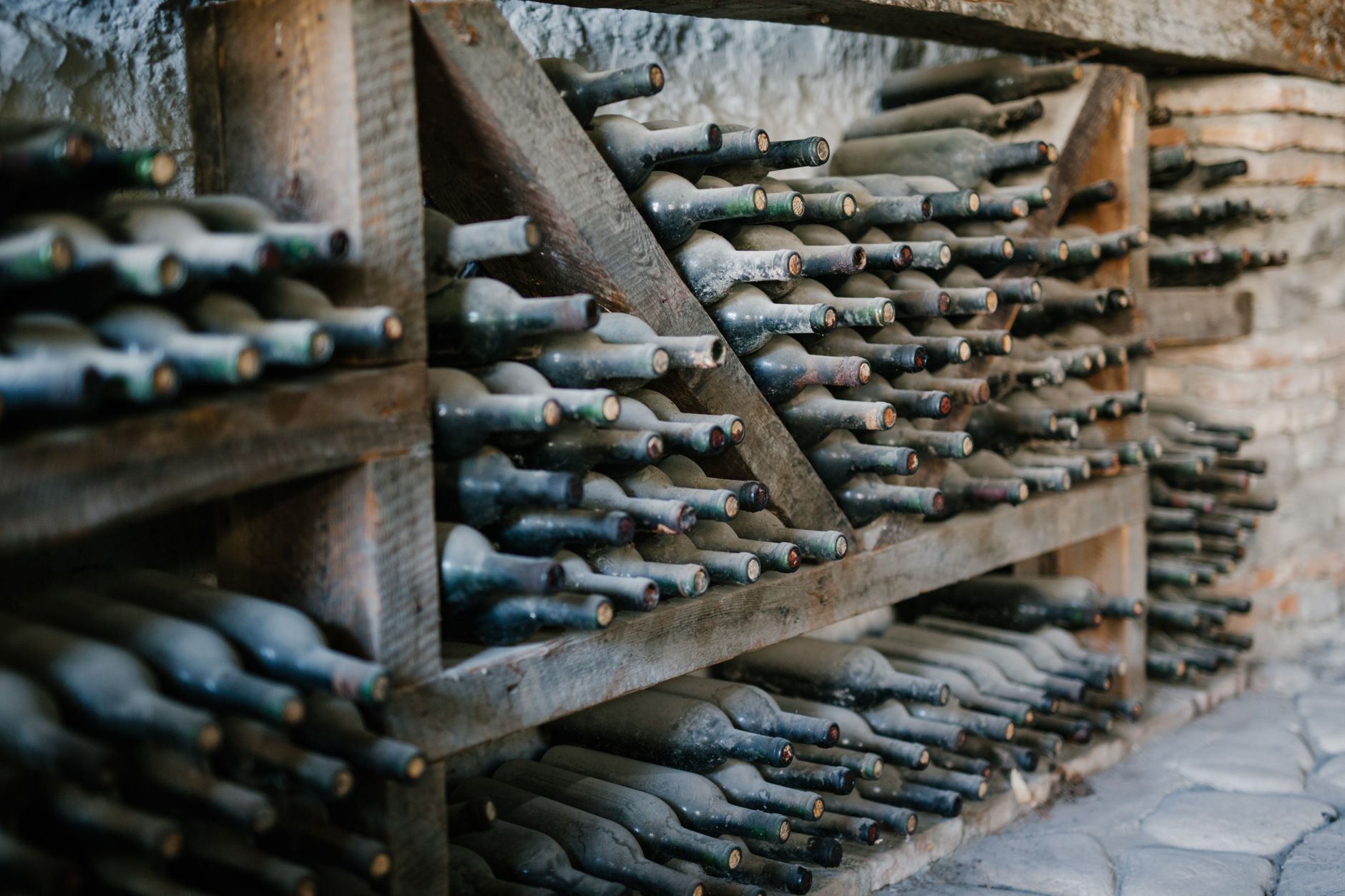
Build Your Wine Collection: A Beginner’s Guide to Selecting Bottles That Grow More Valuable Over Time
You stand in the wine shop staring at hundreds of bottles, completely overwhelmed. Which one should you buy? What makes one wine worth $15 and another worth $150? Why do wine enthusiasts obsess over vintage years? Should you be collecting wine, or is that just for wealthy snobs? These questions paralyze many people who’d like to explore wine but feel intimidated by the complexity. Here’s the truth: building a personal wine collection is far more accessible than it appears. You don’t need a wine cellar or immense budget. You don’t need to become an expert. You simply need a framework for understanding what you’re buying and why. Wine collecting serves multiple purposes simultaneously. You build a curated selection of bottles you actually want to drink. You potentially invest in bottles that appreciate in value. You develop expertise through hands-on experience. You create a foundation for entertaining guests with something special. Svinando specializes in exceptional bottles perfect for beginning a collection that brings genuine joy and potential investment returns.
The biggest mistake beginning collectors make is thinking they need to buy expensive bottles immediately. They see reviews praising some $200 wine and assume they should start there. This is backwards. Smart collectors start with affordable, well-made bottles. They taste widely across price points and regions. They develop understanding of what they genuinely enjoy. Then, as their palate develops, they invest in more premium selections. This approach avoids the common scenario where someone spends significant money on a highly-rated wine they don’t actually enjoy, simply because the critical consensus says they should. Your personal preferences matter infinitely more than critical scores. A wine you genuinely love and will actually drink is infinitely more valuable than an expensive bottle you feel obligated to save for a special occasion that never comes. Svinando’s carefully curated selection emphasizes quality at every price point, making it ideal for building a meaningful collection.
Understanding Wine Investment Potential

Certain wines actually appreciate in value over time. This isn’t magical thinking; it’s straightforward supply and demand. Limited production wines become harder to find as people drink them. If a winery produces only 5,000 bottles and the wine improves with age, those remaining bottles become more valuable. Historic vintages from renowned producers with excellent critical ratings consistently appreciate. A bottle of 1982 Château Lafite that cost $100 in 1985 might sell for $2,000 today. You don’t need to chase such extreme examples, but understanding the principle helps. Collectible wines share common characteristics: they come from prestigious producers, they have aging potential, they received strong critical ratings, they’re from limited production vintages. Burgundy, Bordeaux, and Tuscany wines consistently appreciate. So do certain California Cabernets. Port and high-quality Riesling from good producers often appreciate. Conversely, wines made to drink immediately—most whites and lighter reds—don’t appreciate. They’re meant for current enjoyment. A smart collection balances drinkable wines you’ll enjoy in the near term with bottles with aging potential.
The Importance of Storage Conditions
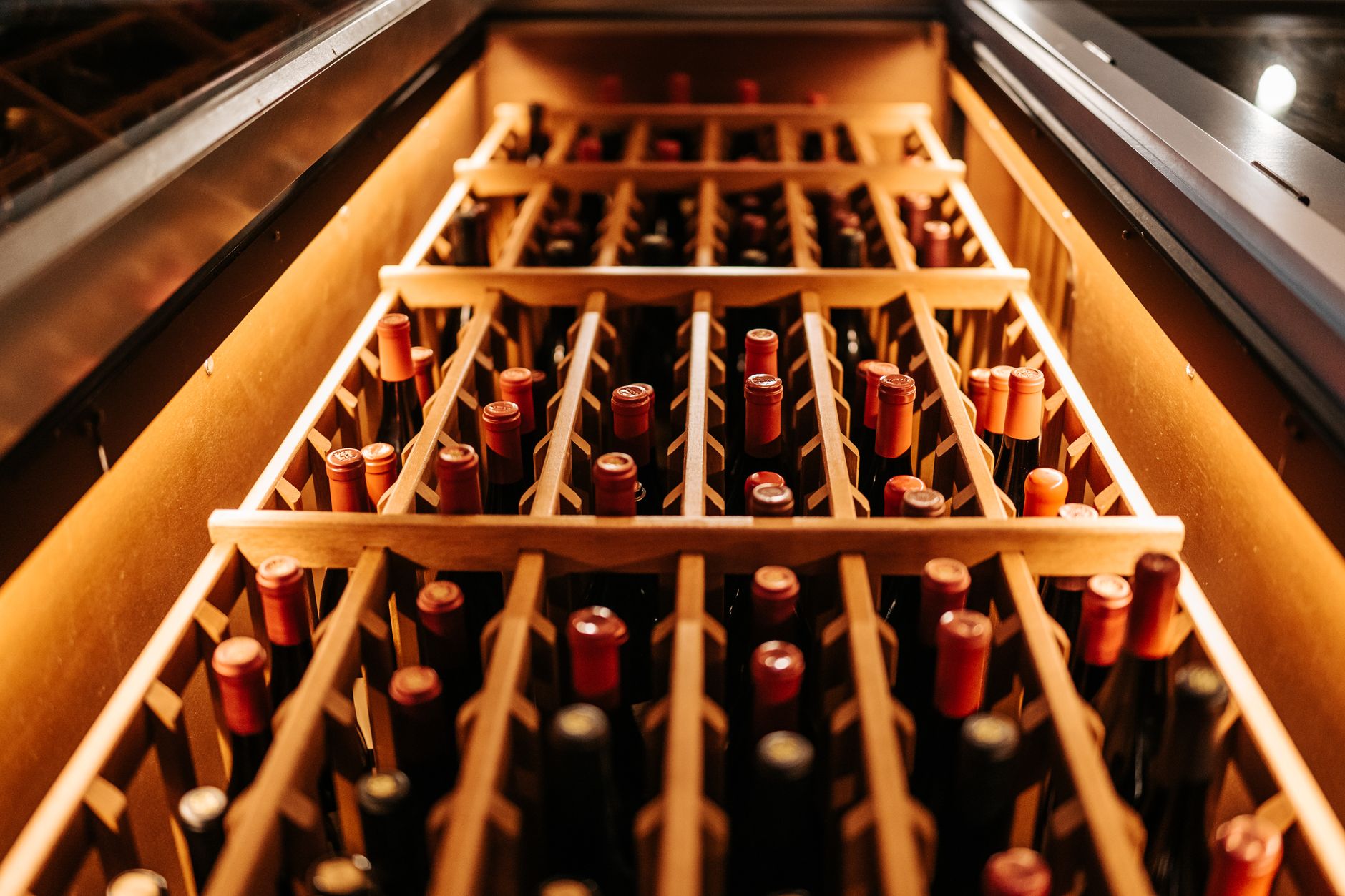

Wine is vulnerable to environmental damage. Heat is the primary enemy. Wine stored in warm conditions deteriorates rapidly. Proper storage requires consistent temperature around 45-65 degrees Fahrenheit. Humidity matters—too dry and corks dry out, too humid and labels mildew. Light, especially direct sunlight, degrades wine. These requirements don’t demand expensive wine cellars. A cool basement, under-stair storage closet, or wine refrigerator all work. Wine refrigerators specifically designed for aging maintain proper temperature and humidity. They’ve become affordable enough that serious collectors often invest in them early. Poor storage is the fastest way to ruin wine value. A highly collectible bottle stored in a warm garage loses its value and quality regardless of its potential. Conversely, the same bottle stored properly increases in value. If you’re investing in wines with aging potential, protecting that investment through proper storage is essential.
Starting Smart: Building Your Foundation

Begin your collection by experimenting across regions and styles. Buy one or two bottles from various producers. Taste them over time. Notice what you genuinely enjoy versus what you felt obligated to buy based on critical acclaim. Pay attention to price-to-enjoyment ratio. You’ll discover that some $20 wines bring more pleasure than $60 bottles. You’ll identify preferred regions and grape varieties. This exploratory phase teaches more than any wine book. From this foundation, develop a collection strategy. Perhaps you focus on Burgundy reds, building deeper knowledge of specific producers and vintages. Or you might prefer a diverse collection spanning regions and styles. You might focus on wines with aging potential or prioritize immediate drinking pleasure. There’s no right answer—just your answer based on your preferences and budget.
Documentation and Organization
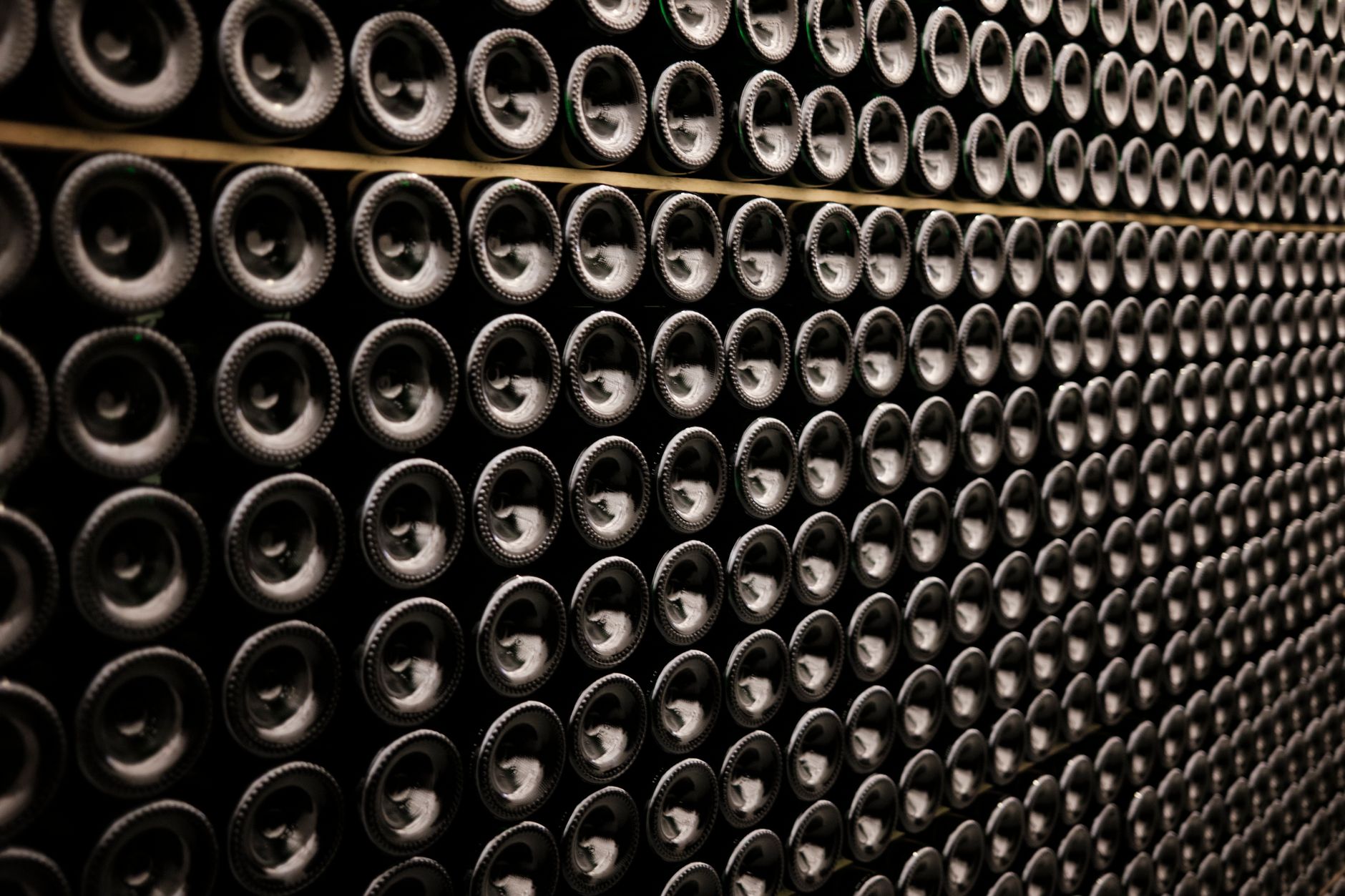
Keep records of what you own, where bottles are stored, and drinking windows. Simple spreadsheets work fine. Many apps now offer wine tracking. These records prevent drinking bottles prematurely or, worse, discovering decades later that an old bottle has deteriorated. You also track which bottles you’ve enjoyed and which disappointed you. This information guides future purchases. Over time, your collection becomes a documented journey through your developing palate.
The Joy of Collecting
Wine collecting blends multiple pleasures: the intellectual satisfaction of developing expertise, the sensory pleasure of tasting complex wines, the social aspect of sharing special bottles with friends, and the potential investment returns. Most collectors find that the journey matters more than any individual bottle.
Start Your Collection Today
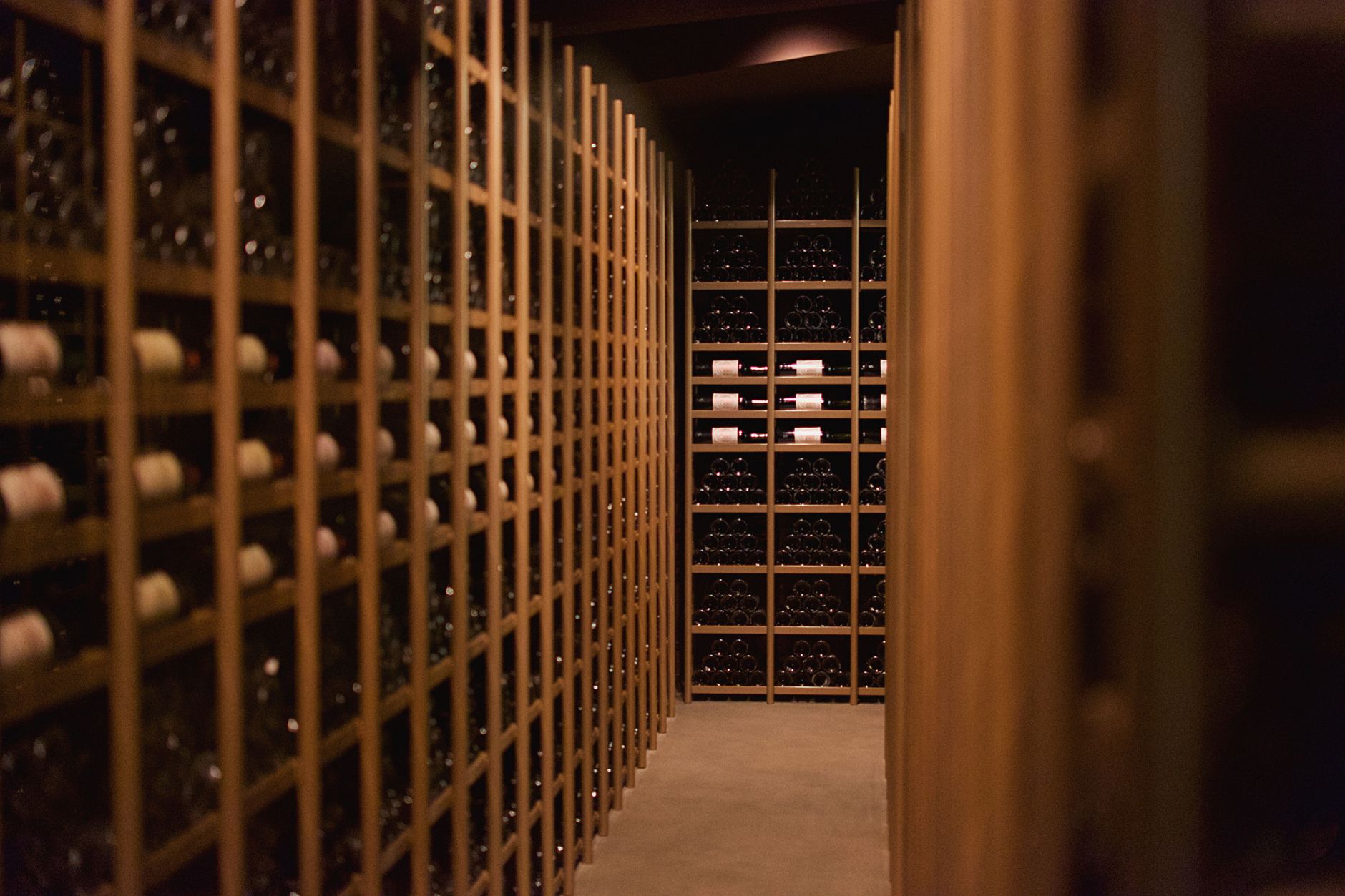
The best time to begin collecting wine is now. Choose bottles that appeal to you, store them properly, and enjoy the discovery process ahead.