


Creating Your Perfect Sleep Environment: Transform Your Bedroom Into a Sleep Sanctuary
Your bedroom environment directly impacts your ability to achieve deep, restorative sleep. Yet many people neglect bedroom design, allowing distractions and poor conditions to undermine sleep quality. Transforming your bedroom into a sleep sanctuary—a space optimized for rest—produces immediate improvements in sleep quality and daytime functioning. This transformation doesn’t require complete renovation or significant expense; strategic choices about lighting, temperature, sound, and comfort create remarkable improvements. When your bedroom becomes a place your nervous system recognizes as safe for rest, sleep comes easier and feels deeper. Sleep-optimized bedroom design provides guidance for creating the sleep environment supporting your best rest. Small adjustments to your bedroom environment produce surprising improvements in sleep quality.
Darkness as Essential Sleep Ingredient
Light exposure signals your brain to stay alert and wakeful. Darkness signals your body to produce melatonin, the hormone enabling sleep. Yet many bedrooms allow excessive light from street lamps, clocks, electronics, or windows. Complete darkness or near-complete darkness optimizes melatonin production. Blackout curtains eliminate external light. Covering electronics that glow prevents light exposure disrupting sleep. If complete darkness feels uncomfortable, very dim light—sufficient for safety but not sleep disruption—provides acceptable compromise. The darker your sleep environment, the easier deep sleep comes. This simple environmental change often produces dramatic sleep improvements.
Temperature Control for Optimal Sleep
Your body’s natural sleep process involves cooling. Cooler environments (around 65-68 degrees Fahrenheit for most people) support this cooling and facilitate sleep. Bedrooms that are too warm prevent proper temperature regulation, causing restlessness and waking. Overheated sleep environments reduce deep sleep time and slow-wave sleep quality. Conversely, excessively cold rooms create discomfort. Finding your personal comfort temperature—typically slightly cool—optimizes sleep. Adjustable bedding allows temperature adjustment without adjusting home temperature. Temperature management often proves one of the quickest paths to sleep improvement.
Sound Management for Undisturbed Sleep
Unexpected noises repeatedly wake you throughout the night, preventing deep sleep consolidation. While you can’t eliminate all sound, minimizing disruptive noise improves sleep significantly. White noise machines or apps mask disruptive sounds with consistent, non-alarming noise. Ear plugs provide sound isolation. Removing alarm clocks with loud notifications prevents sudden waking. Heavy curtains provide some sound insulation. Sound-optimized sleep environments allow undisturbed sleep supporting full sleep cycle completion. Quiet sleep environments often make surprising differences in sleep quality.

Electronics Exclusion and EMF Reduction
Bedrooms filled with electronics create multiple sleep disruptions. Phone notifications wake you with light and sound. Blue light from screens suppresses melatonin production. Electromagnetic fields from electronics may affect sleep quality. Creating technology-free or technology-limited bedrooms improves sleep. Keeping phones outside the bedroom prevents nighttime checking and notifications. Removing televisions eliminates both stimulation and light. Removing electronics isn’t deprivation—it’s prioritizing sleep by eliminating sleep sabotage.
Quality Bedding as Sleep Sanctuary Foundation
Your physical contact is through bedding for eight hours—bedding quality significantly affects comfort and sleep. High-quality sheets feel luxurious while supporting temperature regulation. Quality pillows maintain proper head and neck support. Quality mattresses support proper spinal alignment. Premium bedding systems create physical comfort supporting deep sleep. Investing in quality bedding transforms bedroom from basic sleeping space into true sanctuary.

Aromatherapy and Scent for Sleep Enhancement
Certain scents naturally promote relaxation and sleep. Lavender, chamomile, sandalwood, and ylang-ylang have demonstrated sleep-promoting properties. Gentle scent diffusion—essential oil diffusers or simple bowls of dried herbs—provides sleep support without overwhelming smell. Avoid strong artificial fragrances that stimulate rather than relax. Natural scents supporting relaxation enhance sleep sanctuary atmosphere. Many people find aromatherapy produces noticeable sleep improvements.
Bedroom Purpose and Boundary Setting
Bedrooms used primarily for sleep support better sleep than multi-use spaces. If your bedroom includes work space, exercise equipment, or entertainment systems, your brain doesn’t associate it with rest. Keeping bedroom dedicated to sleep and relaxation strengthens mental association between bedroom and rest. If space prevents this, creating clear boundaries—work space behind screens, electronic devices in drawers—helps mentally separate sleep space from other functions.
- Eliminate light with blackout curtains and electronic coverings.
- Maintain cool temperature around 65-68 degrees Fahrenheit.
- Manage sound through white noise or noise reduction.
- Remove electronics to prevent disruption and blue light.
- Invest in quality bedding supporting comfort and temperature regulation.
- Add gentle aromatherapy supporting relaxation.
- Dedicate bedroom primarily to sleep and relaxation.
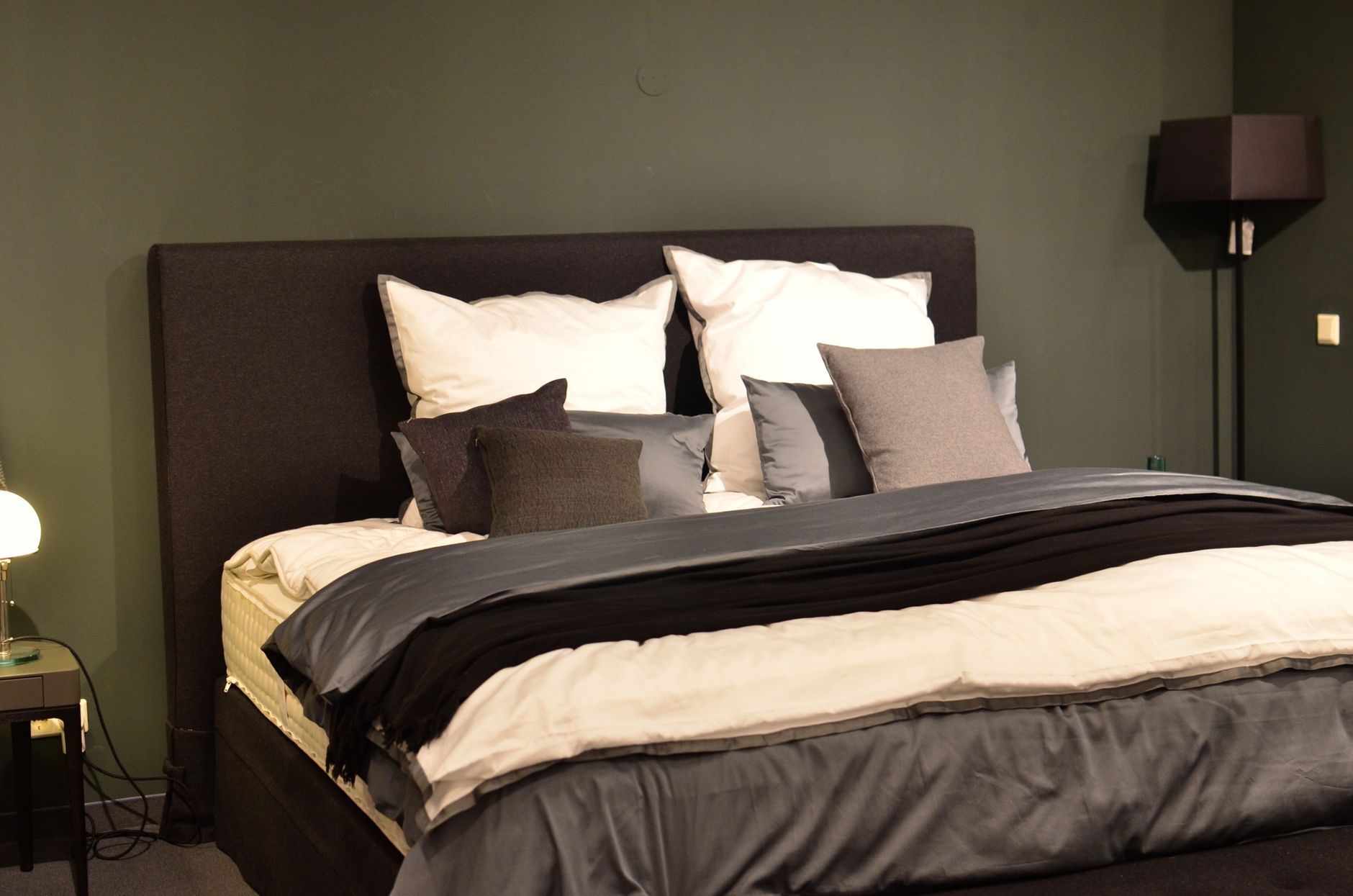
Transform your bedroom into sleep sanctuary supporting your best rest. Happy Beds provides quality bedding and sleep solutions supporting your sleep sanctuary. Create the environment your body deserves for deep, restorative sleep.