

Master the Art of Espresso at Home with L’Espresso Equipment and Technique
The difference between a home barista and someone who just has a machine at home isn’t the equipment—it’s knowledge, practice, and a commitment to the craft. L’Espresso believes that anyone willing to invest attention and effort can produce exceptional espresso. This guide walks you through the techniques and practices that transform you from amateur to accomplished home barista.
Espresso mastery isn’t mysterious or inaccessible. It’s a combination of understanding the science, selecting quality equipment from L’Espresso, and then practicing until your hands develop the intuitive feel that separates great from mediocre. The investment is small but rewarding.
Sourcing Quality Beans for L’Espresso Brewing
Excellent espresso begins with excellent beans. Unlike drip coffee, where coarser grind and longer extraction time can mask mediocre bean quality, espresso extracts the true essence of your beans. This means buying from specialty roasters who roast fresh, in-house, specifically for espresso.
L’Espresso recommends beans roasted within the last two weeks. Fresher than that and CO2 gases interfere with proper water contact; older than a month and the oils begin to go rancid. Temperature and light exposure matter too—store beans in opaque, airtight containers, away from heat and sunlight.
Lighter roasts can work in espresso, though darker roasts are traditional. L’Espresso beans typically come in espresso-specific roasts optimized for the high pressure and temperature of espresso extraction. Start with tried-and-true espresso roasts while developing your palate.
The Critical Grind: Consistency Is Everything
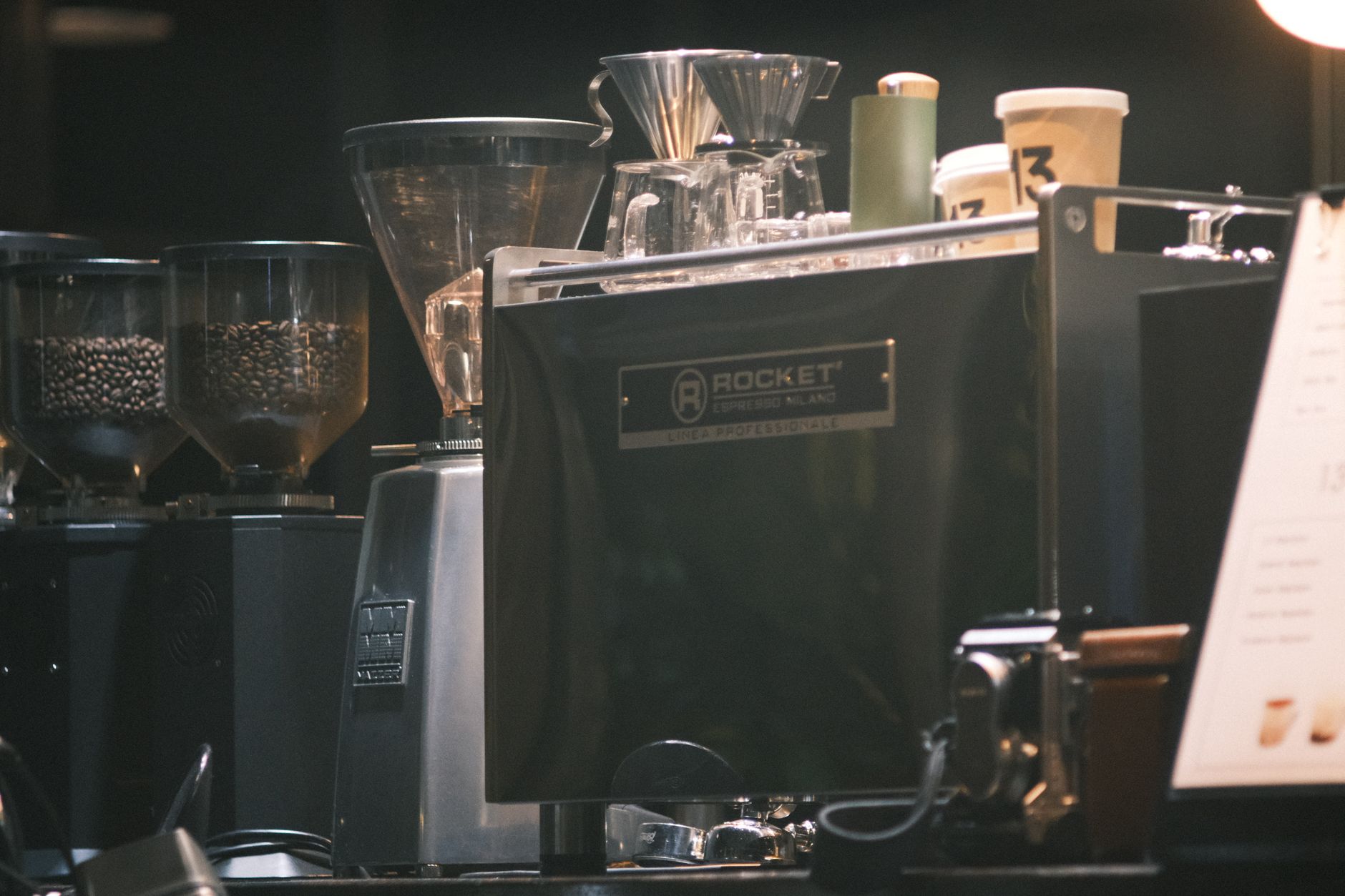
The moment you grind beans, oxidation accelerates and aromatics begin to disappear. Always grind immediately before brewing. L’Espresso grinders with adjustable settings let you dial in the perfect consistency for your machine and beans.
Espresso requires an extremely fine, consistent grind. Sand-like texture is your target—not flour-like powder, not coarse particles. Inconsistency is the primary cause of poor espresso. If your grinder produces uneven particles, some grounds will over-extract (bitter) while others under-extract (sour).
Invest in a quality burr grinder from L’Espresso. This single component has more impact on espresso quality than anything except perhaps the beans themselves.
Tamping and Distribution Technique
Tamping is applying even pressure to compact your ground coffee into the portafilter basket. The goal is creating a consistent density throughout your dose so water flows evenly. Uneven density creates channeling—water rushes through gaps, over-extracting some grounds while under-extracting others.
L’Espresso recommends using about 30 pounds of pressure (roughly your body weight pressing straight down through your arm). The pressure matters less than consistency and evenness. A level tamp is critical. Invest in a quality tamper, ideally one with a flat base that matches your portafilter basket diameter.
Many L’Espresso enthusiasts use distribution tools that break up clumps before tamping, ensuring more uniform density. This extra step elevates your espresso quality noticeably.
Water Temperature and Extraction Timing
Your L’Espresso machine should maintain water temperature between 195-205°F (90-96°C). Cooler water under-extracts (sour, thin espresso); hotter water over-extracts (bitter, harsh). Consistency is critical.
Extraction should take 25-30 seconds from water contact to espresso flowing from the portafilter. Too fast and you have under-extracted espresso; too slow and you’ve over-extracted bitter compounds. If your shot pulls too fast, you likely need finer grind or more tamping pressure. If it’s too slow, you need coarser grind or lighter tamping.
Milk Steaming Mastery
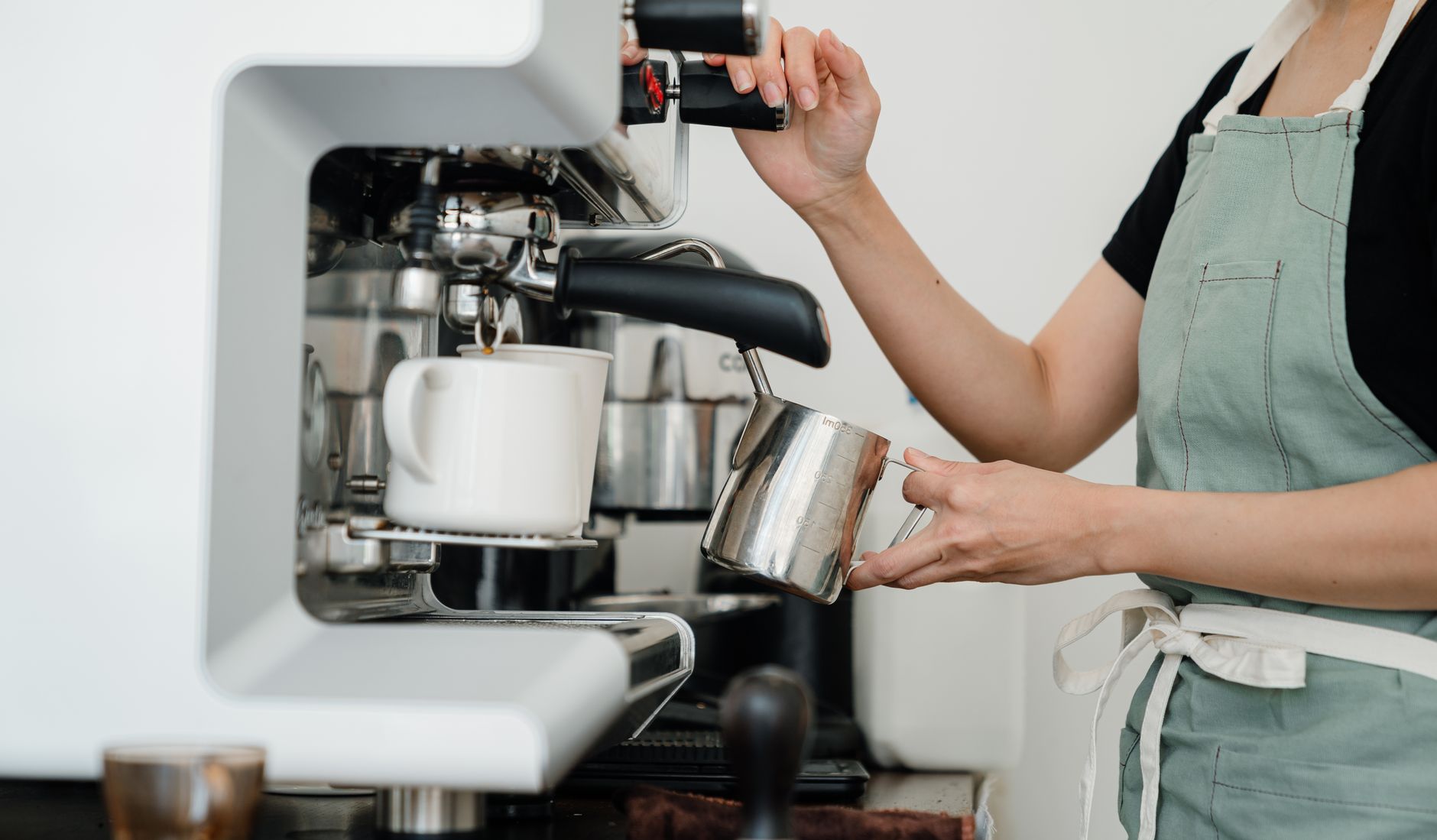
Quality milk preparation elevates espresso drinks immensely. L’Espresso machines with capable steam wands let you create silky microfoam that transforms the mouthfeel and appeal of cappuccinos and lattes. The technique involves positioning the steam wand just below the milk surface (creating the “texturing” phase where air incorporates), then submerging it deeper to heat the milk without creating large bubbles.
The goal is microfoam—tiny, uniform air bubbles that create silky texture, not large foam sitting on top. This takes practice, but with a quality steam wand from L’Espresso, you can develop this skill within several weeks of regular practice.
Dialing In Your Espresso
“Dialing in” means adjusting your grind, dose, and tamping to achieve the perfect extraction for your specific beans and machine. L’Espresso experts recommend starting with a baseline (perhaps 18 grams of beans for a double-shot), pulling a shot, and evaluating the result. If it pulled too fast, grind finer. If too slow, grind coarser. Repeat until you achieve 25-30 second extraction time.
Dialing in is ongoing. Different beans, different humidity levels, and even different times of day can affect how your grind performs. This isn’t a weakness; it’s the joy of the craft. L’Espresso enthusiasts embrace this constant refinement.
Equipment Care and Maintenance
Your L’Espresso machine will serve you for years if properly maintained. Daily purging of water lines and portafilter removal between shots prevents oil buildup. Weekly backflushing of the group head (where applicable) keeps the internals clean. Descaling monthly with appropriate solutions removes mineral deposits.
Your Espresso Journey
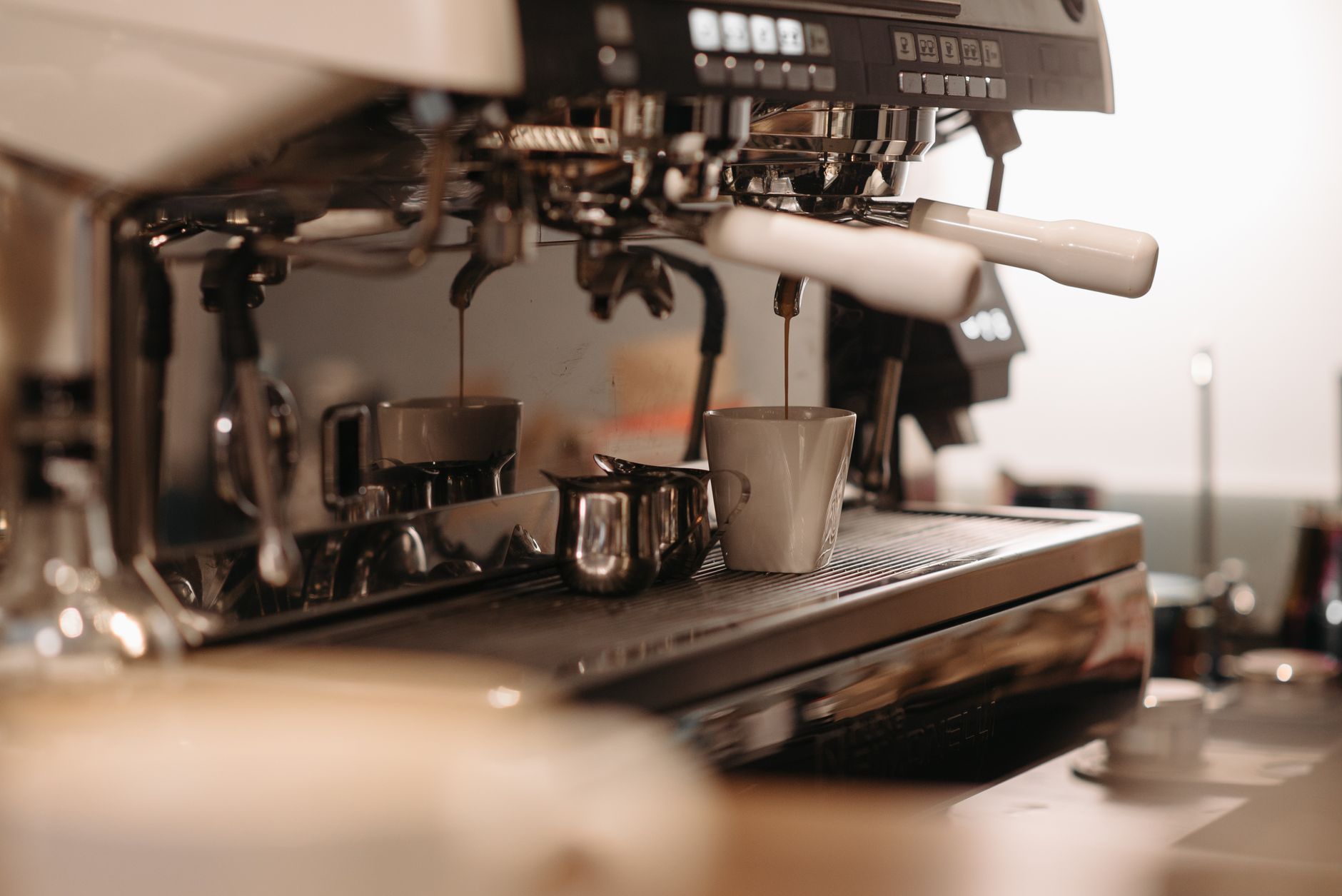
Becoming a skilled home barista is entirely achievable. Start with quality equipment from L’Espresso, commit to learning the technique, and embrace the practice. Within weeks you’ll be producing espresso that rivals café quality. The ritual, the learning process, and the daily pleasure of exceptional coffee make this a deeply rewarding pursuit.