
Orchestral Composition and Film Scoring: Creating Cinematic Soundtracks
Film and game music requires sophisticated orchestration creating emotional depth and cinematic impact. Spitfire Audio specialises in orchestral sampling enabling composers creating professional film scores without massive orchestral budgets. Understanding orchestral writing, arrangement techniques, and orchestration principles enables creating cohesive cinematic compositions. Sampled orchestras provide authentic instruments capturing the nuanced characteristics essential for believable orchestrations. Modern composers leverage digital tools creating scores rivalling traditional orchestral recordings while maintaining complete creative control.
Film scoring demands understanding narrative, visual dynamics, emotional timing, and orchestral writing creating complementary musical accompaniment.
Understanding Film Score Functions and Musical Storytelling
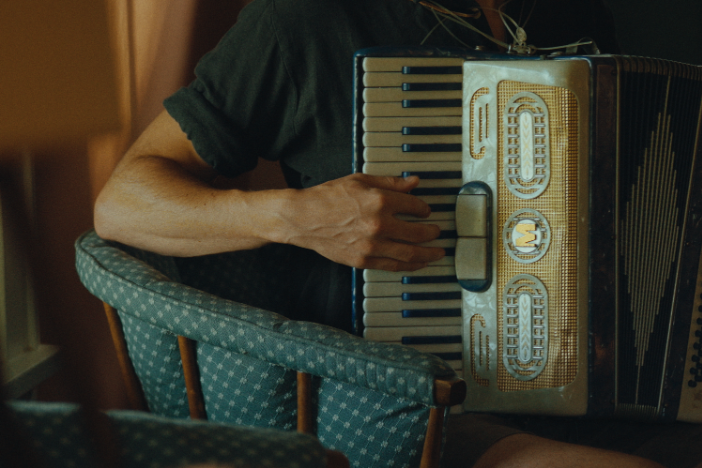
Effective film scores communicate emotion, establish atmosphere, highlight narrative moments, and enhance psychological impact. Spitfire Audio orchestral libraries provide instruments enabling sophisticated musical storytelling. Leitmotifs—recurring themes associated with characters or concepts—create narrative cohesion. Harmonic progression conveys emotional content—major keys suggest hope while minor keys imply melancholy. Orchestration choices enhance dramatic impact through selective instrument choices.
Score timing requires synchronising precisely with visual action and dialogue. Temp tracks (temporary music) guide composers establishing emotional tone. Understanding film editing reveals where music enhances transitions and emotional beats. Spotting sessions with filmmakers clarify expectations ensuring music serves film intentions. Collaborative composer-filmmaker relationships produce optimal results balancing creative vision with film requirements.
Orchestration Fundamentals and Instrument Selection
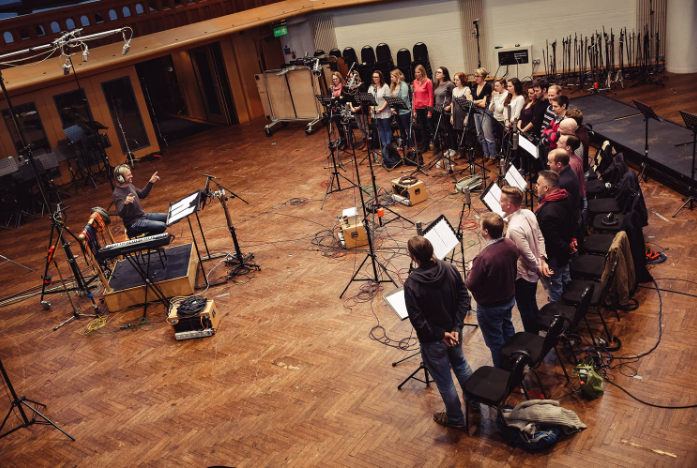
Orchestration determines sonic character and emotional communication through instrument selection and arrangement. Spitfire Audio provides comprehensive orchestral sections enabling authentic orchestration. String sections—violins, violas, cellos, basses—provide harmonic foundation and emotional warmth. Brass instruments—trumpets, trombones, French horns, tuba—deliver power and impact. Woodwinds—flutes, oboes, clarinets, bassoons—add colour and texture. Percussion—timpani, snare, cymbal, mallet instruments—provide rhythmic definition and dramatic emphasis.
Understanding instrument ranges, timbral characteristics, and traditional combinations enables effective orchestration. Balance between sections requires careful dynamic control—strings dominating would bury important brass passages. Doublings—layering instruments playing identical lines—create thickness without cacophony. Orchestration colour significantly affects emotional communication—bright flute melodies suggest lightness while dark bassoon writing implies menace
Harmonic Language and Emotional Expression
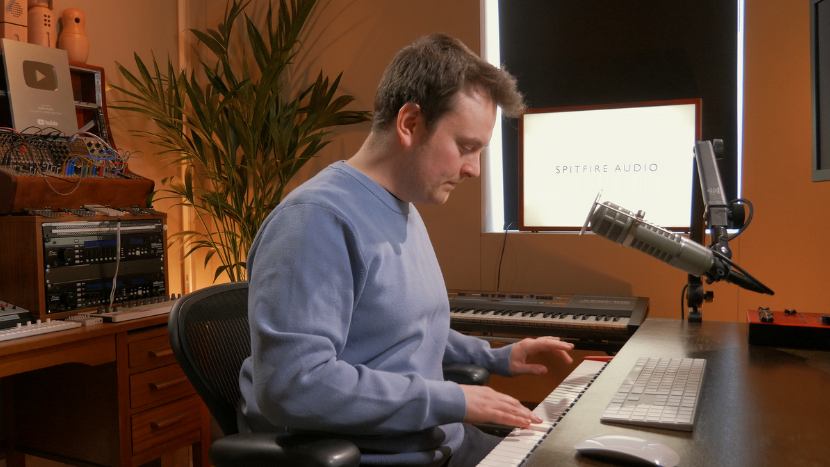
Harmonic choices profoundly affect emotional communication and compositional coherence. Spitfire Audio enables exploring diverse harmonic approaches from traditional tonality through contemporary extended harmony. Consonant chords suggest stability and resolution while dissonant harmony creates tension. Harmonic progression speed affects pacing—slow changes suggest contemplation while rapid chord changes generate excitement. Voice leading—smooth, logical movement between chord tones—creates melodic elegance.
Modal harmony employs church modes creating distinct emotional colours—Dorian suggests darkness, Lydian implies dreaminess, Phrygian conveys exoticism. Chromatic harmony—unexpected accidentals—creates surprise and emotional complexity. Polytonality—layering multiple tonal centres—generates sophisticated harmonic richness. Understanding harmonic function enables strategic deployment creating intended emotional impact.
Melody Writing and Thematic Development
Memorable melodies form film score foundations enabling audience emotional connection and thematic recognition. Spitfire Audio instruments enable executing nuanced melodic ideas. Strong melodies balance singability with distinctive character. Contour—the shape of melodic lines—affects memory and emotional impact. Angular, disjunct melodies create energy while smooth, conjunct lines suggest lyicism. Repetition with variation maintains recognisability while preventing monotony.
Thematic development—musical evolution through compositional techniques—creates sophisticated scores. Fragmentation breaking themes into constituent motifs enables flexible usage. Augmentation expanding time values creates grandeur. Inversion flipping melodic contour provides contrast. Orchestration changes within identical melodic material create dramatic emphasis. Leitmotif integration—weaving character themes throughout score—creates narrative coherence
Synchronisation and Spotting Decisions
Perfect synchronisation between music and visuals determines score effectiveness. Spitfire Audio enables precise timing through DAW editing capabilities. Identifying key moments—dialogue emphasis, action beats, emotional climaxes—guides compositional focus. Mickey Mousing—overly literal musical representation—risks appearing cartoonish while deliberate space creates sophisticated underscoring. Understanding silence proves equally important—musical absence heightens impact.
Cue structure—beginning, development, and ending placement—requires strategic planning. Anticipatory music prepares audiences emotionally. Underscore supporting dialogue requires careful volume management preventing interference. Action music must enhance without overwhelming visuals. Emotional climaxes demand musical support emphasising narrative significance.
Digital Orchestration Techniques and Articulation Control
Sampled orchestras require understanding articulation expression enabling authentic performance simulation. Spitfire Audio libraries provide extensive articulations—legato, staccato, pizzicato, tremolo—requiring thoughtful application. Velocity variation simulates dynamic performance nuance. Expression mapping enables continuous timbre control. Careful articulation switching prevents jarring transitions disrupting musical flow.
Humanisation techniques—subtle timing variation and dynamics expression—combat digital sterility. Layer multiple articulations creating organic blending. Reverb application establishes spatial context. Panning placement creates stereo imagery enhancing orchestral realism. Understanding sample library architecture enables efficient navigation accessing appropriate instruments and articulations
Emotional Pacing and Dramatic Arc
Successful film scores track film’s emotional journey creating supportive musical narrative. Spitfire Audio enables sophisticated musical storytelling. Quiet introspective moments require subtle orchestration maintaining emotional focus. Action sequences demand energetic orchestration with powerful instrumental combinations. Emotional climaxes necessitate full orchestration conveying maximum dramatic weight.
Restraint enhances impact—overusing full orchestra diminishes dramatic effectiveness. Sparse instrumentation during quiet moments emphasises delicate emotion. Gradual orchestration building creates mounting tension. Strategic silence punctuates musical statements increasing impact. Understanding dramatic timing through film editing guides musical decisions.
Creative Film Score Development
Your film scoring journey combines technical mastery, creative vision, and collaborative teamwork. Spitfire Audio provides professional tools enabling ambitious cinematic compositions. Studying renowned film composers reveals sophisticated orchestration and thematic development. Practising with film clips develops synchronisation skills. Attending film music conferences connects with industry professionals. Your dedication to orchestral craft produces original scores capturing emotional depth and cinematic grandeur elevating films through powerful musical accompaniment