Why Everyone Should Learn CPR and First Aid: A Lifesaving Skill That Could Save Your Loved Ones
Imagine walking into a room where someone collapses. Their chest isn’t rising, and they’re not responding to your voice. In that terrifying moment, most people freeze. They don’t know what to do. They frantically reach for their phone to call 911, hoping the dispatcher’s voice will somehow fix everything. But here’s the heartbreaking truth: in those precious first minutes, a trained bystander could make the difference between life and death. Every year, thousands of people die from cardiac arrest outside of hospitals, many in the presence of people who simply didn’t know CPR. The tragedy isn’t just that lives are lost, it’s that many of those lives could have been saved with just a few hours of training. Learning CPR and first aid isn’t about becoming a hero; it’s about becoming prepared for the moments when ordinary people are called to act. CPR AED Course offers accessible training that transforms anyone into someone capable of saving lives.
The statistics are sobering. Sudden cardiac arrest kills approximately 350,000 people annually in the United States alone, and 90 percent of those occur outside of a hospital setting. When someone collapses, immediate CPR can double or even triple their chances of survival. But here’s where it gets worse: survival rates drop about 10 percent for every minute that passes without CPR or defibrillation. That means the first five minutes are absolutely critical. Emergency services might take ten minutes or more to arrive, depending on location. That’s why training the general public in CPR is one of the most effective public health interventions available. It’s not glamorous, and you might never need to use it. But on the day you do, you’ll be grateful you learned. CPR AED Course provides the training that bridges that critical gap between collapse and professional help arrival.
Understanding What CPR Actually Does
Many people have misconceptions about CPR. They imagine dramatic scenes from medical shows where compressions magically restore consciousness. In reality, CPR is far simpler and also far less dramatic. CPR’s job is not to restart a heart. Its job is to keep oxygenated blood flowing to the brain and other vital organs while waiting for professional help to arrive. By performing chest compressions at a rate of 100-120 compressions per minute, you’re manually pumping blood through the body. You’re buying time. You’re keeping the brain alive. That’s it. That’s the entire goal. Modern CPR has actually become easier in recent years. The old guidelines recommended rescue breaths, mouth-to-mouth breathing, but current recommendations suggest hands-only CPR in many situations, which simply means continuous chest compressions without stopping for breaths. This is not only easier but also just as effective for most cardiac events.
The Power of AED Training Alongside CPR
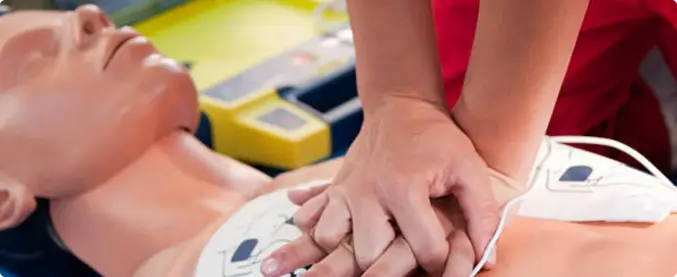
If CPR is about keeping blood flowing, AED training teaches you to use the tool that might actually restart the heart. An automated external defibrillator is a surprisingly simple device, despite its intimidating name. The device analyzes the victim’s heart rhythm and, if it detects a shockable rhythm, delivers an electrical shock designed to reset the heart’s rhythm. These devices are now found in airports, shopping malls, schools, and office buildings across the country. Yet many people walk past them without knowing what they are or how they work. CPR AED Course training teaches you not to fear these devices but to embrace them as tools that dramatically increase survival odds. The beauty of modern AEDs is that they’re designed to be used by anyone, even untrained bystanders. The device talks you through the process. But knowing the basics before that moment of crisis means you can act confidently rather than hesitantly. That confidence and speed could mean the difference between a full recovery and permanent brain damage.
First Aid: Beyond CPR
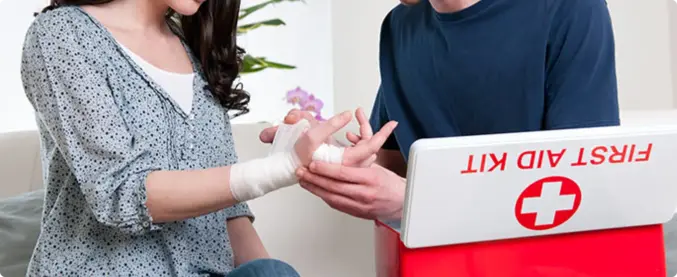
While cardiac arrest gets the most dramatic attention, comprehensive first aid training covers a much broader range of medical emergencies. Serious bleeding, for example, kills more people than most realize. Knowing how to recognize shock and apply proper pressure and elevation techniques can literally stop a bleed that would otherwise be fatal. Choking, especially common in children and elderly people, can be reversed with knowledge of the Heimlich maneuver. Severe allergic reactions require quick action with an epinephrine auto-injector, and knowing where to inject and when to call 911 can prevent anaphylactic death. Stroke recognition has become critically important because time-sensitive treatments exist if victims reach hospitals quickly. First aid training teaches you to recognize the signs of stroke and get help immediately. Bone fractures, severe burns, poisoning, heat stroke—the list of medical emergencies first aid prepares you for is extensive.
Why CPR Training Matters at Home
The most likely people to suffer cardiac arrest in your presence are your family members. Statistically, you’re more likely to need these skills for someone you love than for a stranger. Yet most families have never had a single member trained. Imagine being present when a parent, spouse, or child suddenly collapses. Imagine knowing exactly what to do instead of standing frozen while precious minutes slip away. That’s not to induce guilt but to illuminate an opportunity. By getting trained, you’re not just becoming a potential helper for strangers; you’re becoming your family’s first line of defense. CPR AED Course training gives you the tools to act when it matters most.
The Certification Itself Is the Beginning
Getting CPR and first aid certification isn’t the end of your journey, it’s the beginning. Your certification typically lasts two years, after which you need a refresher. That’s actually good policy because skills fade without practice. Between certifications, many people engage in occasional practice runs—just reviewing the steps in their mind or with videos. Some workplaces regularly conduct practice drills. The point is that these skills improve with reinforcement. Don’t think of certification as a card you earn and then forget. Think of it as a foundation you build and maintain.
Where to Get Trained
CPR AED Course offers accessible training options that fit various schedules and learning styles. Whether you prefer in-person classes where you practice on actual mannequins or online courses followed by skills testing, quality options exist. The investment, typically a few hours and fifty to one hundred dollars, is remarkably small compared to the potential impact. Many employers require CPR certification and some even offer free training. Schools increasingly teach CPR to high school students. The infrastructure for training is expanding because society is recognizing the value.