

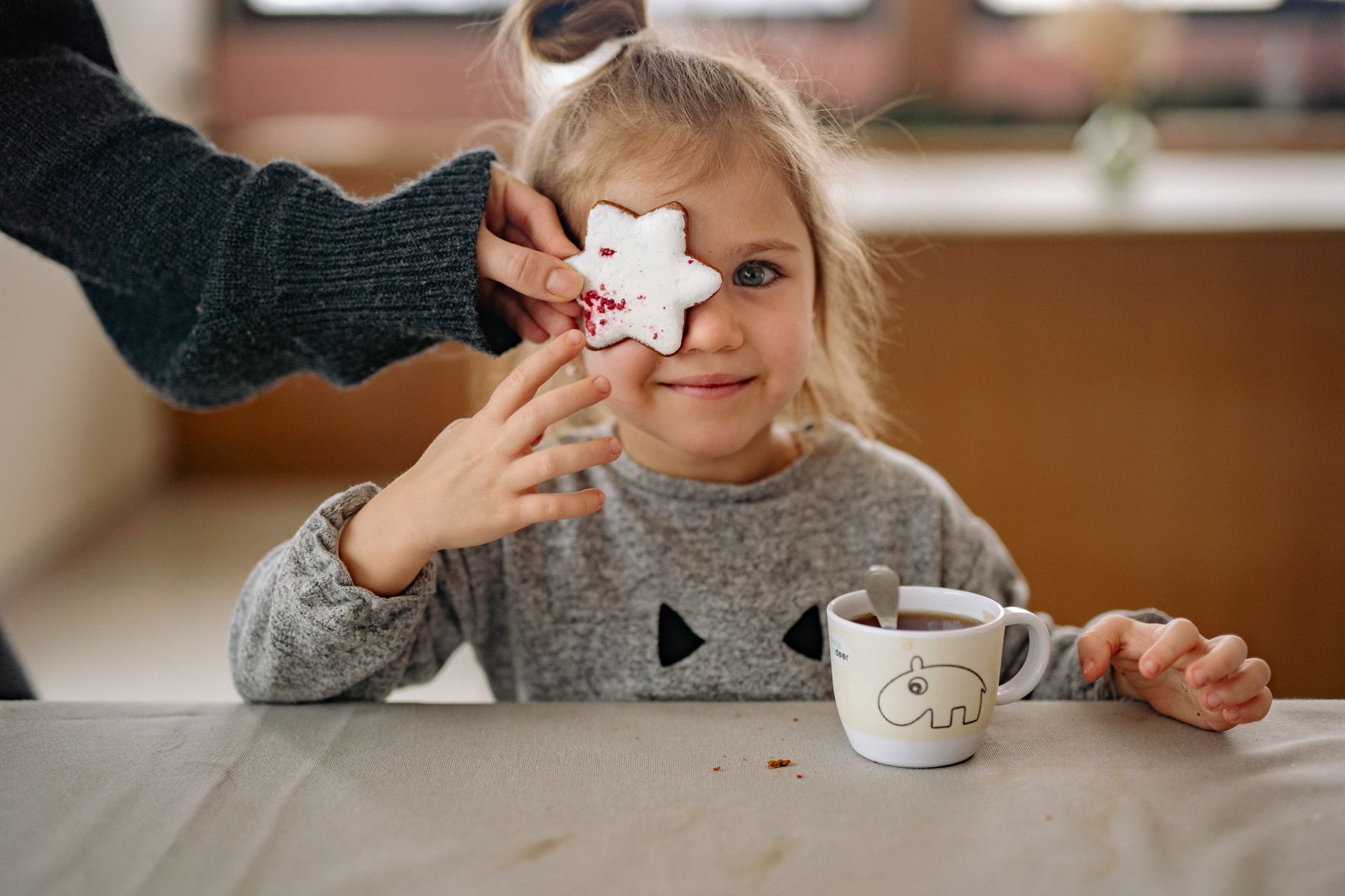
Creating Joyful Moments: Gift Ideas That Bring Smiles to Children
Childhood moments of pure joy create memories that last lifetimes. Whether you’re shopping for birthdays, holidays, or special occasions, selecting gifts that genuinely delight children requires understanding what brings lasting happiness rather than temporary excitement. The best gifts inspire imagination, encourage play, support skill development, and create spaces for connection between children and the adults in their lives. Thoughtful gift selection demonstrates care while investing in a child’s growth and happiness.
Understanding Different Types of Play and Development
Child development experts identify multiple play types that support different growth areas: imaginative play develops storytelling and creative thinking, physical play builds strength and coordination, social play develops communication and empathy, and constructive play develops problem-solving skills. Quality gifts often support multiple play types simultaneously. A well-chosen toy encourages the child to invent scenarios, interact with peers, move their body, and solve creative challenges. Understanding these play types helps you select gifts that seem fun on the surface while actually supporting the child’s developmental journey in subtle, powerful ways.
The Magic of Imaginative Play
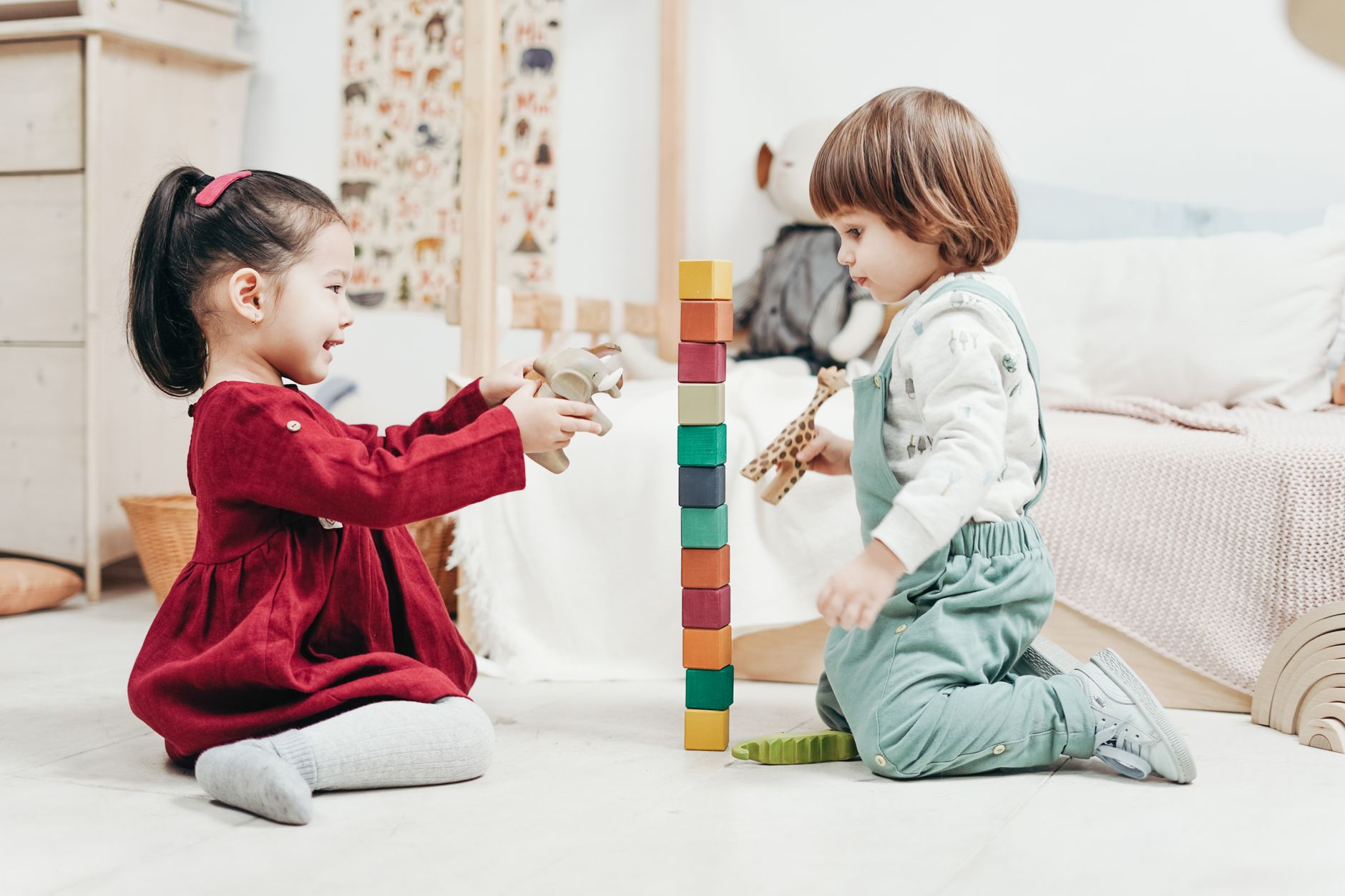
The most transformative gifts are those that spark imagination rather than prescribing exactly how to play. Open-ended toys that can become anything the child envisions encourage creativity that closed-ended toys cannot match. A set of blocks becomes a castle, a robot, a city, or whatever the child’s mind creates. Simple figurines inspire elaborate stories and adventures. These imaginative gifts develop critical thinking skills while entertaining for years as the child’s play evolves and deepens. Thoughtfully designed toys understand that a child’s imagination is the most powerful play tool available, and gifts that unlock that imagination provide value far beyond their purchase price.
Quality Materials and Safety Considerations
Parents and gift-givers have legitimate concerns about toy safety and quality. Well-made toys withstand rough handling without breaking easily or creating sharp edges and hazards. Non-toxic materials protect against health risks from prolonged contact. Thoughtful construction means pieces stay in place rather than creating choking hazards. Quality toys also maintain their appeal longer, preventing the situation where a gift becomes boring within days. Premium toy manufacturers invest heavily in safety testing and quality materials because they understand that parents need confidence in their choices and children deserve products that are genuinely safe.
Building Connection Through Shared Play
The most valuable gift experiences often involve time spent together rather than time spent alone with toys. Games that encourage adult participation create bonding moments while entertaining the child. Activities that invite sharing and turn-taking develop social skills while strengthening relationships. Even simple toys become richer experiences when adults engage with children’s play, asking questions, adding ideas, and celebrating their creativity. Gifts that facilitate this kind of connection transform ordinary playtime into meaningful moments that the child remembers into adulthood. The toy becomes secondary to the memory of time spent together.
Durability and Longevity as Gift Value
A gift that entertains for a few weeks represents poor value regardless of its price. Toys designed to last through years of play, through being passed to younger siblings, or even to grandchildren represent genuine investments. Quality construction prevents the disappointment of broken toys and the waste of discarded gifts. A well-made toy grows with the child, offering new possibilities as their skills develop and interests evolve. This longevity also teaches children to care for and value their belongings. Lasting toys become cherished companions rather than forgotten items cluttering closets.
Balancing Novelty with Simplicity
The most engaging gifts don’t need batteries, complex instructions, or overwhelming features. Simple toys challenge children to create the entertainment rather than passively consume it. A puzzle provides problem-solving engagement. Building materials invite creation. Art supplies enable self-expression. These seemingly basic gifts develop more skills and provide more lasting value than expensive electronic toys that do the thinking for the child. The child who invents games with simple toys develops creativity and confidence that serves them throughout life. Sometimes the best gift is the one that invites the child to become the creator rather than the consumer.
Age-Appropriate Selection and Growth
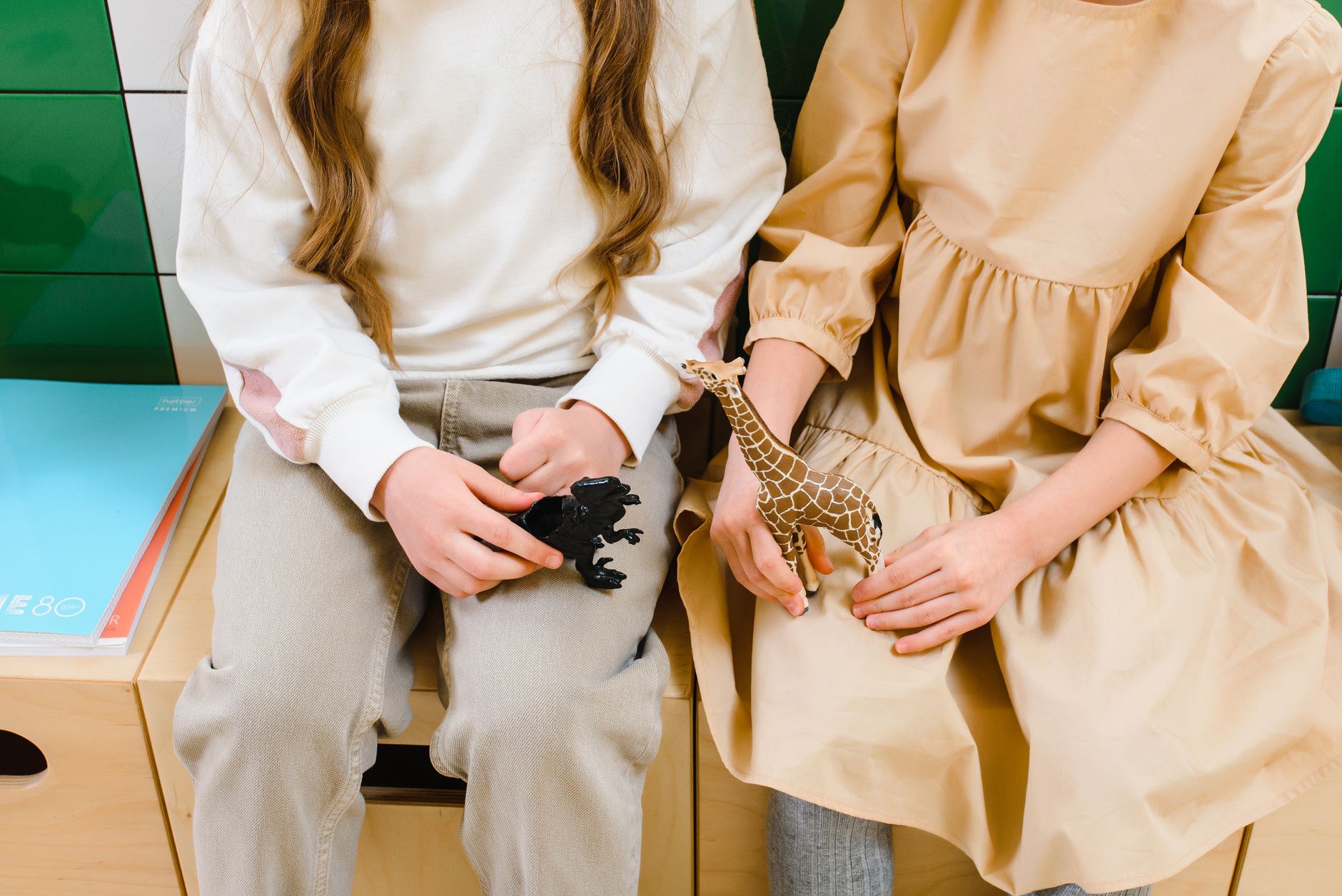
Toys designed for the child’s current developmental stage provide appropriate challenges difficult enough to develop new skills, simple enough to succeed and build confidence. Age-appropriate toys prevent frustration while encouraging growth. As children develop, a toy’s appeal changes. Building blocks that were thrown at age two become architectural tools at age five and creative challenges at age ten. Selecting gifts with this growth potential means they serve the child across multiple developmental stages. The gift that stays relevant and valuable across years represents thoughtful, economical gift-giving.
- Choose gifts that inspire imagination and open-ended play.
- Prioritize quality materials and thoughtful safety considerations.
- Select toys that facilitate connection and shared experiences.
- Invest in gifts with longevity and multi-stage growth potential.
- Balance novelty with simplicity to encourage creativity.
- Match gift complexity to the child’s current developmental stage.
Gift-giving is an opportunity to invest in a child’s happiness, growth, and development. Quality gifts chosen thoughtfully create joyful moments while supporting the child’s journey. The smile on a child’s face when they open the perfect gift represents your care, your attention to what matters, and your desire for their happiness and growth.