

Nurturing Imagination: How Quality Toys Support Child Development Across All Ages
Children learn and develop through play far more effectively than through direct instruction alone. The toys that surround a child during their formative years significantly influence their cognitive, emotional, and physical development. Quality toys serve as tools for exploration, creativity, and skill-building that support the child’s natural drive to understand their world. Parents and caregivers who understand this connection make more thoughtful toy selections that invest in development rather than simply accumulating objects. The right toys become partners in the child’s journey toward confidence, competence, and creative self-expression.
How Play Develops Core Cognitive Skills
Cognitive development accelerates through play experiences that challenge thinking without overwhelming capability. Problem-solving toys develop logical thinking as children figure out how pieces fit together, how systems work, and how to achieve desired outcomes. Memory games strengthen cognitive recall and focus. Building and construction toys teach spatial reasoning and planning skills that transfer to academic learning. Role-playing toys develop language skills as children narrate imaginative scenarios. Each play experience that successfully challenges a child’s thinking builds neural pathways that support future learning. Toys designed with developmental understanding make learning feel like pure play while building foundational cognitive capabilities.
Emotional Development Through Play
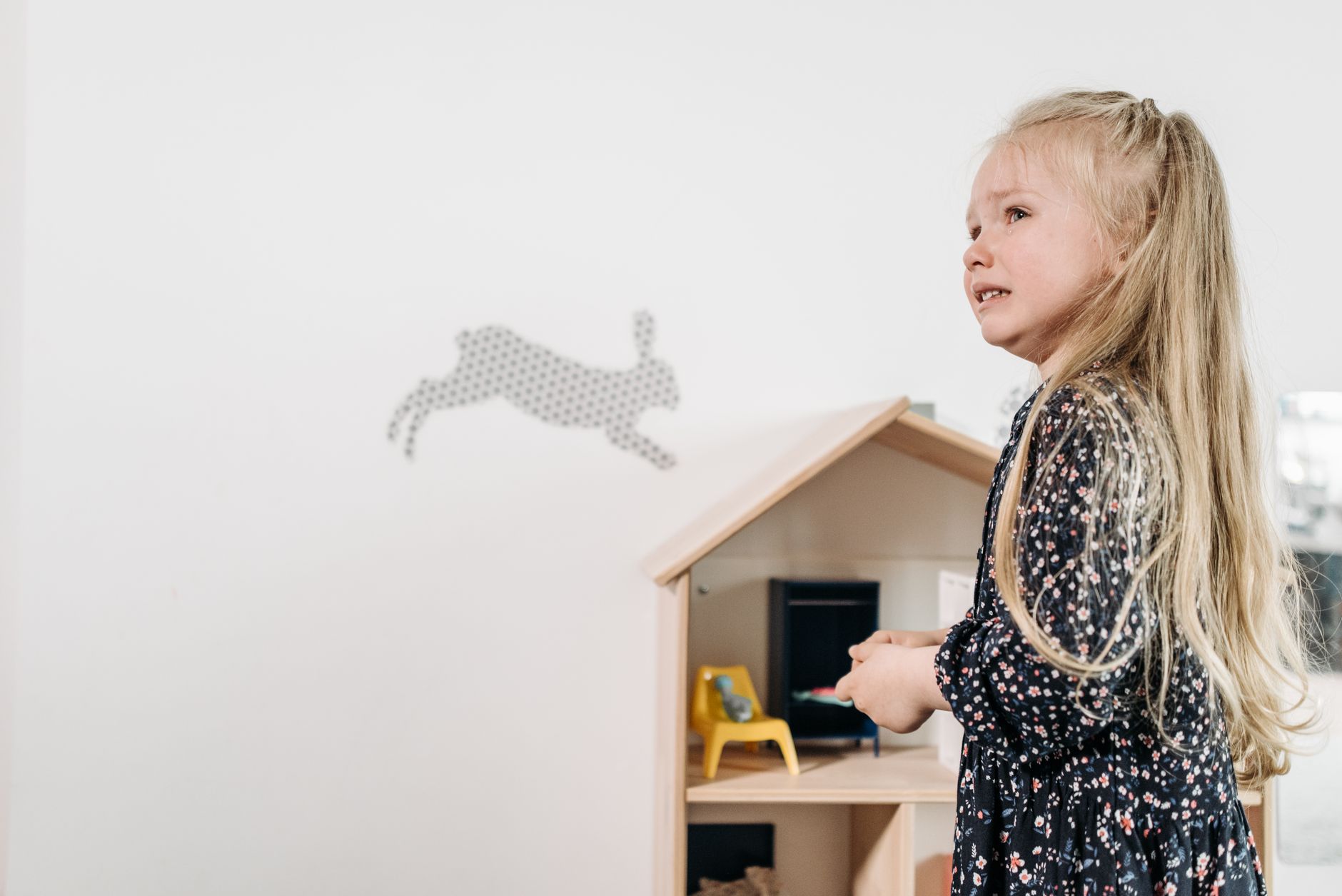
Toys serve as emotional tools that help children process feelings, develop empathy, and build emotional intelligence. When a child enacts scenarios with figurines or dolls, they explore emotions and relationships in a safe context. They can practice emotional responses, experience consequences in pretend situations, and develop understanding of others’ perspectives. Toys that tell stories or encourage emotional expression support the child’s emotional processing. Play with others teaches compromise, empathy, and social problem-solving in real-time. Children who have rich play experiences develop stronger emotional regulation skills and greater capacity for empathy toward others.
Building Confidence Through Mastery
Competence builds confidence, and toys that offer appropriate challenges develop both simultaneously. A puzzle that the child can eventually solve (perhaps with help) teaches persistence and celebrates mastery. Building challenges that the child solves independently create pure joy and confidence. Toys that grow with the child—simple at first, more complex as skills develop—provide continuous mastery opportunities across years. This consistent experience of being capable in play transfers to confidence in academic and social settings. The child who has conquered many toy challenges approaches new situations with the assumption that they can succeed, a self-belief that shapes lifelong learning.
Social Development and Peer Interaction
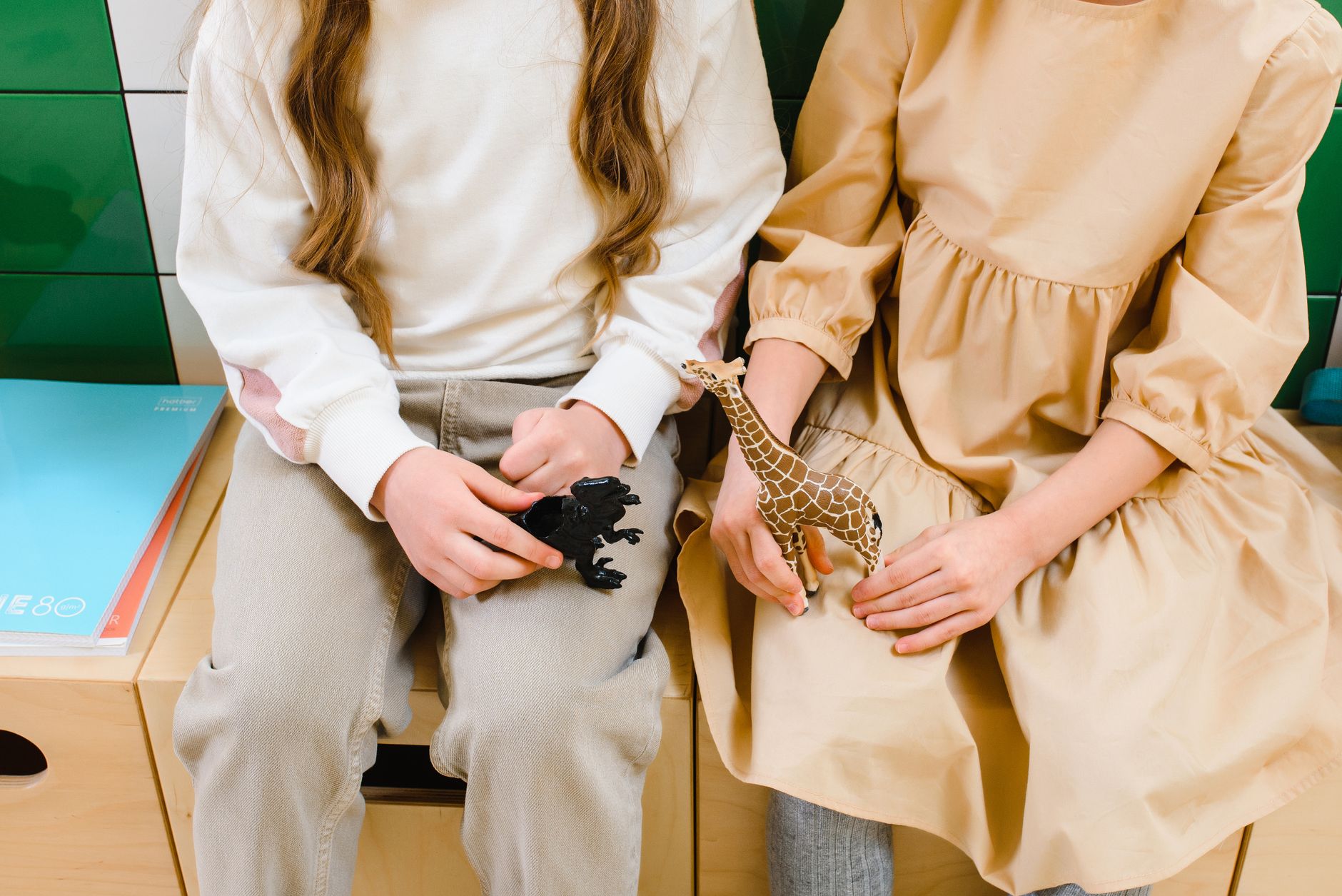
Toys designed for shared play develop social capabilities that isolated play cannot provide. Games with turn-taking teach patience and perspective-taking. Cooperative toys that require multiple children working together develop teamwork and communication. Building projects where siblings or friends collaborate teach negotiation and compromise. Even toys designed for individual play become opportunities for social growth when children play near each other, comparing creations and inspiring each other’s imaginations. Well-designed toys facilitate these social play experiences that develop the interpersonal skills children need throughout their lives.
Physical Development Through Active Play
Toys that encourage movement support physical development and overall health. Balls, jumping toys, and climbing toys build strength and coordination. Fine motor activities like building and art supplies develop the small muscle control needed for writing and other precise tasks. Balance toys challenge proprioception and develop stability. Physical play provides outlets for energy and supports healthy sleep and mood regulation. In an age of increased screen time, toys that encourage active engagement become increasingly valuable for supporting children’s physical health and development. The gifts that get children moving contribute to healthier, more physically capable individuals.
Fostering Creativity and Self-Expression
Open-ended toys that invite creative use support artistic development and creative thinking skills. Art supplies, building materials, and toys that can become anything the child imagines unlock creative potential. These toys communicate that the child’s ideas matter and that their creative output has value. Consistent creative play develops confidence in self-expression that serves children in academic writing, problem-solving, and artistic pursuits. Toys that encourage creation rather than consumption position children as active agents in their play rather than passive observers, strengthening creative capacity that will serve them throughout their lives.
Sustaining Development Through Strategic Toy Selection
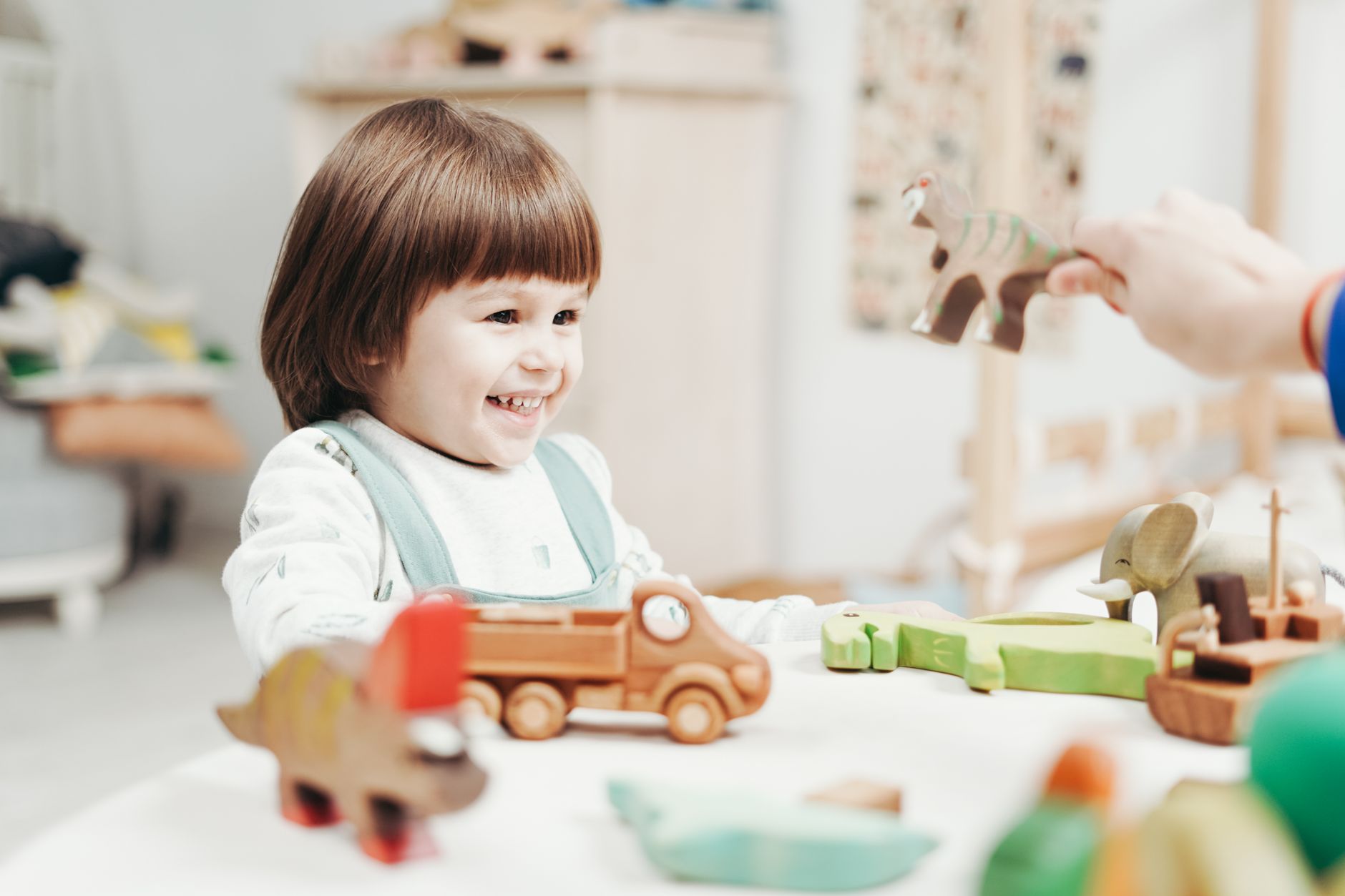
Rather than overwhelming children with excessive toys, thoughtful selection of fewer, higher-quality toys supports development more effectively. Children can engage more deeply with toys they have than with massive collections they barely explore. Quality toys invite varied play approaches and grow with the child’s development, providing new challenges as skills improve. This approach also teaches children to value and care for possessions. A toy collection strategically selected to support development provides more value than random accumulation of items.
- Choose toys that present appropriate challenges for the child’s current development level.
- Prioritize toys that invite imagination and open-ended creative use.
- Select toys that facilitate social interaction and shared play experiences.
- Include toys that support physical development and active engagement.
- Look for toys that develop emotional intelligence and empathy.
- Invest in quality toys that grow with the child across multiple developmental stages.
Every toy selection is an opportunity to support child development. Quality toys chosen strategically become tools for building confidence, developing skills, and nurturing the imagination that defines joyful childhood. The investment in thoughtful toys pays dividends across the child’s growth and learning journey.