Why Ergonomic Workspaces Are Essential for Long-Term Health and Productivity
The modern workplace has undergone a dramatic transformation over the past decade. With remote work becoming mainstream and office jobs becoming increasingly sedentary, the importance of ergonomic workspaces has never been more critical. Spending eight or more hours daily at a desk can take a significant toll on your body, from neck and back pain to wrist strain and eye fatigue. An ergonomic workspace is not a luxury—it is a necessity for maintaining long-term health and achieving sustained productivity.
Understanding Ergonomics and Its Health Impact
Ergonomics is the science of designing your work environment to fit your body and work habits, rather than forcing your body to adapt to poor conditions. When your workspace is properly ergonomic, you reduce unnecessary strain on muscles, joints, and tendons. This preventive approach can save you from chronic pain conditions that might otherwise develop over years of poor posture and repetitive movements.
The consequences of poor workspace ergonomics extend beyond immediate discomfort. Chronic musculoskeletal disorders, including lower back pain, cervical spine issues, and repetitive strain injuries, represent leading causes of work-related disability. Studies consistently show that workers in poorly designed environments experience higher rates of absenteeism and reduced productivity. When you invest in ergonomic solutions, you are essentially investing in your body’s long-term capacity to perform at its best.
The Role of Height-Adjustable Desks in Modern Workspaces
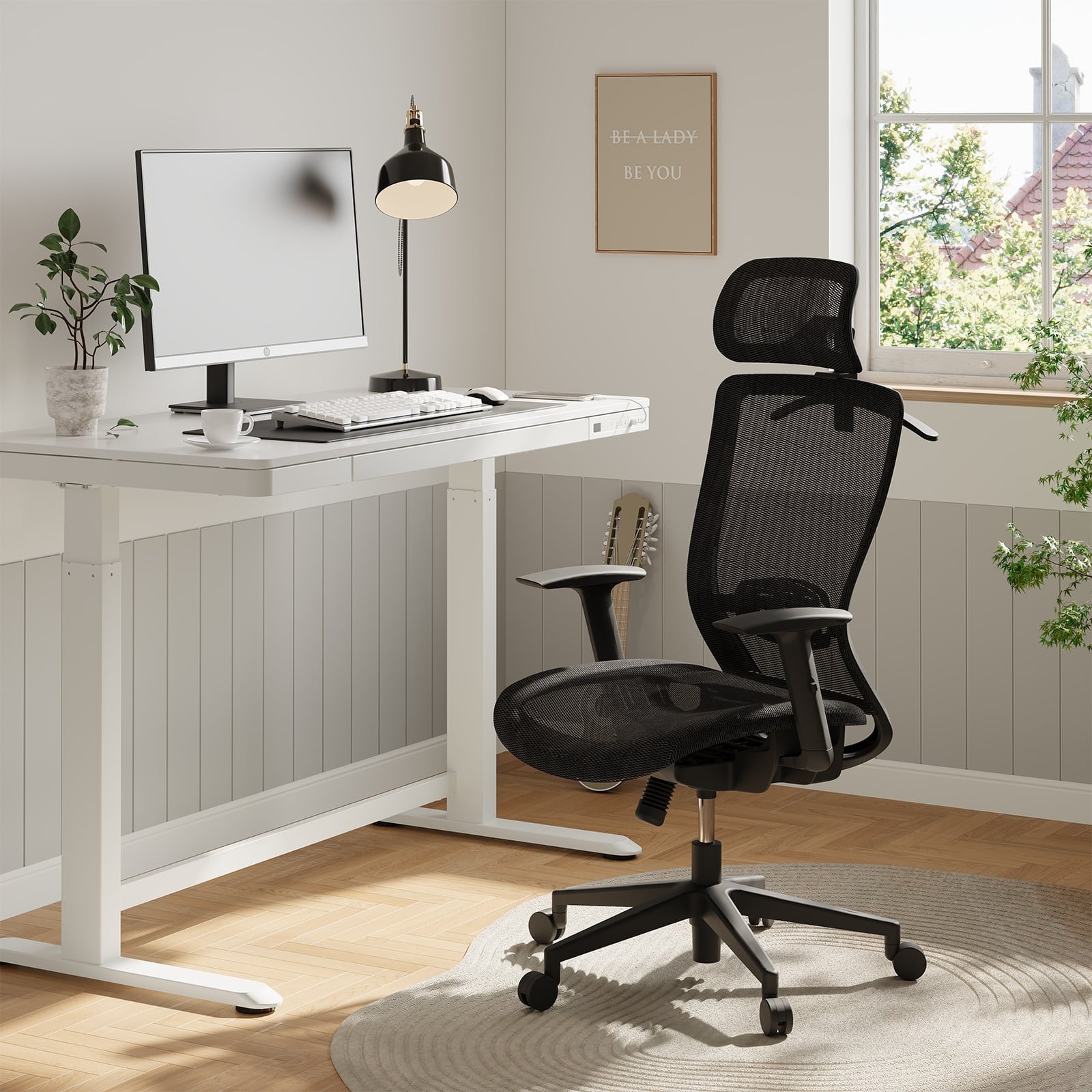
One of the most impactful ergonomic investments you can make is transitioning to a height-adjustable desk. Traditional fixed desks force you into a single posture throughout your workday, which naturally leads to fatigue and strain. Height-adjustable desks allow you to alternate between sitting and standing positions, promoting better circulation, reducing fatigue, and distributing physical stress more evenly across your body.
The ability to change your position throughout the day addresses a fundamental problem: the human body was not designed to remain in a static position for extended periods. By using a height-adjustable desk, you can align your monitor, keyboard, and mouse at the optimal height for your unique frame, reducing neck strain and improving your posture naturally. Research indicates that workers using standing desk options report less back pain and increased energy levels compared to those using traditional fixed desks.
Comprehensive Ergonomic Chair Design for Spinal Support
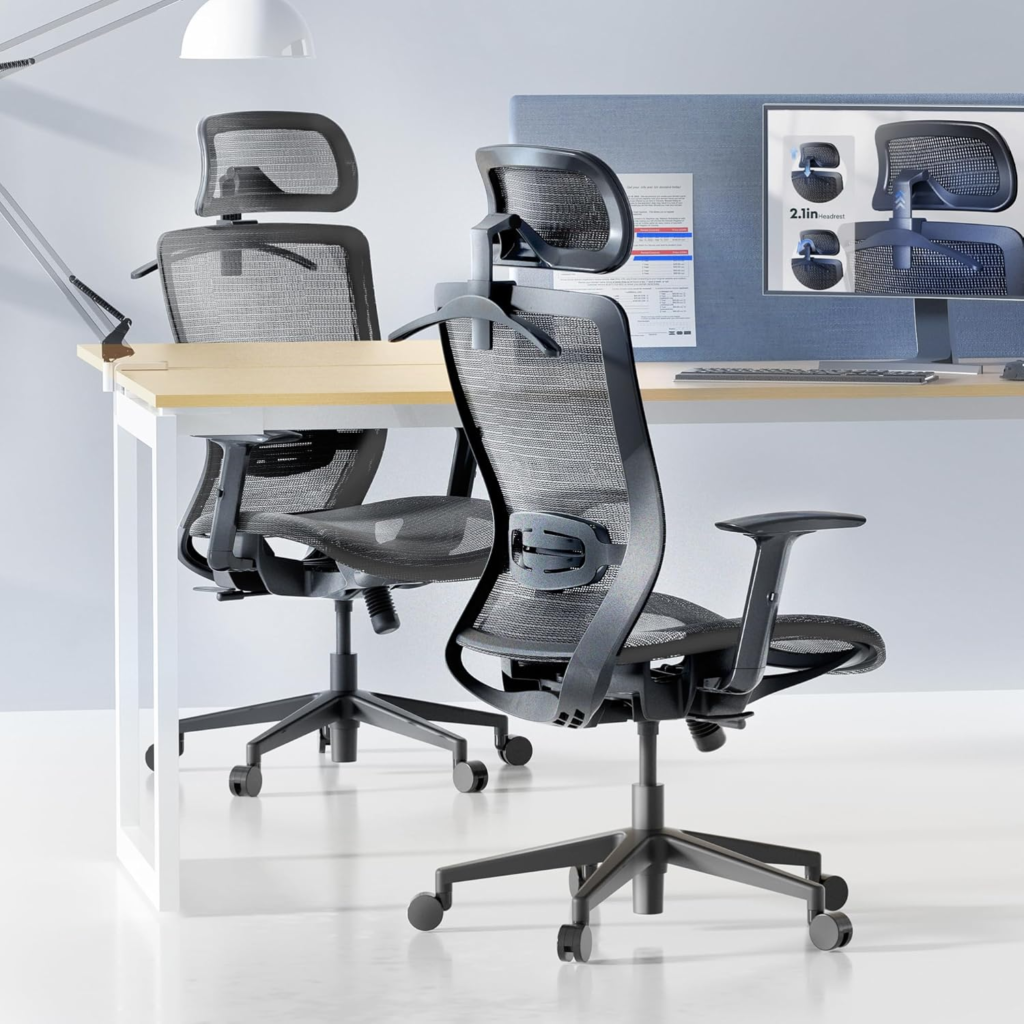
While a height-adjustable desk provides flexibility, an ergonomic chair serves as the foundation of your sitting comfort. A properly designed ergonomic chair supports the natural curves of your spine, maintains neutral posture, and reduces pressure on your lower back. Key features to prioritize include lumbar support, adjustable armrests, and seat depth adjustment.
The chair is where you spend the majority of your workday, making its quality directly proportional to your comfort and health outcomes. A chair with inadequate lumbar support forces your lower back muscles to work harder, leading to fatigue and pain. Adjustable armrests prevent shoulder and neck strain by allowing you to position your arms at the correct height, and proper seat depth ensures your thighs are fully supported without pressure at the back of your knees.
Creating a Complete Wellness-Focused Workspace

True workspace wellness extends beyond individual furniture pieces. Your complete ergonomic setup should include monitor positioning, keyboard and mouse placement, and adequate lighting. Your monitor should be positioned so that the top of the screen is at or slightly below eye level, roughly an arm’s length away. Your keyboard and mouse should be positioned to allow your elbows to rest at approximately ninety degrees.
Proper lighting is equally important—glare and inadequate lighting contribute significantly to eye strain and headaches. When you combine all these elements thoughtfully, you create an environment that actively supports your health rather than working against it. Many modern workspace solutions, including those from leading providers in the ergonomic furniture industry, address all these factors comprehensively.
Long-Term Productivity Gains From Ergonomic Investment
Companies that prioritize workspace ergonomics consistently report improved employee satisfaction and reduced turnover. Employees who experience physical discomfort are distracted, fatigued, and less able to concentrate on demanding mental tasks. Conversely, employees in comfortable, well-designed workspaces report higher job satisfaction, increased focus, and better overall performance.
The financial case for ergonomic workspaces is equally compelling. While quality ergonomic furniture requires upfront investment, the return comes through reduced healthcare costs, fewer sick days, and improved employee retention. Productivity gains alone often justify the investment within months. When you consider the long-term health benefits, the decision becomes even clearer—ergonomic workspaces are investments that pay dividends in both health and professional success.
Taking Action Today for Tomorrow’s Health
The time to prioritize workspace ergonomics is now. Your future self will thank you for the decisions you make today about your work environment. Whether you are setting up a home office or redesigning your workplace, start by assessing your current setup. Are your monitor, keyboard, and mouse positioned correctly? Does your chair provide adequate lumbar support? Can you adjust your desk height throughout the day? Addressing these questions systematically ensures you create a workspace that supports your long-term health and productivity goals.